





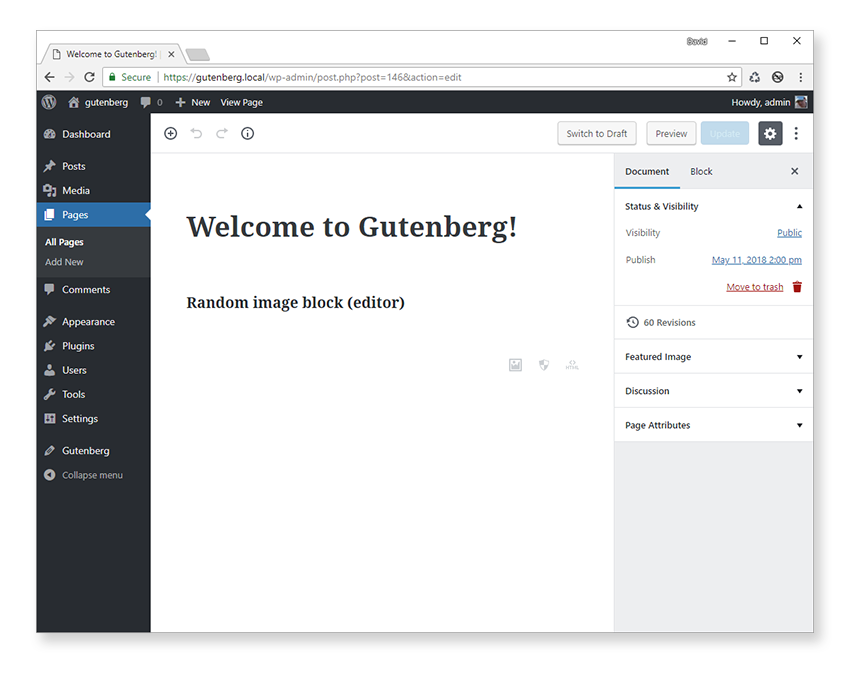
ElementorA front-end visual editing model is used, with all changes visible in real time. This architecture is based onjQueryGutenberg, as the core WordPress editor, is built on React and Redux, and deeply integrates with the WordPress core.API, lighter in size but slightly less scalable.
Performance test data shows that Gutenberg page loads 231 TP3T faster in the base configuration, but Elementor saves about 401 TP3T in complex layout design.The difference in memory usage between the two editors in Chrome is about 15-20 MB.

Design Freedom Comparison
Elementor offers over 90 base widgets and 300+ templates to support:
- Pixel-level positioning control
- Custom CSS Injection
- Global Style System
- Dynamic Content Binding
Gutenberg usesThe block concept, the main advantage is:
- Standardization of core content blocks
- Reusable Block Management
- Pattern Template Library
- Full site editor support
Creative design projects take Elementor an average of 351 TP3T less time to complete the same page design, but Gutenberg generates cleaner code and SEO base scores are typically 10-151 TP3T higher.
Theme Compatibility Analysis
WordPress Themes Market Data 2024 shows:
- Theme support for Gutenberg on 98%
- 82% Subject Statement Elementor Compatible
- Header themes such as Astra, GeneratePress are deeply optimized for both
Elementor-specific themes such asHello ThemeOptimized for editors, package size reduced by 60%. gutenberg with block themes likeTwenty Twenty-FourThe fit is up to 100% and supports site global style management.
Expanding the ecosystem
Elementor ProProvides more than 50 professional components, there are 1000+ third-party plug-ins on the market to extend its functions. The common problem lies in the conflict rate between plug-ins is about 12%, which requires professional technical troubleshooting.
Gutenberg's plugin ecosystem is young but growing rapidly, and the core block library already contains 30+ standard blocks. Quality extensions such asKadence BlocksThe annual growth in downloads amounted to 2001 TP3T, and the conflict rate was kept below 51 TP3T.

Learning curve assessment
Novice user research shows:
- Gutenberg Basic Functionality Mastery Takes an Average of 3 Hours
- Getting Started with Elementor takes about 6 hours
- Proficiency in Elementor's advanced features typically takes 20+ hours
- Gutenberg Professional Development Learning Curve of 50+ Hours
Data from the education platform shows that Elementor's visual manipulation attracts 751 TP3T of non-technical users, while Gutenberg is more popular with the developer community at 621 TP3T.
Multi-language support capability
Elementor's built-in translation system supports 120+ languages, but additional plug-ins are required for dynamic content translation. 15% style compatibility issues exist with RTL language layouts.
Gutenberg integrationWPMLWaiting for the translation plugin after the better results, block content translation integrity of 98%.

Maintenance and renewal impact
Version update statistics:
- Elementor releases an average of 1 feature update per month
- Gutenberg Follows the Rhythm of WordPress Core Updates
- Probability of major updates causing Elementor compatibility issues is about 8%
- Gutenberg block failure rate below 3%
An analysis of long-term maintenance costs shows that the Elementor site requires an average of 12 hours of dedicated maintenance per year, and the Gutenberg site about 7 hours.
E-commerce Adaptation
WooCommerce IntegrationTesting:
- Elementor offers 40+ e-commerce-specific parts
- Gutenberg has 15 core e-commerce blocks
- Product showcase page build speed Elementor Fast 25%
- Checkout process customization Gutenberg code is more streamlined
Data from the large mall project shows that the Elementor-produced store converts at a high rate of 81 TP3T, but the Gutenberg-built store loads 181 TP3T faster.
Future development path
The technology roadmap shows:
- ElementorAI-assisted design features will be enhanced
- Gutenberg focuses on improving site-wide editing experience
- Both are optimizing editing capabilities for mobile
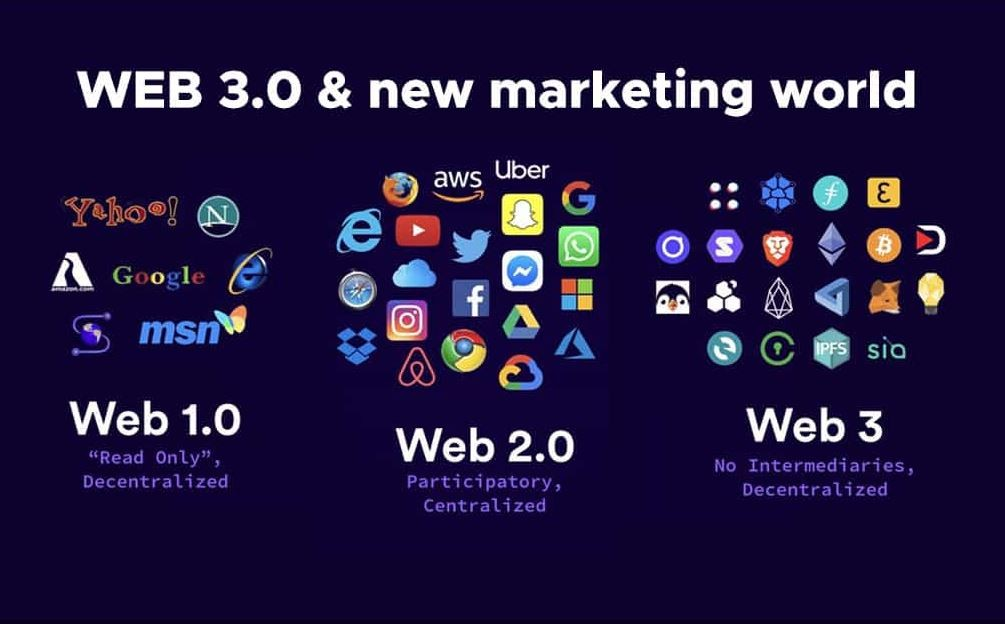
- Elementor moves faster on Web 3.0 integration
Industry experts predict that the functional overlap between the two may reach 70% by 2026, but core positioning differences will remain.
Selection Reference Guide
Select the Elementor case:
- Need to quickly realize complex designs
- Lack of coding skills in the team
- Tight project cycle
- Budget allows for the purchase of the Professional Edition
Select the Gutenberg case:
- Pursuing long-term stability
- Deep WordPress integration required
- Technical team with React capabilities
- Focus on core performance metrics
The mixed-use solution proved effective in the case of 30%, with key pages built with Elementor and regular content managed with Gutenberg. This model saves an average of 22% in operating costs.

Link to this article:https://www.361sale.com/en/53434The article is copyrighted and must be reproduced with attribution.









![Emoji[wozuimei]-Photonflux.com | Professional WordPress repair service, worldwide, rapid response](https://www.361sale.com/wp-content/themes/zibll/img/smilies/wozuimei.gif)

![Emoticon[baoquan] - Photon Wave Network | Professional WordPress Repair Services, Worldwide Coverage, Rapid Response](https://www.361sale.com/wp-content/themes/zibll/img/smilies/baoquan.gif)


 简体中文
简体中文  English
  日本語
日本語  Français
  Español


No comments