






Elementor Container Instead of the traditional Section and Column, this container model based on CSS Grid and Flexbox provides a more flexible web page layout, creating ideal conditions for dynamic content display.
The core advantage of Container is its nesting capability. A main container can be nested within an unlimited number of sub-containers, forming a complex layout structure without affecting code cleanliness. This feature is particularly suitable for displaying dynamically generated content, such as product listings, blog posts, or user profiles.

dynamic contentRole in Website Personalization
dynamic contentRefers to content elements that change automatically based on specific conditions, common types include user geographic location, time of visit, historical behavior, or real-time data from a database. This type of content enables a website to provide a unique browsing experience for each visitor.
In an e-commerce environment, dynamic content may manifest itself asPersonalized Product Recommendations. The system, based on the user's browsing history or purchase history, automaticallyShow related products. News sites, on the other hand, may adjust the ordering of headlines based on reader interest.
Membership sites often use dynamic content to differentiate user permissions. Paid members see full articles, free users can only view summaries. All of these scenarios can be visualized with theElementor ProEfficient realization.
Configuring the Elementor Container to Receive Dynamic Data
The first step in implementing dynamic content display is to properly configure the Container's data source.Elementor Pro supports a variety of data connection methods, the most commonly used being WordPress native custom fields and theAdvanced Custom Fields Plugin(ACF).
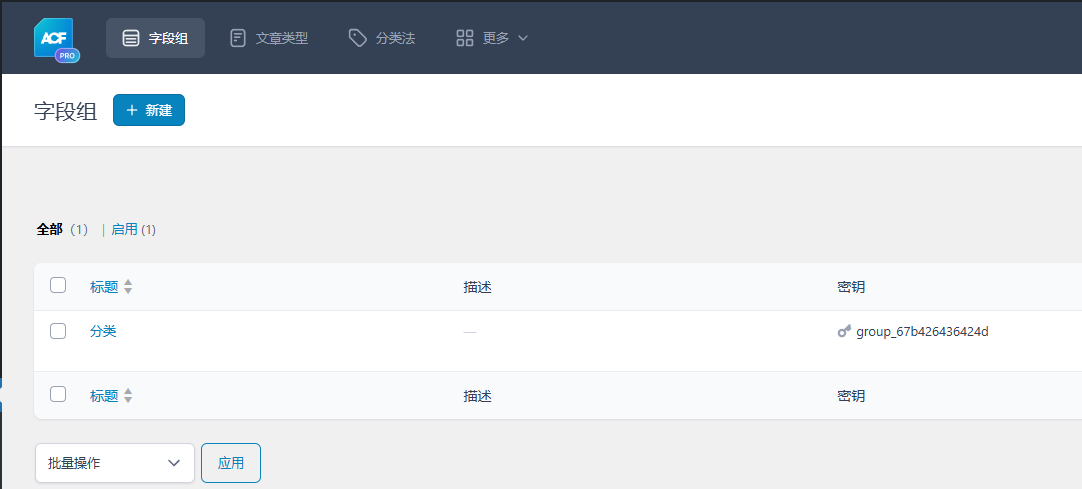
To create a dynamic link you need to go to the Container's settings panel and find the Content Source option. Here you can choose to connect to article metadata, user information or custom database fields. For example, the product price can be bound to theWooCommerceof the price field for real-time updates.
The settings for motion pictures are slightly different. In the media selection screen, enabledynamic labelingfeature and then select the appropriate image source. Product galleries can use WooCommerce gallery fields, and author avatars can be bound to user profile images.
![图片[3]-Elementor 的 Container与动态内容整合指南:实现网站个性化展示](https://www.361sale.com/wp-content/uploads/2025/05/20250517175937413-image.png)
Designed to accommodate dynamic contentopening (chess jargon)framework
The variable nature of dynamic content requires that the layout be flexible enough.FlexLayout mode is particularly suited to this situation, as it allows content items to be automatically repositioned and spaced according to their number.
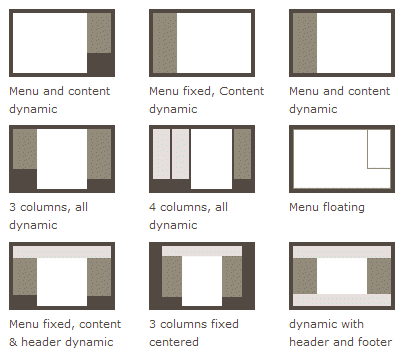
Grid layouts are another ideal option. Setting fixed column widths and automatic row heights ensures that new content items automatically flow into the right place. For example, a news site with a 3-column grid for article listings will automatically have newly published articles appear in the first vacant row.
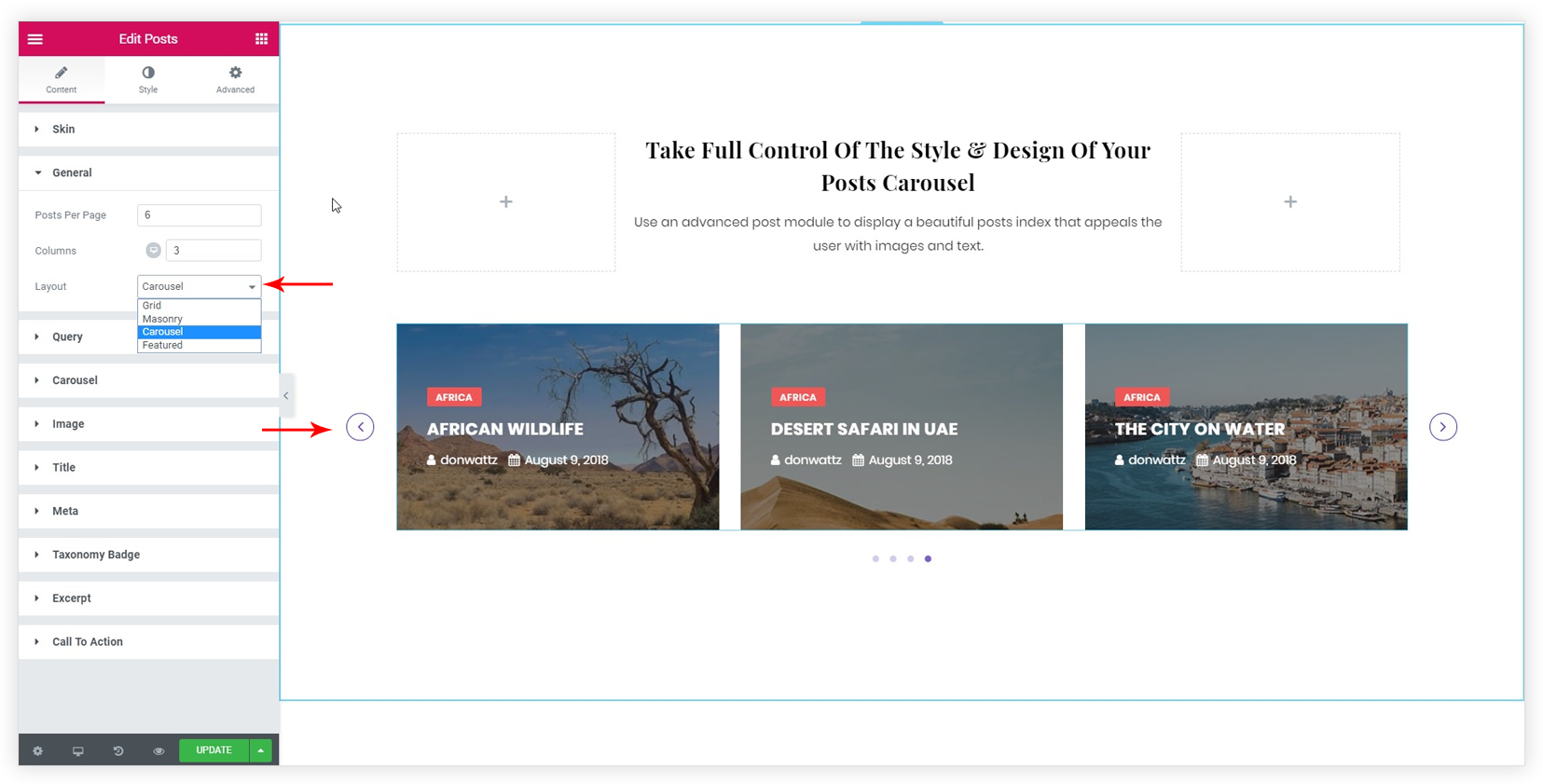
content overflowThe situation must be considered in advance. When dynamically generated items exceed the Container's capacity, you can set up automatic paging or scroll loading.Elementor Pro's Posts Widget supports these features natively, but using the Container requires additional configuration of custom queries.
Implementation of Conditional Display Logic
Elementor ProThe built-in Display Conditions feature controls Container visibility based on a variety of criteria. These conditions include user role, device type, date and time, and more.
More complex conditional logic requires the use of third-party plug-ins.Dynamic Content for ElementorExtensions such as provide display rules based on URL parameters, cookie values or user behavior. For example, show discount banners only to users who have items in their shopping cart.
Progressive loading of dynamic content is also important. The Intersection Observer API makes it possible to load content only when scrolling to the viewport.lazy loading (computing)effect, which is important for the performance of pages containing a large number of dynamic elements.
System Integration for Personalized Content Recommendation
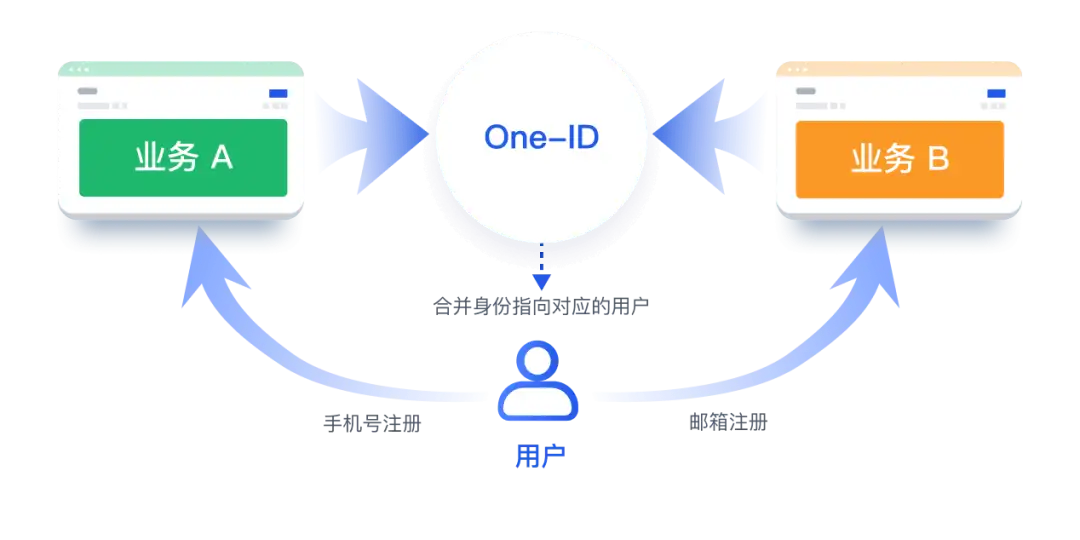
Achieving truly personalized recommendations requires connecting the Elementor Container to data analytics tools.Google Analytics audience data can be used through theAPIAccess for customizing home page content.
Machine learning recommendation systems such as TensorFlow.js can run directly on the browser side, analyzing user behavior and adjusting the display in real time. This solution is complex but provides the most accurate recommendations.
The easy alternative is to use cookies to record user behavior. For example, record the most recently viewed product categories and prioritize the display of similar products on the next visit. This solution can be implemented entirely in Elementor with custom code.
Practical case: personalized home page for e-commerce website
A practical application is the personalization of the home page of an e-commerce website. The top banner area uses Container to display promotional information based on the user's location, with data from the IP geolocation API.
The product recommendation area is divided into three dynamic containers: "Based on Browsing History", "Similar Customers Buying" and "Limited Time Offers". Each container connects to a different data source and uses a different layout style to maintain visual differentiation.
Cart SummaryContainer is fixed to thea side-bar (in software), displays the current item quantity and total price in real time. This element uses WebSocket to maintain a constant connection to the server, ensuring instant updates.

Best Practices for Testing and Iteration
Dynamic content sites require a more rigorous testing process. Multi-account simulation tools can check that the interface seen by different user roles is correct.
A/B testing frameworks such as Google Optimize need to be integrated with Elementor Pro to compare the conversion rates of different content layouts. Test results directly guide Container structure adjustment.
Heatmap analysis tools record how users interact with dynamic elements. This data reveals which personalized content is really grabbing attention and which are being ignored and need to be optimized.
Technology Stack Expansion Recommendations
For enterprise websites that need to handle complex dynamic content, it is recommended to extend the technology stack.Headless WordPreThe ss architecture separates front-end presentation and content management to improve flexibility.
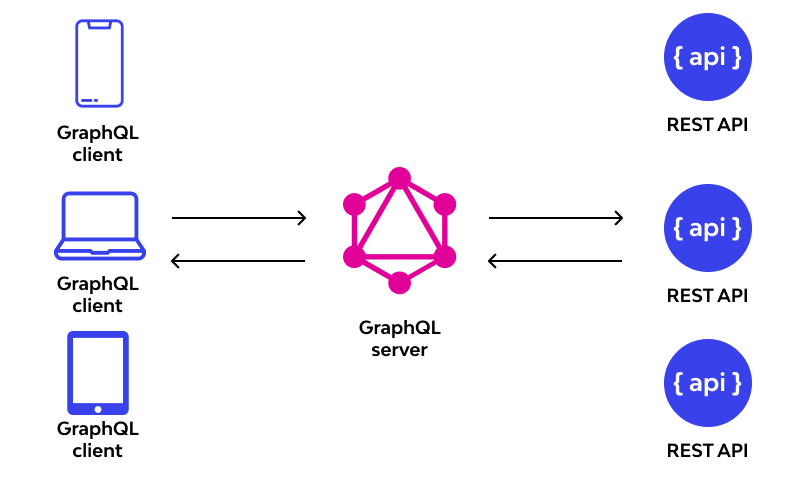
The GraphQL API is better suited to dynamic content scenarios than traditional REST because it allows for precise querying of required fields and reduces the amount of data transfer.Elementor can be integrated with GraphQL plugins.
Real-time databases such as Firebase are suitable for dynamic content with high frequency updates. Elements of chat applications or live auction sites can be embedded directly into the Elementor Container.
Security and Data Privacy Considerations
Dynamic content websites must pay particular attention to privacy regulations such as the GDPR. All collection of user data requires explicit notification and consent.
Data encryption is a basic requirement. HTTPS must be used for transmitting dynamic content, and personalized information stored in databases should be encrypted.
Access control is equally critical. Ensure that dynamic content systems do not accidentally reveal sensitive information, such as user IDs through URL parameters.
Future Development Trends
The integration of AI content generation with Elementor is noteworthy. the GPT class model can generate personalized copy in real time and inject it directly into the Container display.
Advances in edge computing will enable more personalization logic to be done at CDN nodes, dramatically improving the responsiveness of dynamic content, which is particularly beneficial to global sites.

Link to this article:https://www.361sale.com/en/53643/The article is copyrighted and must be reproduced with attribution.

















![表情[wozuimei]-光子波动网 | WordPress教程、Elementor教程与故障修复](https://www.361sale.com/wp-content/themes/zibll/img/smilies/wozuimei.gif)

![表情[baoquan]-光子波动网 | WordPress教程、Elementor教程与故障修复](https://www.361sale.com/wp-content/themes/zibll/img/smilies/baoquan.gif)


 简体中文
简体中文  English


No comments