





Many users are using the WPML plugin to build WordPress MultilingualWhen you have a website, you will wonder whether to choose automatic translation or manual translation. The former is efficient and suitable for rapid deployment; the latter is delicate and focuses on the quality of expression. The translation method will directly affect the quality of the website content, the speed of launch and the operating costs. So which one is better for your website? In this article, we will compare them from the perspectives of function difference, cost, usage scenarios, etc., and help you make a wise choice.
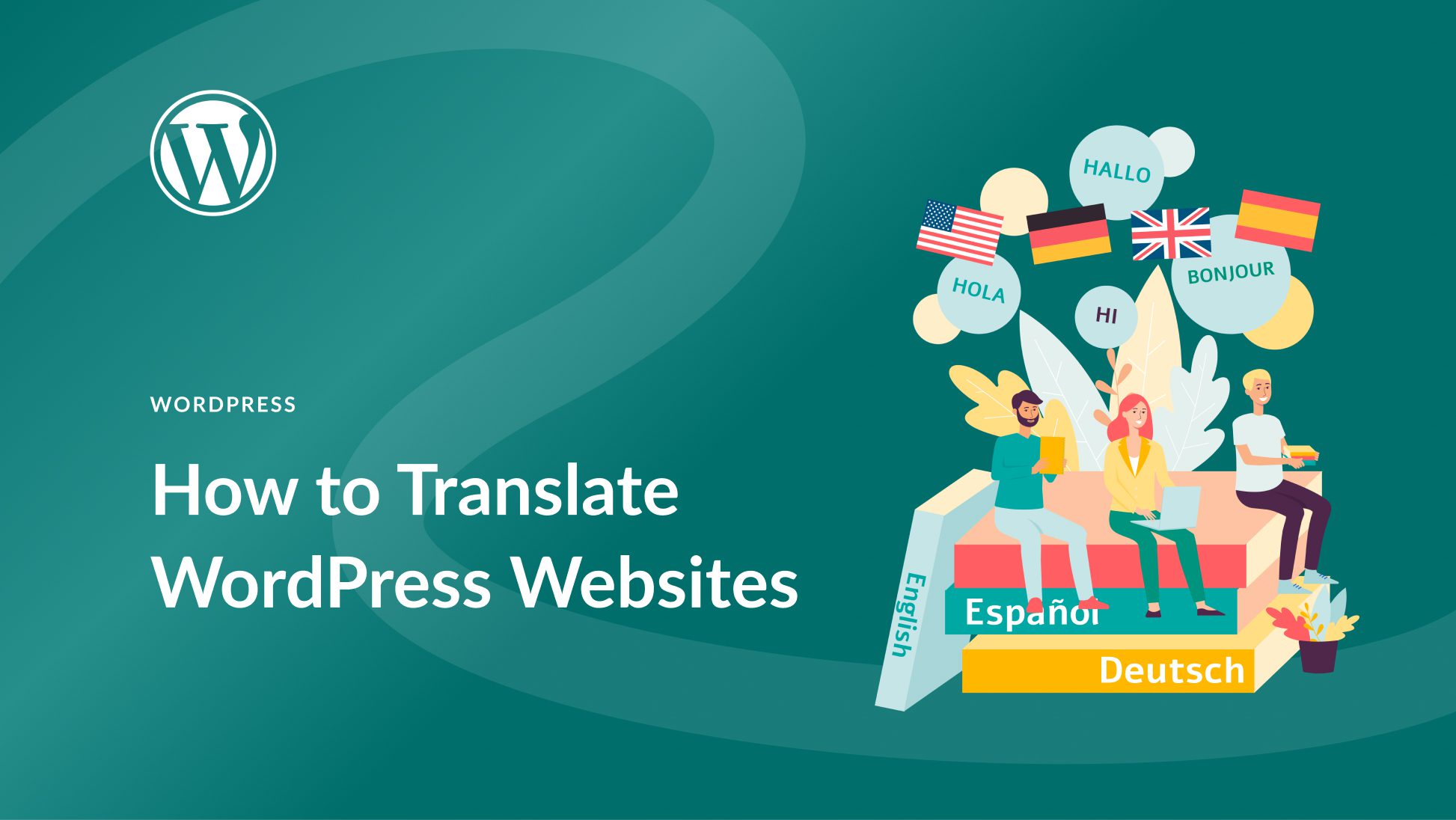
I. Differences between automatic and manual translation
WPML The automatic translation feature relies on machine translation engines such as DeepL, Google Translate and Microsoft Translator. Users can enable "Translate Everything" mode to let the system automatically translateArticles, Pages, Productsetc. This feature involves a fee, and WPML consumes a quota based on the number of words translated, beyond which an additional purchase is required.
![Image[2]-WPML automatic translation and manual translation how to choose? Functional differences and applicable scenarios full comparison](https://www.361sale.com/wp-content/uploads/2025/07/20250728112703765-image.png)
Manual translation, on the other hand, is done by the webmaster, editor or translator entering the translation line by line, which can be done using the WPML Translation Editor or the Classic Editor. There is no extra charge for this method, as long asbuyingThe WPML plugin is available now.
![Image[3]-WPML automatic translation and manual translation how to choose? Functional differences and applicable scenarios full comparison](https://www.361sale.com/wp-content/uploads/2025/07/20250728113827517-image.png)
II. Differences in terms of cost, efficiency and quality
automatic translationThe biggest advantage of this is the speed. Suitable forHigh number of pages and frequent updatessites, such as news blogs or directory sites. However, machine translation is prone to semantic errors, especially when it comes to industry terminology, branding expressions and other content. WPML offers some free credits for initial use, but in the long run it will be a paid model.
Manual translation is less efficient, but it ensures language quality and consistent intonation, and is particularly suitable for pages that require a high degree of precision in expression, such asService description, product details, checkout processetc. If the content structure of the site is simpler, manual translation is not only safer, but also maintains a sense of brand professionalism.
![Image[4]-WPML automatic translation and manual translation how to choose? Functional differences and applicable scenarios full comparison](https://www.361sale.com/wp-content/uploads/2025/07/20250728134014390-image.png)
Third, the different types of websites suitable for the choice
For HopeQuickly go live with multilingual contentof the website, automatic translation is a good choice. Especially for websites that are just starting out, you can start by generating batchpolyglotpage and optimize the details at a later stage. For exampleTravel information, technology blogand other content, readers are more tolerant of language, and machine translation meets basic needs.
Websites like medical, financial, legal, and e-commerce are more suitable for using manual translation. Users in these industries usually need toClear and precise information, rather than a rough meaning. In particular.Pages involving user actions(e.g., checkout, enrollment, refund policies), which can be misleading or even costly if not translated properly.
![Image[5]-WPML automatic translation and manual translation how to choose? Functional differences and applicable scenarios full comparison](https://www.361sale.com/wp-content/uploads/2025/07/20250728135142824-image.png)
Fourth, is a mixed strategy more cost-effective?
WPML Support for mixed mode: you can use automatic translation to generate content first, and then manually modify important pages. This approach balances efficiency and quality and is suitable forMore content but limited resourcesof the site. But again, this involves the consumption of translation credits and is still part of the paid features.
If one wishes to achieve a higher level of linguistic consistency for the entire website and does not want to manually translate each page from scratch, then "Automatic Translation + Review and Touch-up"One of the most cost-effective strategies.
![Image[6]-WPML automatic translation and manual translation how to choose? Functional differences and applicable scenarios full comparison](https://www.361sale.com/wp-content/uploads/2025/07/20250728135700109-image.png)
V. Summary
If you're looking for efficiency and a large volume of content, automated translations can go live quickly in multiple languages, but be aware that this is a paid feature that is billed per word. If you're more interested in quality of expression and brand consistency, manual translation is more robust and suitable for key pages. Ideally, you should use a mix of manual translations for important pages and automated translations for the rest of the content, striking a balance between efficiency and quality.

Link to this article:https://www.361sale.com/en/70457The article is copyrighted and must be reproduced with attribution.









![Emoji[wozuimei]-Photonflux.com | Professional WordPress repair service, worldwide, rapid response](https://www.361sale.com/wp-content/themes/zibll/img/smilies/wozuimei.gif)

![Emoticon[baoquan] - Photon Wave Network | Professional WordPress Repair Services, Worldwide Coverage, Rapid Response](https://www.361sale.com/wp-content/themes/zibll/img/smilies/baoquan.gif)


 简体中文
简体中文  English
  日本語
日本語  Français
  Español


No comments