





Most WordPress users, in fact, are not very understanding of how to do WordPress SEO, today we photon team to share an article from Semrush (which adds our own experience in doing SEO), basically covers the regular WordPress SEO steps, although the article with pictures is in English, and some of the content is also for the English site! However, the principles and logic of SEO are the same! Which introduced to Semrush features and plug-ins, not necessarily suitable for Chinese sites, you can test yourself.
WordPress is currently the world's most popular content management system (CMS), which is not only free and open source, but also very friendly to search engine optimization (SEO).
However, just using WordPress doesn't mean that your website will automatically rank high on Google. For this to happen, you also need to follow SEO best practices and provide valuable content to your visitors.
To help you optimize your WordPress website for SEO, here are 28 key steps to help you boost your website rankings.
![Image[1]-Enhance WordPress Website Ranking: 28 Key SEO Optimization Steps Explained - Photon Fluctuation Network | Professional WordPress repair service, global coverage, fast response](https://www.361sale.com/wp-content/uploads/2024/04/image-155-1024x525.png)
1. Choose a quality server provider
When choosing a server, your decision will have a direct impact on the speed, time online and security of your website, all of which are crucial factors for SEO. Therefore, choosing a suitable hosting service is a very crucial first step.
If your current server is less than ideal, remember that you can always switch to a better server provider, and many of the top server companies will help you migrate your website with ease.
When choosing a server, it is important to consider the following points:
- Stable online: Even the best servers have occasional downtime, but if your website is often inaccessible, it can take a toll on your reputation and business.
- WordPress friendly: Hosting services need to be compatible with WordPress. Many good hosting services offer programs specifically for WordPress.
- Free SSL certificates: Free SSL certificates are essential for encrypting websites and enabling HTTPS secure access.
- Server Location: Choose a server location based on where your target customers are located. If your customers are primarily domestic, choose a domestic service such as Tencent Cloud or Aliyun. If you're targeting an international market, consider an international hosting company such as SiteGround and choose a server based on the location of your primary customer base to ensure website loading speeds.
- Quality customer support: Efficient and helpful customer service support can make everything easier.
The right server can provide a solid foundation for your website, allowing you to focus on other SEO optimization efforts.
2. Use SEO-friendly WordPress Themes
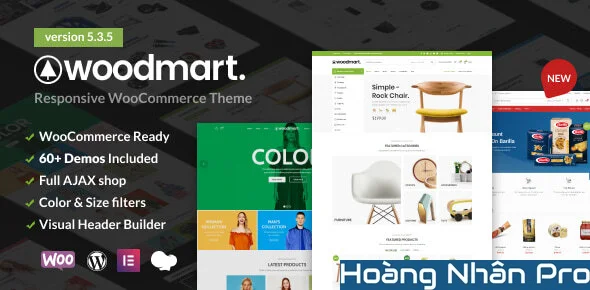
After installing WordPress, a theme called "Twenty Twenty-Something" is enabled by default. However, in order to make your website more personalized, you'll definitely want to look at other different theme options.
When choosing a theme, remember to look for ones that are lightweight and fast, as the speed of the site is very crucial for SEO.
exist The official WordPress theme repositoryYou can find thousands of free themes and many more paid premium themes to choose from.
![Image[2]-Enhance WordPress Website Ranking: 28 Key SEO Optimization Steps Explained - Photon Flux | Professional WordPress repair service, worldwide, fast response](https://www.361sale.com/wp-content/uploads/2024/04/image-38.png)
To pick out the top performing themes, you can do this:
- Find the theme's demo site (they usually provide a link on the theme's official page).
- Copy and paste the URL into the Google Page Speed Insights tool and run the test.
- If the score is above 90, then congratulations, the theme is lightweight and performs excellently!
![Image[3]-Enhance WordPress Website Ranking: 28 Key SEO Optimization Steps Explained - Photon Flux | Professional WordPress repair service, worldwide, fast response](https://www.361sale.com/wp-content/uploads/2024/04/image-39.png)
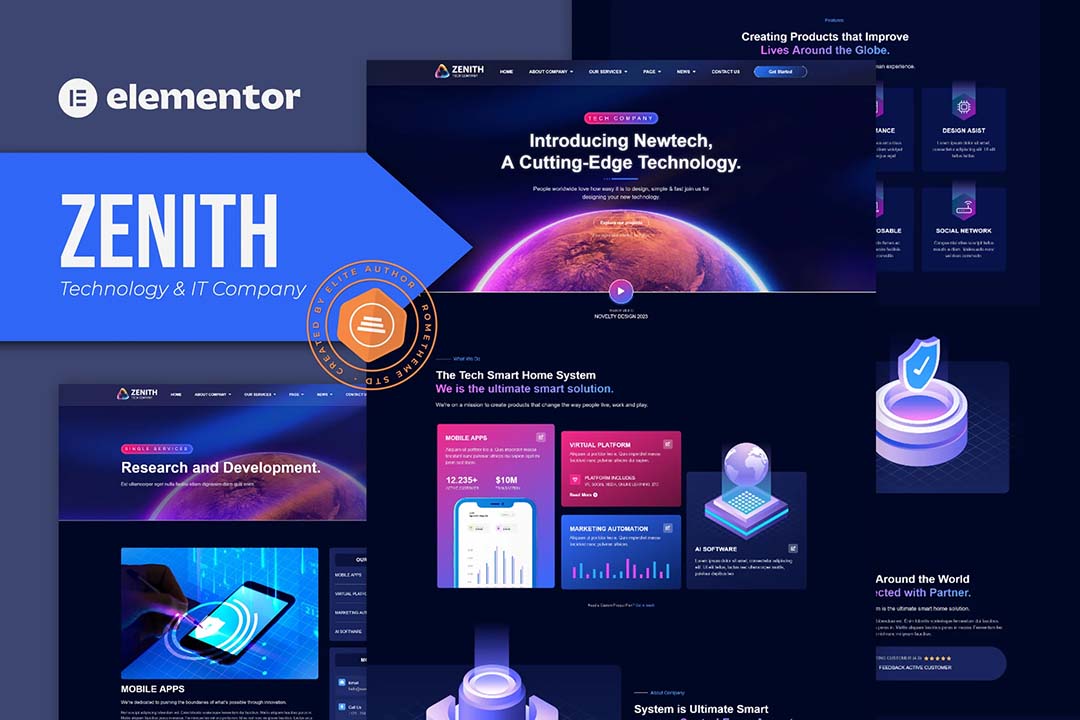
While WordPress provides an official Gutenberg editor, many users favor third-party page builders such as Elementor, Beaver Builder, or tools like Divi. These builders offer a lot of convenience and power, but they can also slow down your site. Therefore, it's a good idea to do some performance testing before deciding to use one.
3. Make sure your site is indexable
To ensure that Google and other search engines can find and display your site, you need to make your site indexable.
This requires you to check the settings of your website. Go to "set up">"read", and make sure that at the bottom of the page there is an option called "Search Engine Visibility" and that this option is not checked.
![Image[4]-Enhance WordPress Website Ranking: 28 Key SEO Optimization Steps Explained - Photon Flux | Professional WordPress repair service, worldwide, fast response](https://www.361sale.com/wp-content/uploads/2024/04/image-40.png)
During the website development phase, developers may check an option to prevent search engines from indexing the website. This option is located in Settings > Reading and is called Search Engine Visibility.
If your website is ready to be made available to the public and you want to appear in search engines like Google.Make sure this option is uncheckedThe
Tip:If you are developing a website, you can temporarily check this option to hide your website. Just don't forget to uncheck this option once the site is ready to go live.
4. Setting up the SSL certificate
Ensuring that your website is running over a secure HTTPS connection is a must, not only is HTTPS a key factor in improving your website's search rankings in Google, but it also ensures that your website is marked as "secure" in browsers.
If you don't use HTTPS, browsers may mark your site as "insecure", which isn't good for user trust or site visits.
![Image[5]-Enhance WordPress Website Ranking: 28 Key SEO Optimization Steps Explained - Photon Fluctuation Network | Professional WordPress repair service, global coverage, quick response](https://www.361sale.com/wp-content/uploads/2024/04/image-41.png)
In order to secure your website data, you need to encrypt your website connection with an SSL (Secure Socket Layer) certificate. The process is actually fairly simple and proceeds as follows:
- First, log into your control panel (e.g. Pagoda).
- In the control panel to find the "SSL certificate" option and then click; will pop up an option box, find SSL, click Let's Encrypt, click on the application, the application is successful, save can be remembered here must be checked on the mandatory HTTPS.
- Pagoda offers a free SSL certificate, usually Let's Encrypt, find it and follow the instructions to install it.
In this way, your website is encrypted, providing a more secure browsing experience for you and your visitors.
Here are the settings in the Pagoda panel:
![Image[6]-Enhance WordPress Website Ranking: 28 Key SEO Optimization Steps Explained - Photon Fluctuation Network | Professional WordPress repair service, worldwide, quick response](https://www.361sale.com/wp-content/uploads/2024/04/image-42-1024x467.png)
![Image[7]-Enhance WordPress Website Ranking: 28 Key SEO Optimization Steps Explained - Photon Fluctuation Network | Professional WordPress repair service, global coverage, quick response](https://www.361sale.com/wp-content/uploads/2024/04/2024040411193781.jpg)
An easy way to get your WordPress site to use SSL certificates correctly is to install the Really Simple SSL plugin. Follow these steps:
- In the WordPress control panel menu on the left, click on "Plugins".
- Click "Add New" and type "Really Simple SSL" in the search box.
- Once you have found the Really Simple SSL plugin, click "Install Now".
This way, you can easily ensure that your website is using SSL certificates and increase your website security.
![Image[8]-Enhance WordPress Website Ranking: 28 Key SEO Optimization Steps Explained - Photon Fluctuation Network | Professional WordPress repair service, global coverage, quick response](https://www.361sale.com/wp-content/uploads/2024/04/image-45.png)
Then click "activate" button and follow the plugin's instructions for basic setup.
Congratulations! Your site is now encrypted.
5. Select your preferred site address format
Next, you need to decide on your website URL format.
This means that you have to choose whether to use a format with "www" in it, such as "https://www.harryadmin.com" or not with "www" format, e.g. "https://harryadmin.com".
Here are some points to consider:
- Google treats URLs with "www" and without "www" as two different URLs. So, to avoid duplicate content, you need to choose one and always use it.
- Which format you choose has a minimal impact on SEO, the key is to be consistent all the time.
- Traditionally, web addresses have come with "www". Now, however, many sites choose not to use it. Ultimately, it's up to your personal preference.
To set your preferred format, go to Settings > General from the left menu of WordPress and fill in your preferred format in the "WordPress Address (URL)" and "Site Address (URL)" fields. and "Site Address (URL)" fields.
![Image [9] - Improve WordPress Website Ranking: 28 Key SEO Optimization Steps Explained - Photon Fluctuation Network | Professional WordPress repair service, worldwide, quick response](https://www.361sale.com/wp-content/uploads/2024/04/image-46.png)
6. Enable SEO-friendly fixed links
Using descriptive permalinks can help search engines and visitors better understand the content of your page.
Take the link to this article as an example-https://semrush.com/blog/wordpress-seo--它清晰地告诉我们这是一篇关于WordPress SEO articles. Even if someone only sees the link, they can probably guess what the article is about.
However, WordPress uses this URL structure by default:https://semrush.com/blog/?p=7255
Such a URL structure is not ideal ......
In WordPress settings, the best option is to use a permalink structure like "post name". This way, WordPress will generate a URL with your post title (you can further edit this URL in the post editor to make it shorter and more readable).
Simply go to Settings > Fixed Links and select Article Name.
![Image[10]-Enhance WordPress Website Ranking: 28 Key SEO Optimization Steps Explained - Photon Fluctuation Network | Professional WordPress repair service, global coverage, fast response](https://www.361sale.com/wp-content/uploads/2024/04/image-47-1024x508.png)
take note of: If you want to change the structure of fixed links on the created site, please be aware of possible problems - mainly 404 (page not found) errors. To avoid this, you have to go to the Pagoda control panel and just change the pseudo-static tuning to Wordpress.
7. Installation and configuration of WordPress SEO plugin
The WordPress SEO plugin makes it easier to configure some basic SEO settings and follow best practices.
The three most popular free WordPress SEO plugins are:
take note of: Below we will use Yoast SEO as an example.
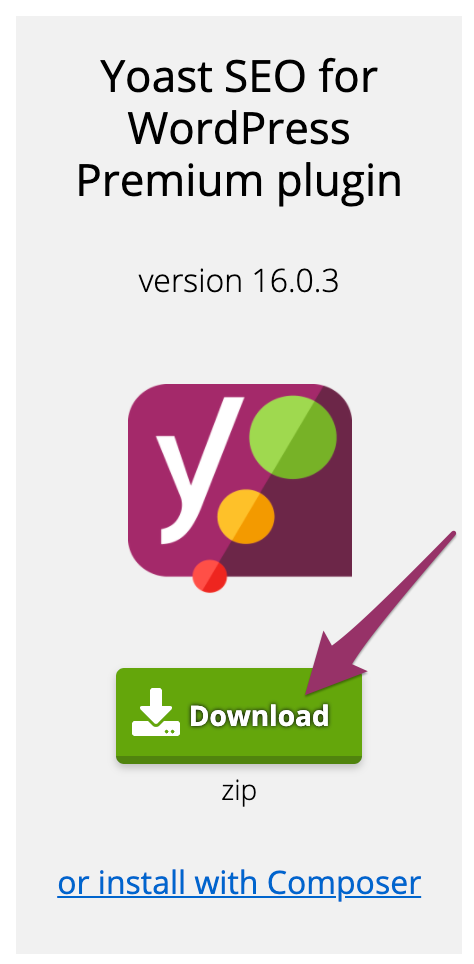
Install Yoast SEO
To install Yoast SEO, go to your WordPress control panel. Then, click "Plug-ins" and "Installing Plug-ins"Button.
Search for "yoast seo", find it and click "Installation" button. Then, click the "activate".
![Image[11]-Enhance WordPress Website Ranking: 28 Key SEO Optimization Steps Explained - Photon Fluctuation Network | Professional WordPress repair service, worldwide, quick response](https://www.361sale.com/wp-content/uploads/2024/04/image-49.png)
Configuring Yoast SEO
After activation, the plugin will prompt you to complete the "First Time Configuration".
In this process, you need to:
- Run Yoast's SEO Data Optimization
- Provide basic information about your website
- Connecting your social profiles
![Image[12]-Enhance WordPress Website Ranking: 28 Key SEO Optimization Steps Explained - Photon Fluctuation Network | Professional WordPress repair service, global coverage, quick response](https://www.361sale.com/wp-content/uploads/2024/04/image-50.png)
In addition to this, the transfer toYoast SEO > Search Appearance > Title SeparatorsIt is also a good idea to select the symbols that will be used as title tag separators.
![Image [13] - Improve WordPress Website Ranking: 28 Key SEO Optimization Steps Explained - Photon Fluctuation Network | Professional WordPress repair service, global coverage, fast response](https://www.361sale.com/wp-content/uploads/2024/04/image-51.png)
This is what the title separator looks like in the search results:
8. Submit the site map to Google Search Console
An XML sitemap is like a navigational map for search engines that lists all the pages on your site. This helps search engines find new pages on your site quickly, and it also tells search engines when your pages were last updated.
If you're using WordPress, it will automatically create such a sitemap for you, which you can access by visiting the https://www.yoursite.com/wp-sitemap.xml Come check it out.
If you use the tool Yoast SEO, it will generate a more advanced version of the sitemap and turn off the one automatically generated by WordPress. All you need to do is submit the link to this sitemap to Google Search Console (GSC).
While Google can usually find your site on its own, you can make the process a little faster by submitting an XML sitemap to the Google Search Console. This also helps Google better understand the layout of your site.
Finding sitemap URLs in Yoast
Go to the left menu of theYoast SEOand then click on "conventional (weapons)". Then, click "functionality" tab and scroll down to theXML Site MapThe
The site map should be enabled by default (the toggle button should be "on"). If not, enable it.
![Image [14] - Improve WordPress Website Ranking: 28 Key SEO Optimization Steps Explained - Photon Fluctuation Network | Professional WordPress Repair Service, Global Reach, Fast Response](https://www.361sale.com/wp-content/uploads/2024/04/image-84.png)
click on the smallquestion markand then click"View XML Site Map" Link. Your site map will open in a new tab.
That's generally true:
![Image[15]-Enhance WordPress Website Ranking: 28 Key SEO Optimization Steps Explained - Photon Fluctuation Network | Professional WordPress Repair Service, Global Reach, Fast Response](https://www.361sale.com/wp-content/uploads/2024/04/image-85.png)
Copy the URL and go to Google Search Console.
Submit sitemap URLs to Google Search Console
Sign in to your Google Search Console account and click "Site Map".
You will find a simple form where you can paste the URL of the sitemap:
![Image[16]-Enhance WordPress Website Ranking: 28 Key SEO Optimization Steps Explained - Photon Fluctuation Network | Professional WordPress repair service, global reach, fast response](https://www.361sale.com/wp-content/uploads/2024/04/image-86.png)
Click "submit (a report etc)"It's done.
At the same time, you can also submit the URL to Baidu, Bing and other search engines:
9. Noindex unimportant pages
WordPress automatically creates different kinds of pages for your site, such as archive pages organized by month of publication. For example, if you published a post in September 2022, WordPress will create a page with all the posts from that month, like this: https://yourwebsite.com/2022/09/. But these pages may not be useful to visitors, and you probably don't want them to show up in Google search results.
Simply put, if you think a page shouldn't appear in the search results, you can use the Yoast plugin to tell Google not to include that page. This process is called setting the page to "noindex".
To set a page to "noindex" with Yoast, simply do the following:
- Open Yoast SEO plugin, find and click on "Search Appearance".
- In the tabs "Content types", "Taxonomy" and "Archives" you will find the option to set "noindex in the tabs "Content Type", "Taxonomy" and "Archives".
![Image [17] - Improve WordPress Website Ranking: 28 Key SEO Optimization Steps Explained - Photon Fluctuation Network | Professional WordPress Repair Service, Global Scope, Fast Response](https://www.361sale.com/wp-content/uploads/2024/04/image-87.png)
Under each category, the system will ask you if you want a certain kind of content to be indexed in Google.
Like this:
![Image [18]-Enhance WordPress Website Ranking: 28 Key SEO Optimization Steps Explained - Photon Fluctuation Network | Professional WordPress Repair Service, Global Reach, Fast Response](https://www.361sale.com/wp-content/uploads/2024/04/image-88.png)
To not index everything in a category, simply select "Close" will do.
Let's go through all the types one by one:
Type of content
- writings: Absolutely index these. You want your articles to appear in search engine results.
- web page: Absolutely index these. You want your pages to appear in search engine results.
- templates: These are usually created by the page builder. There is no need to index them.
taxonomy
- form web page: These are often useful for users, especially for larger blogs and e-commerce sites. (See step 13 to make the most of them.)
- tab (of a window) (computing) leafFace: these are usually low value pages. No need to index them.
- Format-based archiving: These are low-value pages that are rarely used. Turn off the use of these archives altogether, or don't index them.
place on file
- author place on file: These are useful for multi-author blogs. Otherwise, turn off the use of these archives altogether, or don't index them.
- dates place on file: Turn off the use of these files altogether. Or do not index them.
10. Planning the website architecture
If your WordPress SEO is correct, you will have a simple website architecture with a clear page hierarchy.
Good website architecture makes your website easier for search engines to crawl and for users to navigate.
To this end.Please plan ahead. You can simply use pen and paper. Or Google Forms. For this reason, we like to use mind mapping platforms like MindMeister.
Simply create a free account and select "Organizational structure seek" template (because it provides a good visual representation of the site structure):
![Image [19] - Improve WordPress Website Ranking: 28 Key SEO Optimization Steps Explained - Photon Fluctuation Network | Professional WordPress Repair Service, Global Reach, Fast Response](https://www.361sale.com/wp-content/uploads/2024/04/image-89.png)
Start planning the structure of your website by making a list of all the pages and categories that may be included on the site and organizing them in a hierarchical structure.
A basic website structure would probably look something like this:
![Image[20]-Enhance WordPress Website Ranking: 28 Key SEO Optimization Steps Explained - Photon Fluctuation Network | Professional WordPress Repair Service, Global Reach, Fast Response](https://www.361sale.com/wp-content/uploads/2024/04/image-90.png)
Any page or post on your site should be easy to find, and ideally it shouldn't take more than three clicks to get from the home page to any content.
WordPress Pages and Posts
By default, WordPress comes with two different types of content: posts and pages.
![Image [21] - Improve WordPress Website Ranking: 28 Key SEO Optimization Steps Explained - Photon Fluctuation Network | Professional WordPress repair service, global coverage, fast response](https://www.361sale.com/wp-content/uploads/2024/04/image-91.png)
Some pages on your site, such as About Us, Privacy Policy, or Login pages, are static pages that usually do not need to be categorized and do not display author information, and are suitable for Page formatting.
For content like blog posts, on the other hand, they are organized by category and generally show the author of the post and the date it was published. On the website, these blog posts will be organized chronologically, with newer posts displayed first.
In WordPress, you can set your homepage to either display a list of the latest posts or a static page. It's easy to do, just go to Settings > Reading and choose your favorite way to display your homepage there.
![Image [22]-Enhance WordPress Website Ranking: 28 Key SEO Optimization Steps Explained - Photon Fluctuation Network | Professional WordPress Repair Service, Global Reach, Fast Response](https://www.361sale.com/wp-content/uploads/2024/04/image-92.png)
If you decide to have the home page display a fixed static page, you can pick one page to display as the home page. At the same time, you can also pick another page to display your list of articles.
![Image [23] - Improve WordPress Website Ranking: 28 Key SEO Optimization Steps Explained - Photon Fluctuation Network | Professional WordPress Repair Service, Global Reach, Fast Response](https://www.361sale.com/wp-content/uploads/2024/04/image-93.png)
Avoid keyword cannibalization
Having a well-planned website structure can also help you avoid a common problem: keyword clashes. When this happens, your web pages "steal" rankings from each other in Google's search results.
As Google's John Mueller mentioned in a Reddit Q&A:
"If you have a lot of pages on your site with similar content, they will start to compete with each other...I personally prefer to have fewer but more powerful pages rather than a lot of less powerful ones - don't let your site's value drop. "
How can we avoid this problem?
- Assign a primary keyword to each page on your site.
- Make sure the main keywords are unique to each page.
Note: We'll discuss how to pick the right keywords in detail in step 15.
If you want to check your site for keyword conflicts, you can use the "Keyword Conflicts" feature in Semrush's Position Tracker to find the affected pages.
![Image [24] - Improve WordPress Website Ranking: 28 Key SEO Optimization Steps Explained - Photon Fluctuation Network | Professional WordPress Repair Service, Global Scope, Fast Response](https://www.361sale.com/wp-content/uploads/2024/04/image-94.png)
11. Nesting pages in subdirectories
Nesting pages means grouping similar pages into subdirectories in the URL schema.
By default, WordPress creates URLs that are not nested.
For example, without nesting, the URL on the Freelance Photographer website would look like this:
- domain.com
- domain.com/services
- domain.com/wedding-photography
- domain.com/portrait-photography
- domain.com/family-photography
- domain.com/blog
- domain.com/editing-process
- domain.com/family-portrait-tips
However, in order to make the URL structure more logical - not forgetting that search engine crawlers like order and structure - we can nest pages like this:
- domain.com
- domain.com/services
- domain.com/services/wedding-photography
- domain.com/services/portrait-photography
- domain.com/services/family-photography
- domain.com/blog
- domain.com/blog/editing-process
- domain.com/blog/family-portrait-tips
In this example, pages are nested into more descriptive categories. The services offered are nested in the "services" subdirectory, and the blog posts are nested in the "blog" subdirectory.
To nest pages in WordPress, you need to edit the page. Then, go to Page Properties and select the desired Parent Page.
For example, for a wedding photography page, we would choose "services" as the parent page.
![Image[25]-Enhance WordPress Website Ranking: 28 Key SEO Optimization Steps Explained - Photon Fluctuation Network | Professional WordPress Repair Service, Global Reach, Fast Response](https://www.361sale.com/wp-content/uploads/2024/04/image-95.png)
This will cause the services subfolder to be included in the URL of the wedding photography page:: domain.com/services/wedding-photography
take note of: If you want to change the URL of an existing page with nesting, you may need to set up a redirect.
12. Create an easy-to-navigate menu
A menu is an important navigational element of any website. It helps your visitors find the most important pages.
This is also important for SEO. Because it provides more information about the structure of your site and its key pages.
Your main menu should be:
- clearer: Don't overwhelm users with too many menu items. Consider creating submenus or moving lesser used items to the footer menu.
- simple and practical: Always follow the "user first" principle. Try to put yourself in the shoes of your visitors and make sure that Navigation 100% is easy to understand.
- predictableThe: Don't experiment. Include items that people (and search engine crawlers) expect to find in a menu and use traditional names (e.g., "Pricing" instead of "How Much It Costs" or "Blog" instead of "Notes from the Field").
To create a menu in WordPress:
1. Go toAppearance > Menu> Edit menu or click "Create a new menu"Link.
![Image[26]-Enhance WordPress Website Ranking: 28 Key SEO Optimization Steps Explained - Photon Fluctuation Network | Professional WordPress Repair Service, Global Reach, Fast Response](https://www.361sale.com/wp-content/uploads/2024/04/image-96.png)
2. Add pages (or other types of content) to your menu in the "Add Menu Item" section.
3. Drag and drop menu items to change their order and/or rename them in the Menu Structure section.
![Image [27] - Improve WordPress Website Ranking: 28 Key SEO Optimization Steps Explained - Photon Fluctuation Network | Professional WordPress Repair Service, Global Reach, Fast Response](https://www.361sale.com/wp-content/uploads/2024/04/image-97.png)
To make the menu appear in the title of the site, don't forget to mark it in the settings at the bottom as "Main Menu":
![Image [28] - Boost WordPress Website Ranking: 28 Key SEO Optimization Steps Explained - Photon Fluctuation Network | Professional WordPress Repair Service, Global Reach, Fast Response](https://www.361sale.com/wp-content/uploads/2024/04/image-98.png)
Multiple menus can be created in the "Menus" section of WordPress (e.g. footer menus, separate blog navigation, etc.). Their implementation will depend on your theme and/or page builder.
13. Proper use of article categorization
Using categories is a great way to:
- Group your blog posts logically: because you can create different levels of categorization, this gives you the opportunity to create a clear hierarchy between blog topics.
- Enhance the quality of your site's internal links: category pages can be the central point of content, linking all articles about the same topic together.
- Help readers find more articles that interest them: by categorizing articles, you can show readers other articles related to what they are currently reading.
Since assigning a category to a post in WordPress is a must (if you don't choose a category for a post, it will automatically be categorized as "Uncategorized"), it's best to take advantage of this feature.
Adding categories to your posts is easy. Just scroll down to the "Categories" section in the right-hand panel on the post editing page.
Here you can select an existing category or create a new one:
![Image[29]-Enhance WordPress Website Ranking: 28 Key SEO Optimization Steps Explained - Photon Fluctuation Network | Professional WordPress Repair Service, Global Reach, Fast Response](https://www.361sale.com/wp-content/uploads/2024/04/image-99.png)
Note: WordPress has another type of categorization called tags. Tags allow you to organize posts under different categories based on more granular sub-themes. However, using tags is not required and they are not as popular as they used to be.
Next, let's look at what you can do to optimize your WordPress categories ......
Use of a reasonable number of classifications
You can create as many categories as you want.
But to make your blog easy to navigate without confusing your readers, it's best to keep the number of categories between 5 and 10.
Come see how the Semrush blog does it:
![Image [30] - Improve WordPress Website Ranking: 28 Key SEO Optimization Steps Explained - Photon Fluctuation Network | Professional WordPress Repair Service, Global Scope, Fast Response](https://www.361sale.com/wp-content/uploads/2024/04/image-100.png)
Broad categories like "SEO" or "Marketing" are basic groupings of content. You can then have more specific subcategories to further break down the content.
For example, under the broad category of "SEO", you can have subcategories such as "Keyword Research", "On-Page Optimization" and "Link Building and "link building" subcategories.
![Image [31] - Improve WordPress Website Ranking: 28 Key SEO Optimization Steps Explained - Photon Fluctuation Network | Professional WordPress Repair Service, Global Reach, Fast Response](https://www.361sale.com/wp-content/uploads/2024/04/image-101.png)
Try to create categories that are broader so you don't end up with only a handful of articles belonging to a certain category.
Tip: You can't delete the default "Uncategorized" category, but you can choose not to use it or rename it.
Optimize category page
Add a short introduction to each of the archive pages for each category. This way, you not only explain to your readers what the category is about, but you also give the search engines some unique content.
Here's an example from the Semrush blog's "SEO" category page:
![Image [32]-Enhance WordPress Website Ranking: 28 Key SEO Optimization Steps Explained - Photon Fluctuation Network | Professional WordPress Repair Service, Global Reach, Fast Response](https://www.361sale.com/wp-content/uploads/2024/04/image-102.png)
To add a description to your category page, go to the"Articles">"Classifieds"> and click "compiler".
![Image [33] - Improve WordPress Website Ranking: 28 Key SEO Optimization Steps Explained - Photon Fluctuation Network | Professional WordPress Repair Service, Global Reach, Fast Response](https://www.361sale.com/wp-content/uploads/2024/04/image-103.png)
Then, describe your category in a few sentences in the "Description" field:
![Image [34] - Boost WordPress Website Ranking: 28 Key SEO Optimization Steps Explained - Photon Fluctuation Network | Professional WordPress Repair Service, Global Reach, Fast Response](https://www.361sale.com/wp-content/uploads/2024/04/image-104.png)
Like we said before, categorized archive pages are a great way to build a content hub.
That's why you'll want these pages to be indexed by search engines and show up in search results.
In order to get attractive profile snippets in the search results, you need to optimize the title and profile of the category page.
Here's an example of a well-optimized category page in the search results:
![Image [35] - Improve WordPress Website Ranking: 28 Key SEO Optimization Steps Explained - Photon Fluctuation Network | Professional WordPress Repair Service, Global Reach, Fast Response](https://www.361sale.com/wp-content/uploads/2024/04/image-105.png)
I'll cover title tag and meta description optimization best practices in steps 19 and 20.
14. Enable breadcrumb navigation
Breadcrumbs are like pointers, usually displayed at the top of a page, that tell you exactly where that page is in the site.
It looks like this:
![Image [36] - Improve WordPress Website Ranking: 28 Key SEO Optimization Steps Explained - Photon Fluctuation Network | Professional WordPress Repair Service, Global Scope, Fast Response](https://www.361sale.com/wp-content/uploads/2024/04/image-106.png)
The main benefit of using breadcrumbs is that they make it easier for visitors to find their way around the site and navigate.
Also, breadcrumbs show up in search results, making your site look more detailed on the search page:
![Image [37] - Boost WordPress Website Ranking: 28 Key SEO Optimization Steps Explained - Photon Fluctuation Network | Professional WordPress Repair Service, Global Reach, Fast Response](https://www.361sale.com/wp-content/uploads/2024/04/image-107.png)
The easiest way to enable breadcrumbs on WordPress is to use Yoast SEO. under "Search Appearance", click "crumb". On the next page, click on "Already".start using".
![Image [38] - Improve WordPress Website Ranking: 28 Key SEO Optimization Steps Explained - Photon Fluctuation Network | Professional WordPress Repair Service, Global Reach, Fast Response](https://www.361sale.com/wp-content/uploads/2024/04/image-108.png)
If you're using the WordPress Gutenberg editor and want to add breadcrumb navigation to your posts (assuming your posts don't already have breadcrumbs), all you need to do is add a block called "Yoast Breadcrumbs" to display breadcrumbs in your posts:
![Image[39]-Enhance WordPress Website Ranking: 28 Key SEO Optimization Steps Explained - Photon Fluctuation Network | Professional WordPress Repair Service, Global Reach, Fast Response](https://www.361sale.com/wp-content/uploads/2024/04/image-109.png)
15. Do keyword research
One of the most crucial tasks in WordPress SEO is figuring out what terms your target audience is searching for on Google so you can attract relevant visitors for those search terms.
This step is called keyword research.
Find Keywords
The easiest way to find keywords that are relevant to you is to look at what terms your competitors' sites are ranking well for, and Semrush offers a tool called Keyword Gap Analysis that is designed to do just that.
Let's say you have a web design company and are now looking for some new theme inspiration for your blog.
All you need to do is enter your website address and up to four competitors' URLs. (The tool will give some suggestions, or you can fill them in manually yourself.)
![Image [40] - Improve WordPress Website Ranking: 28 Key SEO Optimization Steps Explained - Photon Fluctuation Network | Professional WordPress Repair Service, Global Reach, Fast Response](https://www.361sale.com/wp-content/uploads/2024/04/image-110.png)
Next, select your target location and click "comparisons".
![Image [41] - Improve WordPress Website Ranking: 28 Key SEO Optimization Steps Explained - Photon Fluctuation Network | Professional WordPress Repair Service, Global Reach, Fast Response](https://www.361sale.com/wp-content/uploads/2024/04/image-111.png)
Then, simply view the list of keywords and focus on these two tabs:
- deficiencies: All the keywords your competitors are ranking for, but you're not
- (following a decimal or fraction) slightly less than: All competitors rank higher than you for your keywords
![Image [42] - Improve WordPress Website Ranking: 28 Key SEO Optimization Steps Explained - Photon Fluctuation Network | Professional WordPress Repair Service, Global Reach, Fast Response](https://www.361sale.com/wp-content/uploads/2024/04/image-112.png)
These are the keywords that your competitors are using and ranking for. You can create content for these keywords.
Take a look at this list, it might give you some writing inspiration.
Tip: Another easy way to find more keywords is to type in a broad keyword in your industry (also called a "seed keyword") and look at the terms associated with it. In Semrush, there is a tool called Keyword Magic tool that is specifically designed to do this.
Select Keywords
Now that you've found some keywords, the next step is to take a look at some of their specifics to help you decide which keywords are best suited for your page or article.
When choosing your target keywords, consider the following:
- Search volume: how often is this keyword searched?
- Keyword Difficulty (KD): How difficult is it to compete to rank for this keyword?
- Search intent: when people search for this keyword, what kind of information are they trying to find?
In the Keyword Gap and Keyword Magic tools, you can see all of this information in aggregate, which makes it easier to decide which keywords you should prioritize and which you may need to screen out.
![Image [43] - Improve WordPress Website Ranking: 28 Key SEO Optimization Steps Explained - Photon Fluctuation Network | Professional WordPress Repair Service, Global Reach, Fast Response](https://www.361sale.com/wp-content/uploads/2024/04/image-113.png)
After finding the perfect keyword to target, the next step is to get your content optimized around that keyword.
But that doesn't mean stuffing keywords all over the article.
What you need to do is include your target keyword (or a different form of it) in some key positions like:
- Title of the page
- Title tags for web pages
- text
- Internal links pointing to this page
16. Creating great content
Producing high-quality content is a basic rule of SEO (and this doesn't just apply to WordPress SEO). But because it's so important, we're going to make a point of emphasizing it in this guide anyway.
Now, let's discuss in detail ......
Determine search intent
Understanding search intent is all about making sure that your page provides exactly the information that the user is looking for.
A good way to start is to look at the search results pages (SERPs) for your target keywords.
You can use Semrush's Keyword Overview tool to see search results from different countries or regions and also get some useful data.
![Image [44] - Improve WordPress Website Ranking: 28 Key SEO Optimization Steps Explained - Photon Fluctuation Network | Professional WordPress Repair Service, Global Reach, Fast Response](https://www.361sale.com/wp-content/uploads/2024/04/image-114.png)
Simply browse the results and take a closer look at the home page.
By analyzing search results pages (SERPs), you can better determine a user's search intent, which includes:
- Determine what type of content should be published: you'll find out which types of content (e.g., introductory pages, reviews, tutorials, etc.) rank high for this keyword so you'll know which type of content to create to attract visitors.
- Go deeper into the topic: you'll see the questions users might ask so your content can give answers to those questions.
- Watch your competitors: you can see which pages rank well for this keyword, which helps you get ideas and inspiration.
- Look for opportunities to do better: by analyzing your competitors' content, you can find ways to provide additional value, such as offering a unique point of view, more data, examples, or rich media content that makes your content stand out.
Provision of reliable information
E-A-T, or expertise, authority and trustworthiness, is an important factor that Google uses to evaluate your website.
To show a good E-A-T, it is important to have quality backlinks.
However, the following practices on your web page are also helpful:
- Write content in your area of expertise
- Provide information about the authors and their professional background
- Make sure the information you provide is accurate
- Back up your points with data and other credible resources
- Make your website information transparent (e.g. have an about us page, contact page)
That's not the whole story, but the basics: become an online resource that even you would trust.
Optimized for readers
Many people are so focused on optimizing their content for search engines that they end up ignoring the real readers. In fact, optimizing for search engines and improving the user experience can be done at the same time; the two actually support each other.
Semrush provides a program calledSEO Writing Assistant's handy tool, it's a WordPress plugin that helps you instantly improve the quality of your content as you write. (Not only does it work right out of the box on Semrush, it's also available as a plugin for Google Docs and Microsoft Office.)
To install this plugin, simply go to the WordPress control panel and click on the "Plugins" section. Then click "Add New Plugin", search for "Semrush SEO Writing Assistant", then click "Install Now" and then click "Activate".
![Image [45] - Improve WordPress Website Ranking: 28 Key SEO Optimization Steps Explained - Photon Fluctuation Network | Professional WordPress Repair Service, Global Reach, Fast Response](https://www.361sale.com/wp-content/uploads/2024/04/image-115.png)
The assistant will appear at the bottom of any post or page editor and provide a detailed analysis of four areas:
- readable
- Search Engine Optimization
- ingenuity
- tone of voice
![Image [46]-Enhance WordPress Website Ranking: 28 Key SEO Optimization Steps Explained - Photon Fluctuation Network | Professional WordPress Repair Service, Global Reach, Fast Response](https://www.361sale.com/wp-content/uploads/2024/04/image-116.png)
When we talk about SEO, this tool mainly helps you to optimize the keywords used. It will check if you have properly used the targeted keywords in the title and body of the page.
In addition, it suggests some other keywords that you can use on the page to improve SEO results.
![Image [47] - Boost WordPress Website Ranking: 28 Key SEO Optimization Steps Explained - Photon Fluctuation Network | Professional WordPress Repair Service, Global Reach, Fast Response](https://www.361sale.com/wp-content/uploads/2024/04/image-117.png)
These suggestions come from analyzing the keywords on the top ranking pages, and they can help you understand what subtopics your competitors are covering.
Think of these suggestions as a way to get useful information about your competitor's content coverage, rather than necessarily cramming every word of these suggestions into your content.
(If you try to hardwire every word of these suggestions, your content may not sound natural enough and have too much keyword stacking.)
In terms of content readability, this plugin will also suggest an optimal difficulty level based on the average readability level of the top-ranked pages and score your text.
![Image [48] - Improve WordPress Website Ranking: 28 Key SEO Optimization Steps Explained - Photon Fluctuation Network | Professional WordPress Repair Service, Global Reach, Fast Response](https://www.361sale.com/wp-content/uploads/2024/04/image-118.png)
If the readability score is too low, the tool prompts you to fix long passages, hard-to-read sentences, and complex words:
![Image [49] - Improve WordPress Website Ranking: 28 Key SEO Optimization Steps Explained - Photon Fluctuation Network | Professional WordPress repair service, global coverage, quick response](https://www.361sale.com/wp-content/uploads/2024/04/image-119.png)
The tool also allows you to select the targetintonationThe
Depending on your choice, it will analyze the text and show tone inconsistencies. You can then fix the text to more clearly match your target tone.
![Image [50]-Enhance WordPress Website Ranking: 28 Key SEO Optimization Steps Explained - Photon Fluctuation Network | Professional WordPress Repair Service, Global Reach, Fast Response](https://www.361sale.com/wp-content/uploads/2024/04/image-120.png)
Finally, this tool can check your content'sOriginality.
![Image [51] - Improve WordPress Website Ranking: 28 Key SEO Optimization Steps Explained - Photon Fluctuation Network | Professional WordPress Repair Service, Global Reach, Fast Response](https://www.361sale.com/wp-content/uploads/2024/04/image-121.png)
Google emphasizes, when creating content, "avoid simply copying or rewriting someone else's content and instead add information that is truly valuable and insightful."
Make sure that your content isn't just a minor modification of someone else's content, but that it's original in its own way.
17. Writing SEO-friendly URLs
WordPress by default uses the title of your page as the URL. So, the URL on your site sometimes
The problem with long URLs is that they may not show up all the way in the search results and don't look as good:
![Image [52] - Improve WordPress Website Ranking: 28 Key SEO Optimization Steps Explained - Photon Fluctuation Network | Professional WordPress Repair Service, Global Reach, Fast Response](https://www.361sale.com/wp-content/uploads/2024/04/image-122.png)
To create a more SEO friendly URL, scroll down to the "Permalinks" section in the page/post editor and change the "URL Slug".
Alternatively, you can change the URL in the Yoast SEO settings below the post editor. This plugin will also show you a live preview of the search results:
![Image [53]-Enhance WordPress Website Ranking: 28 Key SEO Optimization Steps Explained - Photon Fluctuation Network | Professional WordPress Repair Service, Global Reach, Fast Response](https://www.361sale.com/wp-content/uploads/2024/04/image-123.png)
Here are some tips for making SEO-friendly URLs:
- Try to keep the URL as short as possible: it looks neater and doesn't show up incomplete in search results.
- Add target keywords: this helps users and search engines to quickly know what the content of the page is, and also helps with ranking.
- Avoid using numbers (unless you're sure they won't change): if you have numbers in your post (e.g., number of tips or year) that may be updated in the future, it's best to leave them out of the URL to avoid a mismatch between the URL and the content.
18. Correct use of heading H
H titles are critical in page layout:
- They help to clearly organize page content
- They outline the topic of the page
- They break up the text into sections to make it easier to read That's how they work:
![Image [54] - Improve WordPress Website Ranking: 28 Key SEO Optimization Steps Explained - Photon Fluctuation Network | Professional WordPress Repair Service, Global Reach, Fast Response](https://www.361sale.com/wp-content/uploads/2024/04/image-124.png)
To add a title in the WordPress Gutenberg editor, simply open the page or post. Then, clickplus(+) icon to add a new block. Select the "captionHeading":
![Image [55] - Improve WordPress Website Ranking: 28 Key SEO Optimization Steps Explained - Photon Fluctuation Network | Professional WordPress Repair Service, Global Reach, Fast Response](https://www.361sale.com/wp-content/uploads/2024/04/image-125.png)
Then, select the type of title you need:
![Image [56] - Boost WordPress Website Ranking: 28 Key SEO Optimization Steps Explained - Photon Fluctuation Network | Professional WordPress Repair Service, Global Reach, Fast Response](https://www.361sale.com/wp-content/uploads/2024/04/image-126.png)
To see how your pages are organized by title, you can open theDocument OutlineThe
Simply click on "text"Icon. This is the letter "i" in a circle:
![Image [57] - Improve WordPress Website Ranking: 28 Key SEO Optimization Steps Explained - Photon Fluctuation Network | Professional WordPress Repair Service, Global Reach, Fast Response](https://www.361sale.com/wp-content/uploads/2024/04/image-127.png)
Next, you can ask yourself a few questions:
- Is there a logical hierarchy of headings? (e.g., H2 followed by H3, etc.)
- Are headings at the same level grammatically and stylistically uniform?
- Are these headings still legible if used separately as a table of contents?
If you answered "yes" to all of these questions, then great! You've used Title H correctly.
19. Writing optimized title tags
The title tag on your web page shows users and search engines what the topic of this page is, which is very important for the ranking of the page.
It will be displayed on the profile and browser tab of the search results:
![Image [58] - Improve WordPress Website Ranking: 28 Key SEO Optimization Steps Explained - Photon Fluctuation Network | Professional WordPress Repair Service, Global Reach, Fast Response](https://www.361sale.com/wp-content/uploads/2024/04/image-128.png)
So, creating a strong and properly optimized title tag is crucial for on-page SEO.
The Yoast SEO plugin can help with this. Simply scroll to the bottom of the page you're editing and edit in the "SEO Title" field:
![Image [59] - Improve WordPress Website Ranking: 28 Key SEO Optimization Steps Explained - Photon Fluctuation Network | Professional WordPress Repair Service, Global Reach, Fast Response](https://www.361sale.com/wp-content/uploads/2024/04/image-129.png)
The "Title" and "Page" placeholders will automatically populate the title of the post or page.
You can delete them and write your own SEO friendly title tags. Sometimes all you need to do is shorten the title and change a few words.
Here are some tips for writing compelling title tags:
- Provide unique titles for each page/post
- Ensure that the width of the title tag is less than 600px(The progress bar underneath the "SEO Title" entered in the Yoast SEO plugin will help you with this; try to stay in the green zone)
- Put your targeted keywords in the first place(but don't go out of your way to stuff the keywords)
- If possible, include your brand name(sometimes it makes the title too long, so it depends on your needs)
- Use actionable and persuasive words(e.g., "review", "best", "list" or "steps")
- Use of figures(something like "top 10" or "2022" would get people's attention)
20. Production of unique meta-descriptions
While meta descriptions aren't a direct ranking factor, they do affect your click-through rate.
![Image [60] - Improve WordPress Website Ranking: 28 Key SEO Optimization Steps Explained - Photon Fluctuation Network | Professional WordPress Repair Service, Global Reach, Fast Response](https://www.361sale.com/wp-content/uploads/2024/04/image-130.png)
In other words, writing great meta-descriptions canGet more people to click on your link in search resultsThe
A truncated meta description is not an SEO disaster. But it doesn't look good either:
![Image [61]-Enhance WordPress Website Ranking: 28 Key SEO Optimization Steps Explained - Photon Fluctuation Network | Professional WordPress Repair Service, Global Reach, Fast Response](https://www.361sale.com/wp-content/uploads/2024/04/image-131.png)
You can add the meta description to the same section as the title tag in Yoast SEO. The progress bar will help you keep the meta description within the desired length.
![Image [62]-Enhance WordPress Website Ranking: 28 Key SEO Optimization Steps Explained - Photon Fluctuation Network | Professional WordPress Repair Service, Global Reach, Fast Response](https://www.361sale.com/wp-content/uploads/2024/04/image-132.png)
The following rules will help you write amazing meta descriptions:
- Provide a unique meta description for each page
- Aim for 120 characters(so it doesn't get truncated in the move result)
- Include your target keywords(Again, do it naturally and don't stack keywords)
- Consider search intent
- Be clear and use the active voice
- Show value and add a call to action at the end
21. Internal Links
Internal links are links within a website, from one page to another.
There are two main types of internal links:
- Navigational internal links: these are links that are part of the structure of the site, such as links in the menu bar, categories or breadcrumb navigation (which we have talked about previously in steps 12 to 14).
- Contextual internal links: these links are in the body of the article and point to related pages within the same website.
Using internal links is a great strategy to help boost the weight of a page (which is not the same as external link building), and it's completely in your control.
Let's look at an example:
![Image [63] - Improve WordPress Website Ranking: 28 Key SEO Optimization Steps Explained - Photon Fluctuation Network | Professional WordPress Repair Service, Global Reach, Fast Response](https://www.361sale.com/wp-content/uploads/2024/04/image-133.png)
Creating internal links
Every time you write new content, you have the opportunity to include internal links.
Adding internal links is very simple in WordPress:
First, select the text you want to use as a link (that's the anchor text). Then, click on the icon that looks like a chain.
![Image [64] - Improve WordPress Website Ranking: 28 Key SEO Optimization Steps Explained - Photon Fluctuation Network | Professional WordPress repair service, global coverage, fast response](https://www.361sale.com/wp-content/uploads/2024/04/image-134.png)
Next, search for the page or article you want the link to go to and select it by clicking on it.
If you already know the URL of that page, it's fine to just paste it in.
![Image [65] - Improve WordPress Website Ranking: 28 Key SEO Optimization Steps Explained - Photon Fluctuation Network | Professional WordPress Repair Service, Global Reach, Fast Response](https://www.361sale.com/wp-content/uploads/2024/04/image-135.png)
It's a good habit to add internal linking to the flow of the content you publish:
- BEFORE PUBLISHING: When you write new content, try linking to other articles or pages on your site that may be helpful to your readers.
- AFTER PUBLISHING: Once your article is published, look for old articles that link to this new article.
- Remember to systematically support your key pages and articles with internal links.
Audit your internal links
If your site has built up a lot of internal links, it's a good idea to use Semrush's site review tool to do a simple check to see if there are any internal linking issues.
First, create a new project and review it.
![Image [66] - Boost WordPress Website Ranking: 28 Key SEO Optimization Steps Explained - Photon Fluctuation Network | Professional WordPress Repair Service, Global Reach, Fast Response](https://www.361sale.com/wp-content/uploads/2024/04/image-136.png)
Once your review is complete, go to the "Internal Links" section for more details.
![Image [67] - Boost WordPress Website Ranking: 28 Key SEO Optimization Steps Explained - Photon Fluctuation Network | Professional WordPress Repair Service, Global Reach, Fast Response](https://www.361sale.com/wp-content/uploads/2024/04/image-137.png)
Here you'll see a list of errors and warnings about errors that occur with internal linking, these problems are organized in order of severity, so it's best to start with the most important ones.
![Image [68] - Boost WordPress Website Ranking: 28 Key SEO Optimization Steps Explained - Photon Fluctuation Network | Professional WordPress Repair Service, Global Reach, Fast Response](https://www.361sale.com/wp-content/uploads/2024/04/image-138-762x1024.png)
Simply click on the number of issues to see all affected URLs.
![Image [69] - Boost WordPress Website Ranking: 28 Key SEO Optimization Steps Explained - Photon Fluctuation Network | Professional WordPress Repair Service, Global Reach, Fast Response](https://www.361sale.com/wp-content/uploads/2024/04/image-139.png)
In addition to seeing which URLs have problems, you'll find detailed instructions and practical advice on how to fix each one.
22. Writing descriptive pictures instead of text ATL
Adding descriptive alternate text to images on WordPress or similar platforms is an important step in improving SEO.
Google's official blog explains that Google uses alternate text to "understand what the image is about."
Also, the alternate text is critical to the user experience - it allows visually impaired people with screen readers to understand the content of the image.
So how do you write good spare text?
Let's take a look at this image and an example of alternate text it might contain:
![Image [70] - Improve WordPress Website Ranking: 28 Key SEO Optimization Steps Explained - Photon Fluctuation Network | Professional WordPress Repair Service, Global Reach, Fast Response](https://www.361sale.com/wp-content/uploads/2024/04/image-140.png)
- Wrong alternative text (keyword stacking):: "chess, chess board, men playing chess, chess history".
- Incorrect alternative text (no alternative text):"
- Wrong alternative text (too vague)"Chess"
- OK Alternative text"Two men playing chess."
- Great alternative text."Two old men playing chess on a bench in Central Park in 1946."
As you can see, your alternative text should be descriptive and helpful. This is not the place to fill in keywords (although it's best to include keywords if they are relevant and natural).
To add alternative text to an image in WordPress:
switch toMedia > Libraryand select the image you want to edit. Write your alternative text in the "Alternative text" field.
![Image [71] - Improve WordPress Website Ranking: 28 Key SEO Optimization Steps Explained - Photon Flux | Professional WordPress Repair Service, Global Reach, Fast Response](https://www.361sale.com/wp-content/uploads/2024/04/image-141.png)
23. Manual approval of comments
Back in the day, people used to leave comments on other websites to get backlinks, which was a popular link building strategy.
But nowadays, this doesn't work as well as it used to (for example, comment links in WordPress come with a nofollow attribute by default, which means they don't pass any weight).
Nonetheless, there are many spammers who try to do this. So you may have come across such attempts:
![Image [72] - Improve WordPress Website Ranking: 28 Key SEO Optimization Steps Explained - Photon Fluctuation Network | Professional WordPress Repair Service, Global Reach, Fast Response](https://www.361sale.com/wp-content/uploads/2024/04/image-142.png)
While spammy comments on your site may not directly affect your SEO, Google still advises website owners to deal with this useless content.
Why?
Because spam comments can still negatively impact your site in other ways:
- They can make your website look untrustworthy.
- They don't help the user much.
- They are not relevant to your content.
Fortunately, there's a very simple way to deal with this in WordPress:
In your control panel, click on "Discussions" under "Settings" and select "Comments must be manually approved".
![Image [73] - Improve WordPress Website Ranking: 28 Key SEO Optimization Steps Explained - Photon Fluctuation Network | Professional WordPress Repair Service, Global Reach, Fast Response](https://www.361sale.com/wp-content/uploads/2024/04/image-143.png)
This means that you need to green light every new review on your site before they show up.
It's true that this will add a little extra work to your workflow. But doing so will prevent spam comments from harming your site.
24. Accelerate your website
When it comes to web page loading speed, every second counts.
Page speed is also a criterion used by Google to determine website rankings. This means that if your website loads slowly, then your website ranking may suffer.
And, Google's research shows that the longer a page takes to load, the more likely a user is to leave the site:
![Image [74] - Boost WordPress Website Ranking: 28 Key SEO Optimization Steps Explained - Photon Fluctuation Network | Professional WordPress Repair Service, Global Reach, Fast Response](https://www.361sale.com/wp-content/uploads/2024/04/image-144.png)
There are many ways to optimize your WordPress site for page speed:
- Installing the Cache Plugin: The caching plugin will store a portion of the site's data after the first load in order to fulfill each future request faster!
- Use of content delivery networks: CDNs distribute your website content to a variety of servers around the world to speed up load times in locations far from the original server (an example of a popular CDN service isCloudflare)
- Shrink your code: Making your source code smaller (e.g., by removing unnecessary characters) can help it load faster!
An in-depth look at these different types of performance optimizations would be beyond the scope of this guide.
Instead, we'll recommend some solid plugins to help you improve the performance of your WordPress site.
Free plugin:
- W3 Total Cache: Caching + Code Reduction
- WP Super Cache: Cache
- Autoptimize: Code Reduction; for WP Super Cache
Advanced Plug-ins:
- WP Rocket: A popular integrated solution
25. Optimize your images
Large image files are one of the most common reasons for slow loading web pages.
Fortunately.Many WordPress pluginscan help you optimize images in a variety of ways. For example.Smush plug-inCovers all image optimization basics.
To install the plugin, go toPlugins > Add New Plugin> Search for "smush" >Installation > ActivationThe
![Image [75] - Improve WordPress Website Ranking: 28 Key SEO Optimization Steps Explained - Photon Fluctuation Network | Professional WordPress Repair Service, Global Reach, Fast Response](https://www.361sale.com/wp-content/uploads/2024/04/image-145.png)
Let's see how it can help you.
compressed image
Image compression is one of the most effective ways to reduce image file size.
After installing the Smush plugin, go to its dashboard (just click " Smush "). It will prompt you for initial settings.
Enable "Automatic compression".
![Image [76] - Improve WordPress Website Ranking: 28 Key SEO Optimization Steps Explained - Photon Fluctuation Network | Professional WordPress Repair Service, Global Reach, Fast Response](https://www.361sale.com/wp-content/uploads/2024/04/image-146.png)
When it comes to the next step - "advanced (lossy) compression" - there are pros and cons. It willconspicuousIt is a way to reduce the file size. However, sometimes, it leads to degradation of image quality.
If your site relies on high quality images or you're just not sure, keep it inactive. You can always enable it later.
Let's see what the other two options mean - "Strip image metadata" and "Delayed loading".
- Stripping Image Metadata: This will remove unnecessary information (such as date and time) from the image file to make it smaller
- delayed loading: This will allow for a slight delay in loading images placed at the bottom of the page to improve the initial loading time of the page
You can enable them both at the same time.
Now you are done with the settings. The plugin will process all new images according to your settings. You can alsobatch compressionAll images currently uploaded to the site.
switch toSmush > Bulk Smush > Bulk Smush Now. In the free version of the plugin, you can compress up to 50 images at a time.
Use the right image size
If the images on your site are too large, it will also slow down the loading of the page.
For example, if the content area of your page is 1,000 pixels wide, images that are wider than that will needlessly lengthen the loading time of the page. This is a common problem that can be easily avoided.
With Smush, a tool you can set up to automatically detect images that are too large or too small for your page layout.
switch toSmush > Settings> Switch."Detects and displays incorrectly sized images"Options.
![Image [77] - Boost WordPress Website Ranking: 28 Key SEO Optimization Steps Explained - Photon Fluctuation Network | Professional WordPress Repair Service, Global Reach, Fast Response](https://www.361sale.com/wp-content/uploads/2024/04/image-147.png)
Don't forget to click on "Save Changes".
This way, you will be able to see images that are too big or too small for the container. You can resize and re-upload them.
26. Marking up your pages with Schema
Structured data is a piece of code written in a specific format, called a schema markup, that helps Google understand the content of a page.
For example, if you run a craft blog, provide detailed step-by-step instructions for each project.
By adding theHowTo MarkerYou can mark each step and how much time the task will take to help Google read and understand these individual steps.
Google can then use this information in search result snippets:
![Image [78] - Improve WordPress Website Ranking: 28 Key SEO Optimization Steps Explained - Photon Fluctuation Network | Professional WordPress Repair Service, Global Reach, Fast Response](https://www.361sale.com/wp-content/uploads/2024/04/image-148.png)
You can tag almost anything, from basic information about your site (such asName of organization,writingsmaybeauthor) to more specific information (such asmaneuver,offerings,commentaries,diet,Frequently Asked Questions,Operating Methodsetc.)
If you use the Yoast SEO plugin, it will handle all the basic markup for you based on your site settings and the information you provided in the initial configuration.
27. Securing your WordPress site
The security of your website is very important for SEO, although this may not seem so straightforward at first.
In fact, studies have found that one of the main reasons websites are hacked is to modify its external links (i.e., to get your website to link to other websites without your knowledge). If your website is linking to irrelevant spammy websites, this will definitely hurt your website rankings.
We have already discussed the importance of using an SSL certificate in step 4. Now, let's look at some other ways you can protect your website from hackers.
Using the Backup Plugin
The first step is to install a good backup plugin - such asUpdraftPlus-This way you can easily revert your site to a previous version in case something goes wrong.
After installation, go to the plugin's settings to set it up:
- Regular backups: frequency depends on how often you change your site (we recommend at least weekly backups)
- Remote Storage: where your backups will be stored (e.g., Google Drive)
![Image [79] - Improve WordPress Website Ranking: 28 Key SEO Optimization Steps Explained - Photon Fluctuation Network | Professional WordPress repair service, global coverage, fast response](https://www.361sale.com/wp-content/uploads/2024/04/image-149.png)
28. Use of "last updated" dates
You should refresh your content on a regular basis to ensure that it is always up-to-date and relevant.
While updating your content, don't forget to update the date of publication so that both the readers and the search engines understand that your content has been updated recently.
Showing the date the content was last updated is a good practice.
Check out how Brian Dean of Backlinko did it:
![Image [80] - Improve WordPress Website Ranking: 28 Key SEO Optimization Steps Explained - Photon Fluctuation Network | Professional WordPress repair service, global coverage, quick response](https://www.361sale.com/wp-content/uploads/2024/04/image-150.png)
If you look at the page source code, you can see that it was released in June 2021 and updated in November 2021.
![Image [81] - Improve WordPress Website Ranking: 28 Key SEO Optimization Steps Explained - Photon Fluctuation Network | Professional WordPress Repair Service, Global Reach, Fast Response](https://www.361sale.com/wp-content/uploads/2024/04/image-151.png)
That means:
- Google can read both datesand selects the dates it deems more relevant to display in the search results
- Users see the date of the latest updateSo they know the content of the post is fresh
Win-win.
A handy WordPress plugin will help you add a "last updated" date. It's calledWP Last Modified InfoThe
switch toPlugins > Install Plugins> Search for "wp last modified info" > clickInstallationButtons >activateThe
![Image [82]-Boost WordPress Website Ranking: 28 Key SEO Optimization Steps Explained - Photon Fluctuation Network | Professional WordPress Repair Service, Global Reach, Fast Response](https://www.361sale.com/wp-content/uploads/2024/04/image-152.png)
Then go to"Settings">"WP Last Modified Info">"Articles" > and toggle the button next to "Show info on front end" to show the last modification date in your post.
![Image [83] - Improve WordPress Website Ranking: 28 Key SEO Optimization Steps Explained - Photon Fluctuation Network | Professional WordPress Repair Service, Global Reach, Fast Response](https://www.361sale.com/wp-content/uploads/2024/04/image-153.png)
You can also adjust other settings to choose which date formats, templates, or archive pages don't show dates.
Remember to click "Save Settings" to save your changes.
The last important step is to go to the "Architecture Options" tab in the plugin settings and turn on architecture markup. (For most users, "Default Mode" is usually the most appropriate choice).
![Image [84] - Improve WordPress Website Ranking: 28 Key SEO Optimization Steps Explained - Photon Fluctuation Network | Professional WordPress Repair Service, Global Reach, Fast Response](https://www.361sale.com/wp-content/uploads/2024/04/image-154.png)
common problems
Is WordPress good for SEO?
Yes, WordPress is very SEO friendly. But it's just a CMS. so you still need to put in the effort to make your site successful in natural search.
Does Google like WordPress?
Google doesn't favor any CMS. WordPress may indeed be better for SEO than some other CMSs, but it's not usually the case that you can win the SEO battle by choosing a CMS. That said, WordPress is definitely a good choice for SEO.
Which SEO plugin is best for WordPress?
When it comes to all-in-one SEO plugins, the three most popular plugins are Yoast SEO, ALL in one SEO, and Rank Math. of course, there are many other excellentWordPress SEO PluginDedicated to specific SEO tasks.

Link to this article:https://www.361sale.com/en/7114The article is copyrighted and must be reproduced with attribution.

















![Emoji[wozuimei]-Photonflux.com | Professional WordPress repair service, worldwide, rapid response](https://www.361sale.com/wp-content/themes/zibll/img/smilies/wozuimei.gif)

![Emoticon[baoquan] - Photon Wave Network | Professional WordPress Repair Services, Worldwide Coverage, Rapid Response](https://www.361sale.com/wp-content/themes/zibll/img/smilies/baoquan.gif)


 简体中文
简体中文  English
  日本語
日本語  Français
  Español


No comments