





Are you also struggling to build a website? Use open source CMS to build a website, the white man reversed into a god! Let you from once busy, now easy to use. Through the open source CMS system, we manage the content of the site according to individual needs, but also through a variety of plug-ins and extensions, easy to create a unique site. This article, we will explore how to plug-ins and extensions to customize the site belongs to you, so you learn to enhance the site's functionality and use.
I. What is open source CMS system?
An open source CMS system is a tool that enables users to create, manage, and modify website content. The most famous open source CMS include WordPress,Joomla respond in singing DrupalUnlike commercial CMS systems, open source CMSs provide free source code. Unlike commercial CMS systems, open source CMSs provide free source code that users can modify and extend to meet the needs of different types of websites.
The core advantage of an open source CMS system is its flexibility. Users can install various plug-ins and extensions to change the appearance, functionality, and even the overall architecture of the website according to their needs.

II. Definition of plug-ins and extensions
- plug-in (software component): Plugins are small programs that can add specific functionality. They have the ability to extend the functionality of a site by integrating with the core code of the CMS system. For example, SEO plug-ins can help sites optimize search engine rankings, and security plug-ins can strengthen site protection.
- extensions: Extensions are similar to plug-ins, but they usually include a wider range of functionality compared to plug-ins and can change or enhance the way a CMS system works on a larger scale. Extensions don't just add functionality, they may also add to the system's administrative interface, user interface, etc.
![Image [2] - How to customize your own site with open source CMS plugins and extensions](https://www.361sale.com/wp-content/uploads/2025/08/20250806100847171-image.png)
III. Advantages of customizing the site through plug-ins and extensions
- No programming knowledge required: One of the biggest advantages of plugins and extensions is that even non-technical users can customize and extend the functionality of the site. Lowering the barrier to use allows many regular users to participate in the customization of the site.
- Save development time and costs: Using existing plug-ins and extensions can significantly reduce development time and costs compared to developing custom functionality on your own. There are thousands of plugins and extensions available in the open source community that cover almost all common user needs.
- Flexibility and customizability: Users can choose to configure different plug-ins and extensions to allow flexibility and customization for their needs. Whether it is a blog , corporate website , e-commerce platform or social networking sites , open source CMS can provide the appropriate plug-in support to meet a variety of needs .
Fourth, how to customize your open source CMS site by installing plug-ins
1. Install the right plugin for your needs
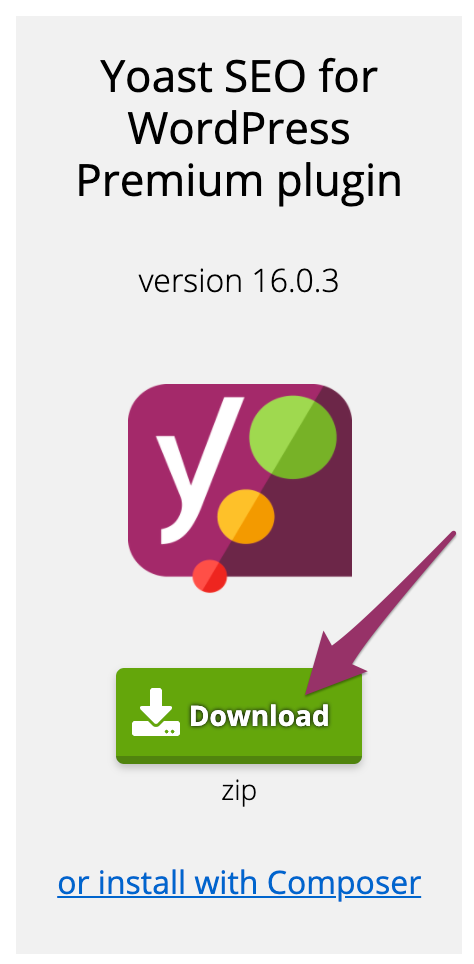
- SEO Plugin: For example, WordPress on Yoast SEO or Yoast SEO plugins can help you optimize your site's search engine performance. With these plugins, you can customize page titles, descriptions, keywords, URL structure, and other SEO elements.
- Security Plug-ins: Security plugins like Wordfence (WordPress) and SecuritySuite (Joomla) can strengthen your website's protection against hacking, malware, spam, etc.
- Social Sharing Plugin: Social media integration is an important part of modern websites. By installing social sharing plugins such as AddToAny or Social Warfare, users can easily add social sharing buttons to increase site interaction and exposure.
- E-commerce plug-ins: WooCommerce (for WordPress) is the most popular e-commerce plugin that transforms any WordPress website into a fully-functional online store with support for product management, payment gateways and order processing.
![Image [3] - How to customize your own site with open source CMS plugins and extensions](https://www.361sale.com/wp-content/uploads/2025/08/20250806101625654-image.png)
2. Installation and activation of plug-ins
The process of installing a plugin is usually very simple. All you need to do is search for the desired plugin under the "Plugins" menu in the backend of your website, click Install and activate it. For Joomla and Drupal, there are similar plugin management interfaces that allow you to install plugins in a few simple steps.
![Image [4] - How to customize your own site with open source CMS plugins and extensions](https://www.361sale.com/wp-content/uploads/2025/08/20250806101940641-image.png)
3. Configuring plug-in settings
After installing the plugin, you need to configure the plugin's settings for your specific needs. Most plugins will provide a setup wizard to help you with basic configuration. For example, an SEO plugin will ask you to set up a site title, description, and keywords, and a social sharing plugin will ask you to choose which social platforms to integrate.
4. Regularly updated plug-ins
Plugins are updated over time and such updates not only fix vulnerabilities but also add new features. Therefore, regularly checking and updating plugins is an important step in keeping your site secure and functioning properly.
![Image [5] - How to customize your own site with open source CMS plugins and extensions](https://www.361sale.com/wp-content/uploads/2025/08/20250806102814883-image.png)
V. How to customize your open source CMS site through extensions
Extensions are usually more in-depth and comprehensive than plugins. Extensions can change the way a CMS works, even affecting the site's architecture and content presentation.
1. Choosing the right extension
- Multi-language extensions: If you want your website to support multiple languages, WordPress, Joomla and Drupal all offer powerful multilingual extensions. For example, in WordPress, WPML (WordPress Multilingual Plugin) is the most commonly used multilingual plugin, which allows you to create different language versions of pages, posts, and categories of your website and manage them easily from the backend. Joomla's Falang extension makes it easy to translate and manage multilingual content, while Drupal's Internationalization module provides similar functionality.
- Advanced e-commerce extensions: In addition to the basic WooCommerce plugin, extensions like Easy Digital Downloads or BigCommerce provide eCommerce sites with more customization options to support more complex product displays, pricing strategies, and payment methods.
- Content Management Extension: If you need more content management options, Drupal's Views extension will help you create customized content presentations, including advanced features such as paging, filters, sorting, and more.
![Image [6] - How to customize your own site with open source CMS plugins and extensions](https://www.361sale.com/wp-content/uploads/2025/08/20250806100256446-image.png)
2. Installing and configuring extensions
Installing extensions is similar to plugins. First, one needs to find the extension that suits the needs, install it and enable it. Then, the user's desired functionality is configured through the extension's settings panel. Different extensions may involve more configuration steps and therefore require more time for learning and debugging.
3. Test and optimize extensions
As extensions involve deeper customization, be sure to test them fully before use. Ensure that the extension is compatible with existing plugins to avoid feature conflicts. Testing site loading speed, functional stability and user experience are essential steps.
VI. How to manage and maintain plug-ins and extensions
- Regularly check the compatibility of plugins and extensions: Regularly checking and updating all plugins and extensions will ensure stable site operation.
- Uninstall unnecessary plug-ins: Installing too many plug-ins and extensions can cause a site to slow down and may increase security risks. Keep your site clean and efficient by regularly cleaning up plugins and extensions that are no longer needed.
- Backup Sites: When installing plugins or extensions, make sure to back up your site content and database. This way, the site can be restored in a timely manner in case of problems.
![Image [7] - How to customize your own site with open source CMS plugins and extensions](https://www.361sale.com/wp-content/uploads/2025/08/20250806104916369-image.png)
VII. Conclusion
Building a website with an open source CMS is like playing with a jigsaw puzzle - plug-ins and extensions are the various shapes of the puzzle pieces, and you can easily add whatever features you want to create your own website! From SEO optimization to e-commerce management, from security to social integration, the customizability of open source CMS systems has become the ideal choice for many ordinary users of modern website construction.

Link to this article:https://www.361sale.com/en/73111The article is copyrighted and must be reproduced with attribution.













![Emoji[wozuimei]-Photonflux.com | Professional WordPress repair service, worldwide, rapid response](https://www.361sale.com/wp-content/themes/zibll/img/smilies/wozuimei.gif)

![Emoticon[baoquan] - Photon Wave Network | Professional WordPress Repair Services, Worldwide Coverage, Rapid Response](https://www.361sale.com/wp-content/themes/zibll/img/smilies/baoquan.gif)

 简体中文
简体中文  English
  日本語
日本語  Français
  Español


No comments