






The Gutenberg editor is now up to version 21.6, and more and more improved features have made block builders gradually popular, and Nexter Blocks was born under this trend! It's based on Gutenberg, and focuses on being lightweight and efficient, as well as performing many of the functions of a page builder. So.Nexter Blocks Can it really replace a traditional page builder? Follow me to find out.
![Image [1] - Nexter Blocks explodes: will it disrupt traditional page builders?](https://www.361sale.com/wp-content/uploads/2025/09/20250912190523382-image.png)
I. What are Nexter Blocks?
1. Core positioning
Nexter Blocks is an extension Gutenberg plugin for the editor. It provides rich blocks and features that allow users to implement page designs without having to rely on additional builders.
2. Core features
- Lightweight Architecture: Based on native editor to reduce redundant code.
- Module Rich: Includes buttons, forms, price lists, rotators, galleries and other common components.
- responsive design: Desktop, tablet and mobile compatible by default.
- SEO Friendly: The code is structurally clean and more search engine friendly.
compared with Elementor Nexter Blocks is closer to WordPress' native logic and faster to get started with.
Second, what are the advantages of page builders?
1. Visualization experience
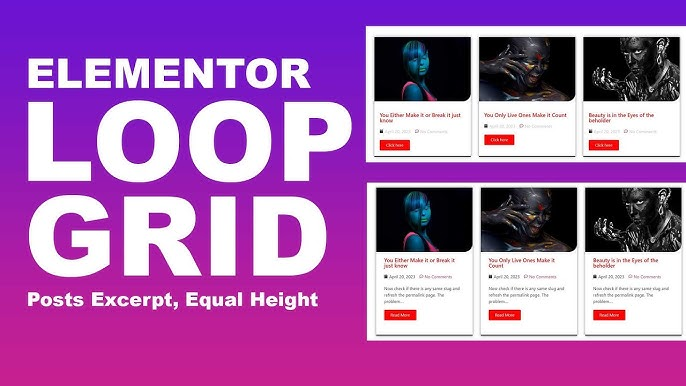
Builders such as Elementor provide a complete drag-and-drop interface that requires little to no knowledge of HTML or CSS.
![Image [2] - Nexter Blocks explodes: will it disrupt traditional page builders?](https://www.361sale.com/wp-content/uploads/2025/09/20250912191438832-image.png)
2. Comprehensive functionality
Dynamic content, complex layouts, animated effects, and third-party integrations are still areas that block plugins don't cover well for now.
3. The template ecosystem is vast
Popular builders (Elementor(WPBakery, etc.) has an established marketplace with tons of templates to save design time.
Arguably, page builders still have a clear advantage in terms of freedom and complete ecology.
Core differences between Nexter Blocks and page builders
1. Performance
- Nexter Blocks: Lightweight, fast loading, less bloat code.
![Image [3] - Nexter Blocks explodes: will it disrupt traditional page builders?](https://www.361sale.com/wp-content/uploads/2025/09/20250912191059154-image.png)
- page builder: It's versatile, but may slow down the site.
2. Learning costs
- Nexter Blocks: Based on Gutenberg, the interface is simple and easy to use for newcomers.
![Image [4] - Nexter Blocks explodes: will it disrupt traditional page builders?](https://www.361sale.com/wp-content/uploads/2025/09/20250912191233958-image.png)
- page builder: The features are complex and require some learning time.
3. Flexibility
- Nexter Blocks: suitable for business sites, e-commerce sites and blogs, covering most common needs.
- Page builder: suitable for sites that require customization, animation and complex interactions.
4. Ecological support
- Nexter Blocks: the ecology is still growing and the number of templates is limited.
![Image [5] - Nexter Blocks explodes: will it disrupt traditional page builders?](https://www.361sale.com/wp-content/uploads/2025/09/20250912191844381-image.png)
- Page builder: ecologically mature, extension plugins and templates resourceful.
IV. Advantageous Scenarios of Nexter Blocks
1. Small and medium-sized websites
Enterprise sites, personal blogs, and content-based sites can best utilize the lightweight and simplicity of Nexter Blocks.
2. E-commerce websites
WooCommerce Sites have high speed requirements, and Nexter Blocks reduces page redundancy and improves loading performance.
3. Novice and non-technical users
Gutenberg has grown in popularity, and Nexter Blocks requires little to no additional learning costs, making it more suitable for beginners.
V. Can Nexter Blocks Replace Page Builders?
1. From the perspective of development trends
WordPress officials are continuing to push the GutenbergNexter Blocks is the future of block building, and Nexter Blocks follows this direction.
2. In terms of actual needs
- Lightweight, Speed, SEO: Nexter Blocks is even better.
- Complex functionality, dynamic interactions: The page builder is still necessary.
In other words, Nexter Blocks is not a complete replacement, but a gradual diversion. For small to medium-sized projects, it may be the preferred choice, while the page builder is better suited for high-complexity projects.
VI. Future prospects
1. Performance orientation
As users and search engines place more emphasis on speed, Nexter Blocks' market share will continue to grow.
![Image [6] - Nexter Blocks explodes: will it disrupt traditional page builders?](https://www.361sale.com/wp-content/uploads/2025/09/20250912192930293-image.png)
2. Ecological expansion
Once Nexter Blocks offers more templates and third-party support, it will be even more competitive.
3. Functional orientation
In the long run, page builders will probably be used more for high-end customization, while block plugins will become the common choice.
VIII. Summary
Can Nexter Blocks replace page builders? The answer is: in some scenarios, yes, but in complex websites, page builders are still needed. Users who are looking for lightweight and SEO-friendly websites should prioritize Nexter Blocks, while those who need complex functionality and a high degree of creativity should choose a builder such as Elementor.
The final choice depends on the positioning and goals of the site, and if the focus is on speed and content presentation, Nexter Blocks may be the best answer.

Link to this article:https://www.361sale.com/en/76587/The article is copyrighted and must be reproduced with attribution.















![Emoji[wozuimei]-Photonflux.com | Professional WordPress repair service, worldwide, rapid response](https://www.361sale.com/wp-content/themes/zibll/img/smilies/wozuimei.gif)

![Emoticon[baoquan] - Photon Wave Network | Professional WordPress Repair Services, Worldwide Coverage, Rapid Response](https://www.361sale.com/wp-content/themes/zibll/img/smilies/baoquan.gif)


 简体中文
简体中文  English
  日本語
日本語  Français
  Español


No comments