




todaye-commercePlugins have become an important tool for store operations in a rapidly evolving environment. They can help sellers expand functionality, improve efficiency, and increase conversion rates. But in the face of a wide range of plugin market, many people will have questions: which plugins are suitable for my store? This article will provide a complete guide to help you gradually find the most suitable e-commerce plug-ins from the needs analysis to the actual choice.
![Image [1] - A complete guide to choosing an e-commerce plugin: an essential guide to building an efficient store](https://www.361sale.com/wp-content/uploads/2025/09/20250922105652554-image.png)
I. Define the core needs of the store
Before picking a plugin, you first need to be clear about the actual needs of your store. Different stores have different pain points, for example:
- Payment and Settlement: Do I need multi-currency support or installment payments?
- Logistics & Shipping: Is international logistics tracking or automatic local courier docking required?
- Marketing Promotion: Do you need coupons, point systems or email marketing?
- data analysis: Do you need accurate data reports and sales trend forecasts?
After listing these needs, you'll be able to make a targeted choice among the many plugins available.
Second, examine the compatibility and stability of the plug-in
A more powerful plugin can cause trouble if it is not compatible with the store platform. When choosing a plugin, you should make sure that it supports the currently used e-commerce platform (e.g. Shopify, WooCommerce, Magento (etc.).
Also, pay attention to how often the plugin is updated and how well the development team maintains it. A plugin that has been updated for a long time and has high stability provides more reliable support for store operations.
III. Focus on whether the function covers future development
Many sellers choose plugins with only their immediate needs in mind. However, as the store grows, the needs may change. For example, initially, you may only need to support domestic payments, but as your business expands overseas, you will need multi-language and multi-currency functionality.
Therefore, it is advisable to choose plugins that are extensible and cover a wide range of features so that you can go the extra mile in the future.
Fourth, refer to real user reviews
There are many reviews and ratings on the plugin marketplace, and sellers can use this information to determine how the plugin actually performs. In particular, feedback from merchants in similar industries is often more informative.
When reading for evaluation, you can focus on the following areas:
- Are there any obvious vulnerabilities or common problems with the plugin?
- Is customer service support timely and effective?
- Did it actually improve the store's conversion rate or operational efficiency?
V. Comparing cost and value
![Picture [2]-E-commerce plugin selection full strategy: an essential guide to building an efficient store](https://www.361sale.com/wp-content/uploads/2025/09/20250922105735850-image.png)
Some plugins are free, others require a subscription or one-time purchase. When weighing this, it's important to look not only at the price, but also at the value it can bring. For example, a plugin that seems expensive has a high ROI if it can help a store boost 20% conversions.
It is also important to avoid over-stacking plugins. Too many plugins may cause the site to load slower and affect the overall performance.
VI. Importance of testing and trialing
Most plugins offer a trial period and it's crucial to utilize this time for testing. It can be used on a small scale first to see how it actually helps the store and if it affects the existing functionality.
Through testing, you can more intuitively determine if the plugin is right for your business.
Seven, common plug-in types recommended
To help you understand quickly, here is a list of some common types of plug-ins and what they do:
- disbursementplug-in (software component): Support multi-currency and multi-payment methods, convenient for customers in different regions.
- logisticplug-in (software component): Provide automatic generation of express waybill number, real-time logistics tracking and other functions.
- Marketing Plugin: Includes email marketing, discount systems, social media sharing buttons, and more.
- Data Analysis Plug-in: Helps track sales, generates charts and reports, and aids decision-making.
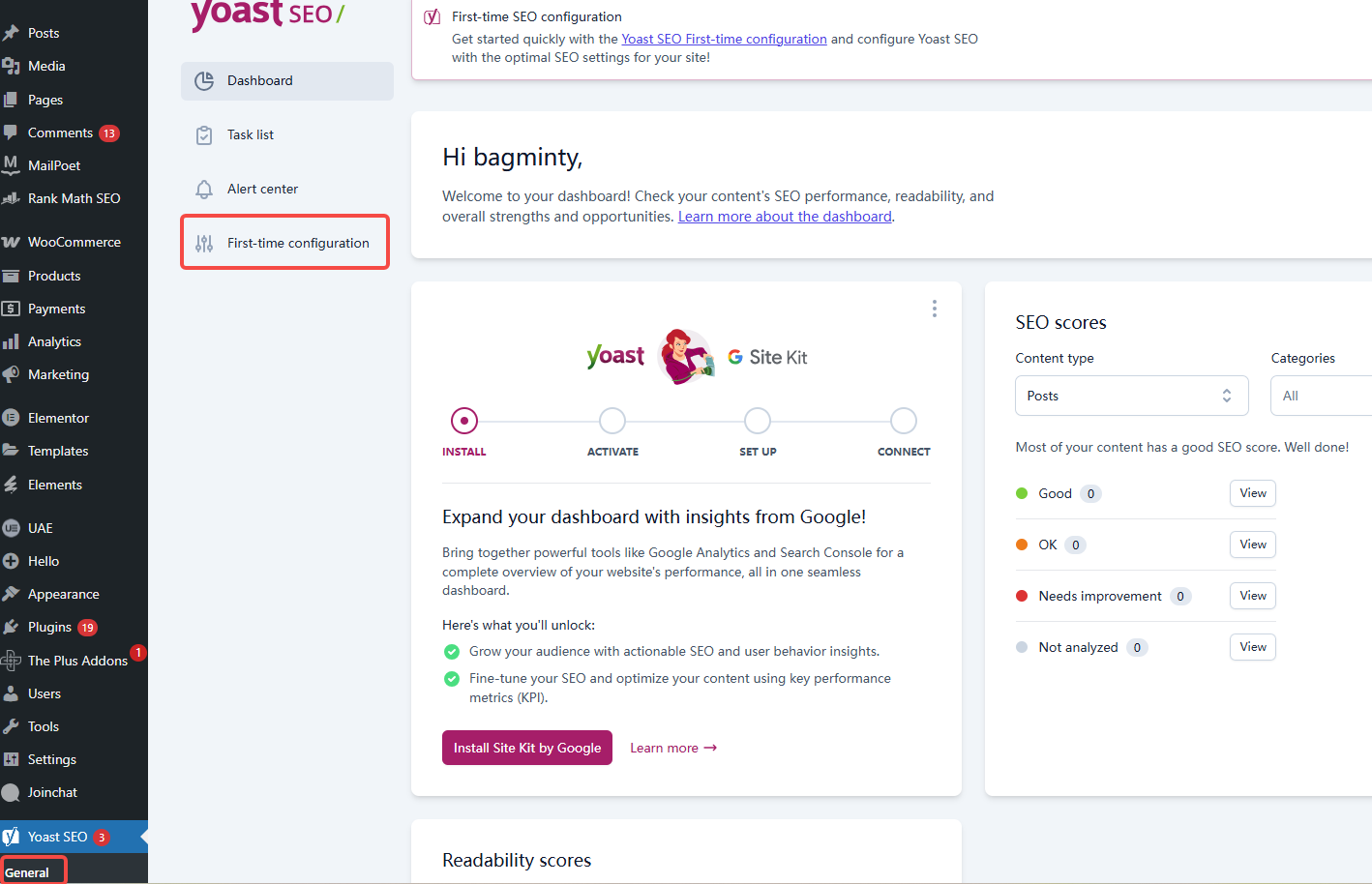
- SEO plug-in (software component): Optimize product pages for easier search engine inclusion.
![Image [3] - A complete guide to choosing an e-commerce plugin: an essential guide to building an efficient store](https://www.361sale.com/wp-content/uploads/2025/09/20250922105915143-image.png)
VIII. Combined with the size of the store and the stage of development to choose
Stores of different sizes rely on plug-ins to varying degrees:
- Start-up store: Recommend choosing a lightweight, easy-to-use plugin to help get online quickly.
- Growing Stores: You can gradually add marketing and data analysis plug-ins to improve competitiveness.
- Established StoresThe company is also in need of a comprehensive plug-in that integrates payment, logistics, CRM and other systems to create a complete operational system.
IX. Maintaining regular review and optimization
Plugin selection is not a one-time exercise. As the market and business changes, the installed plugins need to be reviewed periodically to see if they are still appropriate for the current needs.
If you find that certain plugins are redundant or not performing well, you should replace or uninstall them to keep your store running efficiently.
summarize
Selecting the rightE-commerce plug-inIt is a systematic work, need to combine their own needs, platform compatibility, functionality and scalability, as well as cost benefits and other factors for comprehensive consideration. A suitable plug-in can not only solve the immediate problem, but also lay a solid foundation for future development. For sellers who want to stand out in the e-commerce competition, the reasonable choice and use of plug-ins will become an important part of improving efficiency and enhancing competitiveness.

Link to this article:https://www.361sale.com/en/77196The article is copyrighted and must be reproduced with attribution.
















![Emoji[wozuimei]-Photonflux.com | Professional WordPress repair service, worldwide, rapid response](https://www.361sale.com/wp-content/themes/zibll/img/smilies/wozuimei.gif)

![Emoticon[baoquan] - Photon Wave Network | Professional WordPress Repair Services, Worldwide Coverage, Rapid Response](https://www.361sale.com/wp-content/themes/zibll/img/smilies/baoquan.gif)


 简体中文
简体中文  English
  日本語
日本語  Français
  Español


No comments