




After WordPress modifies the content, Google will re-crawl the page and re-evaluate the weight, if not handled properly, it may trigger the algorithm's "downgrade signal". This article will analyze WordPress The 5 most common SEO mistakes in content updates to help you avoid the pitfalls of unintentionally pulling down rankings.

First, frequent and significant changes in the title and keywords
In SEO, the title (Title) and keywords are the key factors that determine how search engines understand the topic of a page. Many webmasters will frequently change the title or modify keywords when optimizing articles, hoping to attract more clicks. But this behavior is often counterproductive.
![Images[2]- Search Plunge Warning! 5 Deadliest SEO Mistakes in WordPress Content Updates](https://www.361sale.com/wp-content/uploads/2025/10/20251029112929789-image.png)
Cause of the problem:
Google will assume that the topic of the page has changed and thus re-evaluate content relevance. Frequent title changes can lead to a drop in historical click-through rates and a weakening of CTR signals. If the title is changed too much, it may even be judged by the algorithm as "deceptive content adjustment".
Optimization Recommendations:
Keep the original keyword core, and just tweak it slightly. Do not change multiple keywords or title structure at once. Record the ranking changes after each modification to avoid blind adjustments.
Example of correct practice:
Change "WordPress SEO Optimization Tips" to "2025 Latest WordPress SEO Optimization Tips" This slight change preserves the original keyword weight while adding time attributes to improve click-through rates.
II. Deletion or rewriting of high-weight paragraphs
When revising old articles, many people will drastically delete old paragraphs or rewrite the structure in order to make the content "new". But this may directly affect the page's keyword coverage and semantic relevance.
Cause of the problem:
Keyword density contained in the original high-powered paragraph is broken. Old content may have been Google Internet company Inclusion and indexing, and sudden deletion can lead to "content match degradation". The overall TF-IDF (Keyword Importance Diagram) structure of the page is disrupted.
![Image [3] - Search Plunge Warning! 5 Deadliest SEO Mistakes in WordPress Content Updates](https://www.361sale.com/wp-content/uploads/2025/10/20251029113520735-image.png)
Optimization Recommendations:
Keep the original high-performing paragraphs and only optimize statements or add new information. Use Search Console to analyze which pages or paragraphs are generating clicks to avoid deleting core content by mistake. If a major update is needed, it is recommended to take a snapshot or save the old version before updating.
Tip:
You can use WordPress' Revisions feature to view and restore old content and prevent deletion of key paragraphs by mistake.
![Image [4] - Search Plunge Warning! 5 Deadliest SEO Mistakes in WordPress Content Updates](https://www.361sale.com/wp-content/uploads/2025/10/20251029113547652-image.png)
Third, frequent changes to the URL or fixed link structure
Many beginners try to make their URLs "prettier" by changing the permalink when updating, such as adding a date, removing a category, or changing the path.
However, this seemingly innocuous maneuver is actually SEO The beginning of a disaster.
![Image [5] - Search Plunge Warning! 5 Deadliest SEO Mistakes in WordPress Content Updates](https://www.361sale.com/wp-content/uploads/2025/10/20251029113815857-image.png)
Cause of the problem:
Link Equity will be lost if the URL is changed. Old URLs are already indexed by search engines and changing them will generate a lot of 404 errors.
External Backlinks (Backlinks) fail and the site's weight drops.
Optimization Recommendations:
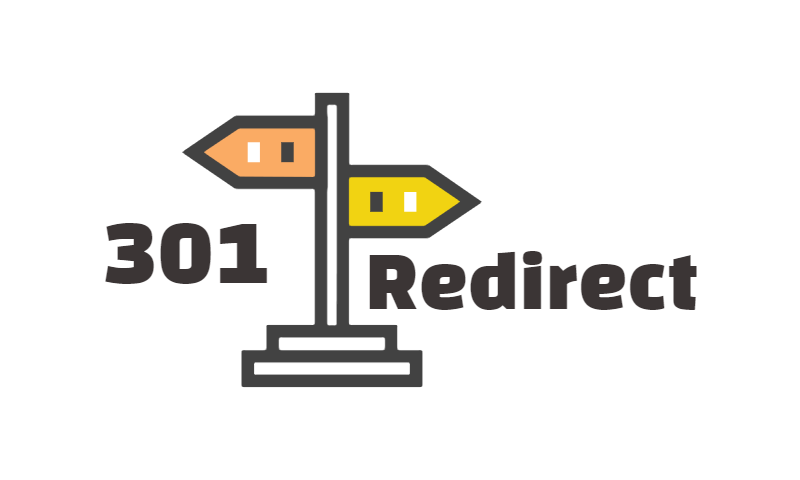
Do not change the URL unless absolutely necessary, and if you must, be sure to set up a 301 redirect to the new address. Check that the sitemap.xml and robots.txt are synchronized.
Reminder:
Google usually takes a few weeks to re-index new URLs, during which time traffic may briefly drop.
Fourth, ignore the impact of internal link structure
The internal linking structure of WordPress is described in the SEO plays an important role in. Many people remove links to old articles or fail to update anchor text when updating content, resulting in blocked internal weight transfer within the site.
![Image [6] - Search Plunge Warning! 5 Deadliest SEO Mistakes in WordPress Content Updates](https://www.361sale.com/wp-content/uploads/2025/10/20251029113944131-image.png)
Cause of the problem:
Deletion of old links leads to an increase in "isolated pages". Internal link anchor text no longer precisely matches the target keywords. Some pages are downgraded by search engines due to loss of link support.
Optimization Recommendations:
Scan for internal links with a plugin (like Rank Math or Yoast SEO) after each update. Keep internal links with high historical weight and update the anchor text.
Use WordPress "related posts" or "directory blocks" to enhance onsite connectivity.
Examples:
If you're in a "SEO Optimization guidelines" in the removal of links to "keyword research techniques", then the weight of this sub-article will also be reduced.
V. Failure to submit an index or site map in a timely manner after updating
Many webmasters update their content thinking that the search engine will automatically find the new version. In fact, there is a delay in Google crawling, and it can take weeks for updated content to be recognized if it is not manually submitted for indexing.
![Image [7] - Search Plunge Warning! 5 Deadliest SEO Mistakes in WordPress Content Updates](https://www.361sale.com/wp-content/uploads/2025/10/20251029123131798-image.png)
Cause of the problem:
New content is not indexed in time, search results still show the old version. The sitemap is not synchronized after update, affecting the crawler path. Site updates with low crawl frequency are difficult to recognize quickly.
Optimization Recommendations:
After each update, use Google Search Console → Check URL → Request Indexing. Make sure sitemap.xml Automatic updating (with Rank Math autocommit feature). Regularly check the Coverage Report at GSC for indexing anomalies.
Bonus Tip:
For WordPress sites that are updated frequently, you can set up a "timed Ping" feature to allow search engines to automatically receive update signals.
VI. Summing up: update "smart", not "chaotic"
WordPress Content updating is indeed a crucial step in energizing your website, but it should follow the SEO rhythm. Search engines are not afraid of modification, but "signal confusion". Keep the core structure stable, moderate adjustments, timely submission of the index, in order to ensure that the rankings steadily rise.
To make your WordPress content better and more stable the more you change it, remember these golden rules:
- Retain the original keyword core
- Don't change URLs
- Internal and external links to maintain
- Timely indexing requests after updates
- Observe the cycle of ranking changes and don't rush the process
When you master these techniques, modifying content is no longer a "risk" but an opportunity to improve SEO performance.

Link to this article:https://www.361sale.com/en/79324The article is copyrighted and must be reproduced with attribution.














![Emoji[wozuimei]-Photonflux.com | Professional WordPress repair service, worldwide, rapid response](https://www.361sale.com/wp-content/themes/zibll/img/smilies/wozuimei.gif)

![Emoticon[baoquan] - Photon Wave Network | Professional WordPress Repair Services, Worldwide Coverage, Rapid Response](https://www.361sale.com/wp-content/themes/zibll/img/smilies/baoquan.gif)


 简体中文
简体中文  English
  日本語
日本語  Français
  Español


No comments