






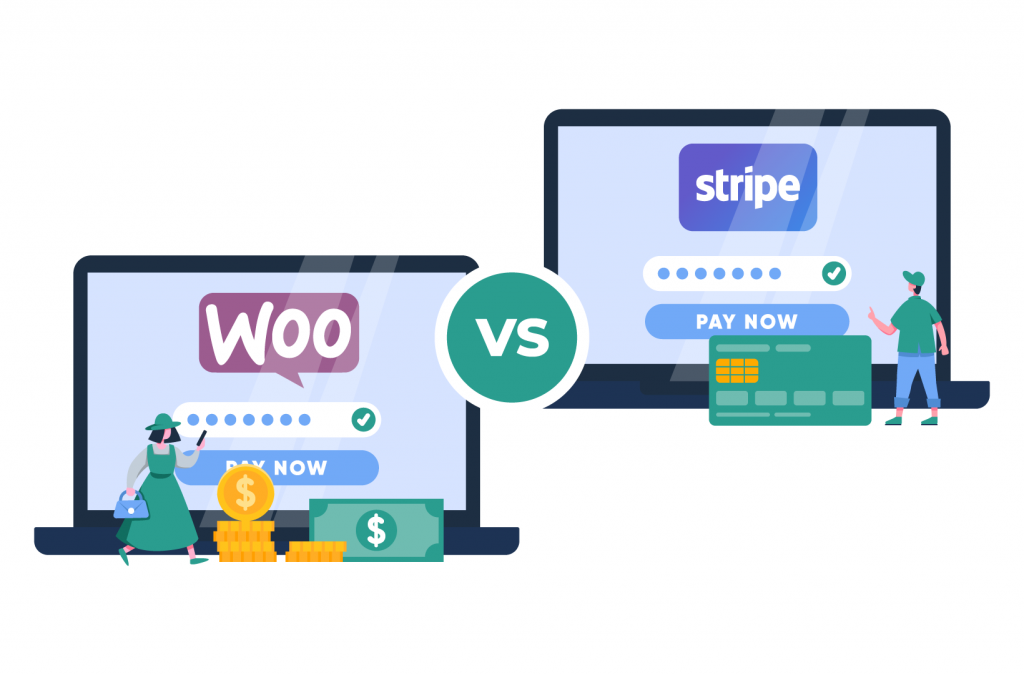
After using an image compression plugin, do I still need to pair it with a CDN? CDNCan we skip image optimization? Image Optimizer and CDN both seem to handle "image issues," but they actually manage different modules with entirely distinct objectives. Deploying both simultaneously isn't a simple stacking of features—it's a complementary functionality.
![Image [1] - Image Optimizer + CDN: Can It Really Double Speed? The Answer Is Surprising](https://www.361sale.com/wp-content/uploads/2025/11/20251128104131535-image.png)
Recommended plugins for pairing with Image Optimizer and CDN: ShortPixel Image Optimizer, Optimole, EWWW Image Optimizer, WP-Optimize.
1. What problems do Image Optimizer and CDN each solve?
1. The Core Function of Image Optimizer
Image Optimizer fundamentally optimizes images at the source. Its primary functions include:
- Reduce image size (compress JPG / PNG / WebP)
- Remove redundant metadata
- Convert to high-efficiency formats (such as WebP, AVIF)
- Automatically adapts to responsive sizes
- Batch Compress Historical Images in the Backend
The result is: individual images become smaller, the total amount of data sent by the server decreases, and the webpage itself becomes lighter.
2. What does a CDN do at the access layer?
CDN It doesn't alter the image itself, but rather changes "where the image comes from":
- Users pull resources from the nearest node.
- Reduce cross-border access delays
- Nodes automatically cache hot files
- Alleviate origin server bandwidth pressure
- Enhance stability under high-concurrency access
The advantage of CDN lies in the network distribution path, not in the image content itself.
Simply put: Image Optimizer handles "slimming down," while CDN handles "acceleration channels."
II. Why does using just one of them always feel like it's not enough?
![Image [2] - Image Optimizer + CDN: Can It Really Double Speed? The Answer Is Surprising](https://www.361sale.com/wp-content/uploads/2025/11/20251128105158840-image.png)
1. Only issues with Image Optimizer
Even if images have been compressed using Image Optimizer, files still need to be loaded directly from the source server, which leads to the following issues:
- Slow access for overseas users
- Peak hours are prone to lag.
- Server load is concentrated
- When there are many image requests, it is prone to timeouts.
Results:When users in the United States and Europe open the product page:
Each image still requires a cross-continent request.
The first-screen image often takes 3–6 seconds to load.
Users leave before images finish loading.
Core reason:Images are compressed but still loaded from the original server without distribution via nearby nodes.
2. The Hidden Risks of CDN Alone
If images are distributed via CDN without prior optimization for size and volume, the following risks may arise:
- The node caches large files.
- The initial load is still slow.
- Data traffic consumption surges dramatically
- Page load time is difficult to improve.
Results:
Loading speed is faster than before.
However, the CDN generates massive daily backhaul traffic.
Bandwidth costs surge
Core reason:CDN caches the "unoptimized original images," accelerating delivery but not reducing file size.
Therefore, this is not a "pick one or the other" situation, but rather "trim the fat first, then hit the highway."
III. Can Image Optimizer + CDN Truly Double Performance?
In actual deployment, this combination often delivers "exponential improvements":
1. Image download size significantly reduced
(coll.) fail (a student) WebP / AVIF + Compression enabled simultaneously:
![Image [3] - Image Optimizer + CDN: Can It Really Double Speed? The Answer Is Surprising](https://www.361sale.com/wp-content/uploads/2025/11/20251128110320880-image.png)
- The average image volume can be reduced by more than 501TB.
- The total resource size of the page has significantly decreased.
- TTFB and LCP improve simultaneously
2. Load paths are significantly shortened.
combining CDN After:
- Visits from Asia, Europe, and the Americas have declined simultaneously.
- Image requests no longer pile up on the main site.
- Repeat visits load almost instantly
3. Comprehensive improvement in SEO-related metrics
Mobile Experience:
- CLS is more stable
- FCP is faster
- Page bounce rate decreased
Search engines can crawl more easily:
- Image loading failure rate reduced
- Rendering success rate improved
IV. How to Combine Effectively Rather Than "Addition Without Synergy"?
Step 1: Compress first, then distribute
Must be done:
- Local images are first processed by Image Optimizer.
![Image [4] - Image Optimizer + CDN: Can It Really Double Speed? The Answer Is Surprising](https://www.361sale.com/wp-content/uploads/2025/11/20251128110500139-image.png)
- Output in a uniform format
- Push to CDN
Otherwise, the CDN will cache the "unoptimized original image."
Step 2: Avoid repeated compression
If the CDN includes built-in compression functionality, note the following:
- Only retain one layer of image compression
- Prevent blurring caused by secondary compression
- Format conversion retains only one source.
Step 3: Set a Reasonable Cache Duration
Recommendation:
- Static image cache for at least 30 days
- If the path contains a hash, it can be set to 1 year.
- Otherwise, it is prone to repeatedly fetching images from the source.
Step 4: Mobile-First Testing
Tested with real phones:
- First-screen load time
- Change in clarity
- Is image lazy loading enabled?
5. Which websites are best suited for this combination?
![Image [5] - Image Optimizer + CDN: Can It Really Double Speed? The Answer Is Surprising](https://www.361sale.com/wp-content/uploads/2025/11/20251128111257434-image.png)
Strongly recommended deployment types:
- cross-border e-commerce
- Image-based content site
- Blog Matrix
- Portfolio Showcase
- Websites with numerous SEO priority pages
Types that can be temporarily observed:
- Small Business Showcase Page
- Sites with fewer than 100 daily visits
- Text-Only Information Site
Summary: Is it "doubling"? It depends on deployment quality.
Strictly speaking, it is not a linear superposition, but rather:
- Image Optimizer Boosts Efficiency
- CDN Acceleration Channel
- The complementary amplification effect of both
When properly configured, the loading experience will typically:
- Significantly faster than using only one approach
- SEO Comprehensive improvement in indicators
- The user experience is highly noticeable.
What truly makes the difference isn't whether you use it, but whether you use it correctly.

Link to this article:https://www.361sale.com/en/81605/The article is copyrighted and must be reproduced with attribution.















![Emoji[wozuimei]-Photonflux.com | Professional WordPress repair service, worldwide, rapid response](https://www.361sale.com/wp-content/themes/zibll/img/smilies/wozuimei.gif)

![Emoticon[baoquan] - Photon Wave Network | Professional WordPress Repair Services, Worldwide Coverage, Rapid Response](https://www.361sale.com/wp-content/themes/zibll/img/smilies/baoquan.gif)


 简体中文
简体中文  English
  日本語
日本語  Français
  Español


No comments