




Elementor Pro It is a powerful page builder preferred by many developers and designers, but it is not uncommon for websites to load slower or lag after installation. This situation often raises concerns about its performance. In this article, we will analyze the real impact of Elementor Pro on website performance and provide some effective optimization methods to help you improve website speed and ensure a smooth user experience.
I. The Realities of Elementor Pro Performance Impacts
![Image[1]-Elementor Pro getting stuck? The ultimate optimization tips to boost your website speed are revealed!](https://www.361sale.com/wp-content/uploads/2026/01/20260120094433406-image.png)
While Elementor Pro offers more features, it may also have some impact on the performance of your website. Below are the main reasons that may lead to performance degradation:
- Additional functionality burden
Elementor Pro adds many powerful features such as a theme builder,WooCommerce Page support, dynamic content, etc. While these features are very useful, they also mean that more resources need to be called when the page loads, which can lead to slower loading. - Compatibility issues with other plugins
Elementor Pro sometimes conflicts with other plugins or themes, especially if you use multiple third-party plugins that may add additional HTTP requests or affect page rendering speed. - Use of a large number of media resources
Since Elementor offers rich design features, many users upload high-resolution images and videos. Unoptimized multimedia files can increase site load times and impact performance.
II. Key Factors in Elementor Pro Performance Optimization
To keep Elementor Pro running smoothly, here are some effective ways to optimize performance:
1. Optimize image and video resources
Images and videos tend to take up most of a website's loading time, and optimizing them is a top priority for improving site speed.
- Compress the picture: Using an online tool (such as TinyPNG) or a plugin (such as Smush) Compress image files to ensure a balance between image quality and file size.
![Image[2]-Elementor Pro getting stuck? The ultimate optimization technique to boost website speed is revealed!](https://www.361sale.com/wp-content/uploads/2026/01/20260120094507593-image.png)
- utilization WebP Format: The WebP format reduces the file size of images significantly compared to traditional PNG and JPEG formats for the same quality, thus speeding up loading.
- Enable lazy loading: Set up lazy loading feature to load images and videos only when the user scrolls to that part of the content, reducing the initial loading pressure.
2. Enabling Caching and Using CDNs
Caching and Content Delivery Networks (CDNs) are common techniques for improving the speed of websites.
- Use the cache plugin: as if WP Rocket or W3 Total Cache, which caches static content and avoids reloading pages on every visit.
![Image [3]-Elementor Pro getting stuck? The ultimate optimization technique to boost website speed is revealed!](https://www.361sale.com/wp-content/uploads/2026/01/20260120094754692-image.png)
- Enable CDN: Distribute static website resources (images, CSS files, etc.) to multiple nodes around the world via CDN to ensure that users load data from the nearest server and shorten response time.
3. Reduce the number of plug-ins
Too many plugins can slow down a website, especially those that load a lot of resources.
- Regularly review plug-ins: Disable plugins that are no longer in use to reduce unnecessary resource consumption.
- Choose efficient plug-ins: Use plugins that are optimized for good performance and avoid those that add unnecessary HTTP requests.
4. Optimization of databases
The performance of the database is critical to the loading speed of the website. Regular optimization of the database can improve its responsiveness.
- Delete junk data: clear up WordPress The revised version, deprecated data, and other useless information.
- Use database optimization tools: Plugins such as WP-Optimize can help you optimize your database and improve query efficiency.
![Image [4]-Elementor Pro getting stuck? The ultimate optimization technique to boost website speed is revealed!](https://www.361sale.com/wp-content/uploads/2026/01/20260120094912785-image.png)
5. Delayed loading of JavaScript and CSS
Loading JavaScript and CSS files without optimization may slow down the rendering of web pages.
- asynchronous loading JavaScript:: Using a plugin such as Autoptimize, you can load JavaScript files asynchronously to avoid blocking page rendering.
![Image [5]-Elementor Pro getting stuck? The ultimate optimization technique to boost website speed is revealed!](https://www.361sale.com/wp-content/uploads/2026/01/20260120094951103-image.png)
- Merge and compress CSS and JavaScript files: Reduce the number of HTTP requests and file size by combining multiple CSS and JS files into one and compressing them.
6. Choose a lightweight theme
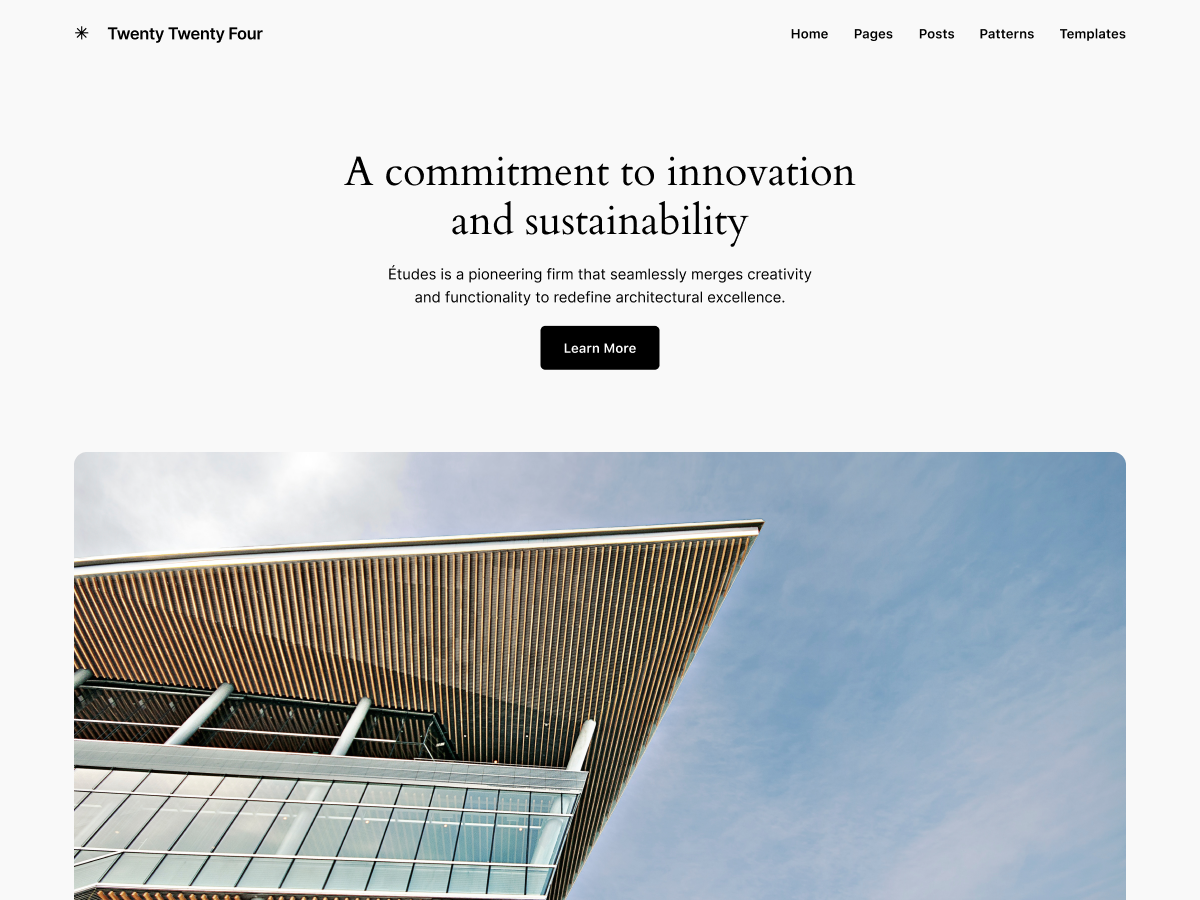
The choice of theme also affects the performance of Elementor Pro. Using a lightweight theme can effectively increase the loading speed of your website.
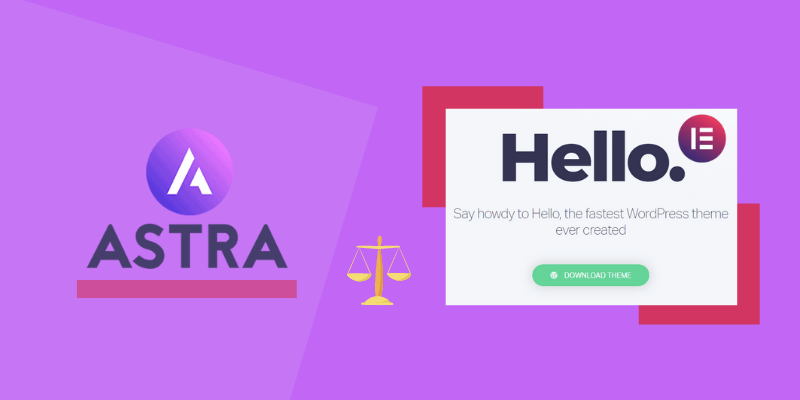
- Use a theme that is well optimized for performance: Choose lightweight themes such as Astra, GeneratePress, etc., which have cleaner code and load faster.
- Avoid over-customization: Don't overuse complex design effects and a lot of custom code that can affect the responsiveness of your website.
Conclusion:
(go ahead and do it) without hesitating Elementor Pro Provides powerful functionality, but may also affect site performance. Optimization measures such as compressing images, enabling caching, reducing plug-ins, and optimizing databases can significantly increase loading speed and improve user experience. We hope these methods help you improve website performance and keep your site efficient and smooth. If you have any questions, please feel free to contact photonfluctuation.com!

Link to this article:https://www.361sale.com/en/86048The article is copyrighted and must be reproduced with attribution.















![Emoji[wozuimei]-Photonflux.com | Professional WordPress repair service, worldwide, rapid response](https://www.361sale.com/wp-content/themes/zibll/img/smilies/wozuimei.gif)

![Emoticon[baoquan] - Photon Wave Network | Professional WordPress Repair Services, Worldwide Coverage, Rapid Response](https://www.361sale.com/wp-content/themes/zibll/img/smilies/baoquan.gif)


 简体中文
简体中文  English
  日本語
日本語  Français
  Español


No comments