




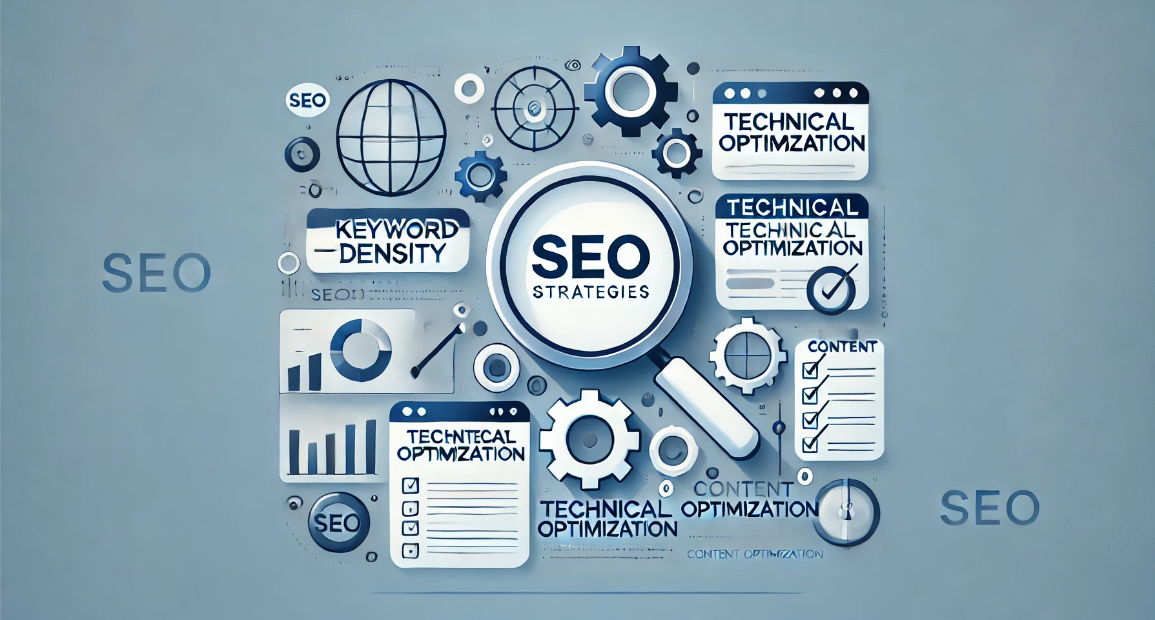
act asSEOWhen it comes to tools, it's easy to buy more and more, but rankings don't automatically get better. The real thing to do is to first sort out: what are the things that the free tools solve, and what capabilities do the paid tools buy for the extra money, and then make choices by site type.
![Image[1]-Free vs Paid SEO Ranking Optimization Tools Comparison: How to Buy a Website for Better Value](https://www.361sale.com/wp-content/uploads/2026/02/20260205094633285-image.png)
1) First, let's get this straight: what are the main categories of SEO tools?
There are five broad categories of common tools, and you're usually buying for one or two of these capabilities:
- Data and Indexing: look at indexing, display, clicks, query terms, page performance
- Technical medical examination: Crawl the entire site, looking for 404, redirect chains, duplicate titles, thin content, dead links, etc.
- Keyword & Ranking Tracking: Monitor daily/weekly fluctuations in rankings for target terms.
- External Links and Competitive Research: look at competing thesaurus, external link sources, content gaps
- Content Assist: give choice of topic, structure, semantic words, writing points
2) What does the free version do? What stages are appropriate?
The advantages of free tools areCredible data, low cost, quick to get started. Typical combinations are:
- Google Search Console: query terms, page exposure/hits, indexing status, site issue alerts
![Image[2]-Free vs Paid SEO Ranking Optimization Tools Comparison: How to Buy a Website for Better Value](https://www.361sale.com/wp-content/uploads/2026/02/20260205094848606-image.png)
- GA4: Traffic sources, page paths, conversion behavior
![Image [3] - Free vs Paid SEO Ranking Optimization Tools Comparison: How to Buy Better Value for Your Website](https://www.361sale.com/wp-content/uploads/2026/02/20260205095018398-image.png)
- PageSpeed Insights / Lighthouse: Speed and Core Performance Tips
![Image [4] - Free vs Paid SEO Ranking Optimization Tools Comparison: How to Buy Better Value for Your Website](https://www.361sale.com/wp-content/uploads/2026/02/20260205095142577-image.png)
- Bing Webmaster Tools: Supplemental search-side data, incidentally doing crawl diagnostics
![Image [5] - Free vs Paid SEO Ranking Optimization Tools Comparison: How to Buy Better Value for Your Website](https://www.361sale.com/wp-content/uploads/2026/02/20260205095222544-image.png)
These tools are better suited:
- New/small sites: Fewer pages, tighter budget, get the inclusions, title summaries, and onsite structure right first
- Local Service Station: Not a lot of words, focus on page quality, underlying technical issues, content matching intent
- small e-commerce company in a single category: SKUs are small, prioritize category pages, product page templates, and internal links to make them smooth!
The shortcomings of free tools are also clear:
- Incomplete data on competing thesaurus and outbound links
- Limited keyword coverage and slow word mining efficiency
- Automated reporting, batch tasks, weak teamwork skills
3) What does the paid version really add? Money spent on "saving time" and "watching the competition."
The most valuable part of a paid tool is usually two things:Larger database + Stronger batching and automation. Common gains include:
- Competitor benchmarking: what terms are rivals grabbing, which pages eat traffic, where are the content gaps
- External link analysis: source site, anchor text distribution, new/lost reminders, risky link checking
- Ranking tracking: see curves by country/city/device, with automatic alerts for unusual fluctuations
- Batch audits: multi-site, hundreds of thousandsURLCan also run and export task lists for team execution
- Report output: weekly/monthly reports are generated with one click for easy review
Simply put: free tools are more like "medical checklist" and paid tools are more like "medical check + competitor intelligence + automated pipeline".
4) Which type of website is more worth buying? Give conclusions by type
![Image [6] - Free vs Paid SEO Ranking Optimization Tools Comparison: How to Buy Better Value for Your Website](https://www.361sale.com/wp-content/uploads/2026/02/20260205095848485-image.png)
Here are the types of sites that are more likely to be "buy it and pay it back":
A. Multi-SKU e-commerce, cross-border sites, multi-language sites
The page volume is large, the problem is scattered, manual troubleshooting is slow; you also have to keep an eye on the category words/product words/long-tail words for a long time, and the competitors update very quickly.
Conclusion: better suited for paid tools (rank tracking + site crawling/auditing).
Recommended: GSC+GA4 (free) + Screaming Frog/Sitebulb (crawling) + SE Ranking/AccuRanker (tracking) + Semrush/Ahrefs (competing thesaurus, optional)
B. Content sites/evaluation sites/affiliate sites
Growth depends on the speed of selection: bulk digging for words, making clusters of topics, and tracking the direction of your opponents' explosive articles.
Conclusion: It's better to buy the "Keyword Bank + Competitive Research" type of paid tool.
Recommended: GSC (free) + Semrush/Ahrefs (thesaurus/gaps/competes) + AlsoAsked/AnswerThePublic (optional)
C. Official corporate website/local kiosk
Fewer pages and concentrated needs, focusing on service page content, title summaries, site structure, and basic technical fixes.
Conclusion: the free combo is enough in most cases; to pay for it get the lightweight rank tracking first.
RECOMMENDED: GSC + GA4 + PageSpeed (free) + Ubersuggest/SE Ranking Primer (tracking, optional) + BrightLocal (local, optional)
D. Cold start for new stations (budget-sensitive)
The first stage is more lack of content and structure, first run through the inclusion → exposure → click → conversion of the closed loop and then say.
Conclusion: start with free tools first, and upgrade when the word and page size comes up.
RECOMMENDED: GSC + GA4 + Bing WMT (free) + Screaming Frog free version (optional) + Semrush/Ahrefs + SE Ranking at a later date
5) Ideas for purchasing: buy only one main, then supplement with a specialization
Avoid stacking tools, use "1 main + 1 specialization" is the most stable:
- major integration: Doing competing products, word mining, external links, basic auditing, reporting
- specialization complement::
- Technical Crawl: Screaming Frog Class 1
- Content Assistance: Writing and Semantic Expansion Classes
- Pure rank tracking: lightweight tracker, just cover the key terms
Three things to self-check before buying:
- Is it the "speed of word digging", or "on-site ranking errors", or "keeping an eye on ranking fluctuations" that you lack the most?
- websiteURLDoes the size match the needs of the country area Tool Package?
- Does the team need to export tasks, share projects, and automate reports?
Conclusion: a word of advice
Smaller sites use the free portfolio to the max first; when you start needing competitive intelligence, batch processing, and automated tracking, then buy paid tools and spend money on efficiency and replicable growth processes.

Link to this article:https://www.361sale.com/en/86734The article is copyrighted and must be reproduced with attribution.










![Emoji[wozuimei]-Photonflux.com | Professional WordPress repair service, worldwide, rapid response](https://www.361sale.com/wp-content/themes/zibll/img/smilies/wozuimei.gif)

![Emoticon[baoquan] - Photon Wave Network | Professional WordPress Repair Services, Worldwide Coverage, Rapid Response](https://www.361sale.com/wp-content/themes/zibll/img/smilies/baoquan.gif)

 简体中文
简体中文  English
  日本語
日本語  Français
  Español


No comments