





arrange in order
The Ultimate WordPress SEO Guide: How to Quickly Boost Performance Using CMS Structure?
How to Optimize WordPress SEO? Explaining URLs, Sitemaps, robots.txt, and Structured Data Essentials from an Open-Source CMS Perspective Includes a Ready-to-Use Checklist to Improve Indexing and Rankings

In-Depth Analysis: How to Improve SEO Compatibility Using GenerateBlocks?
Use GenerateBlocks to build clear heading hierarchies and modular structures. Master container-based modularity and grid-based card layouts to make articles easier to scan, more understandable, and more favorable for indexing and ranking.

Loop Grid Pagination/Load More/Infinite Scrolling: Impact on SEO and User Experience (Simplified Version)
Should you use pagination, load more, or infinite scrolling for looping grids? This article clearly explains their differences in SEO indexing and browsing experience in simple terms, and provides recommendations for category pages, portfolios, and product lists.
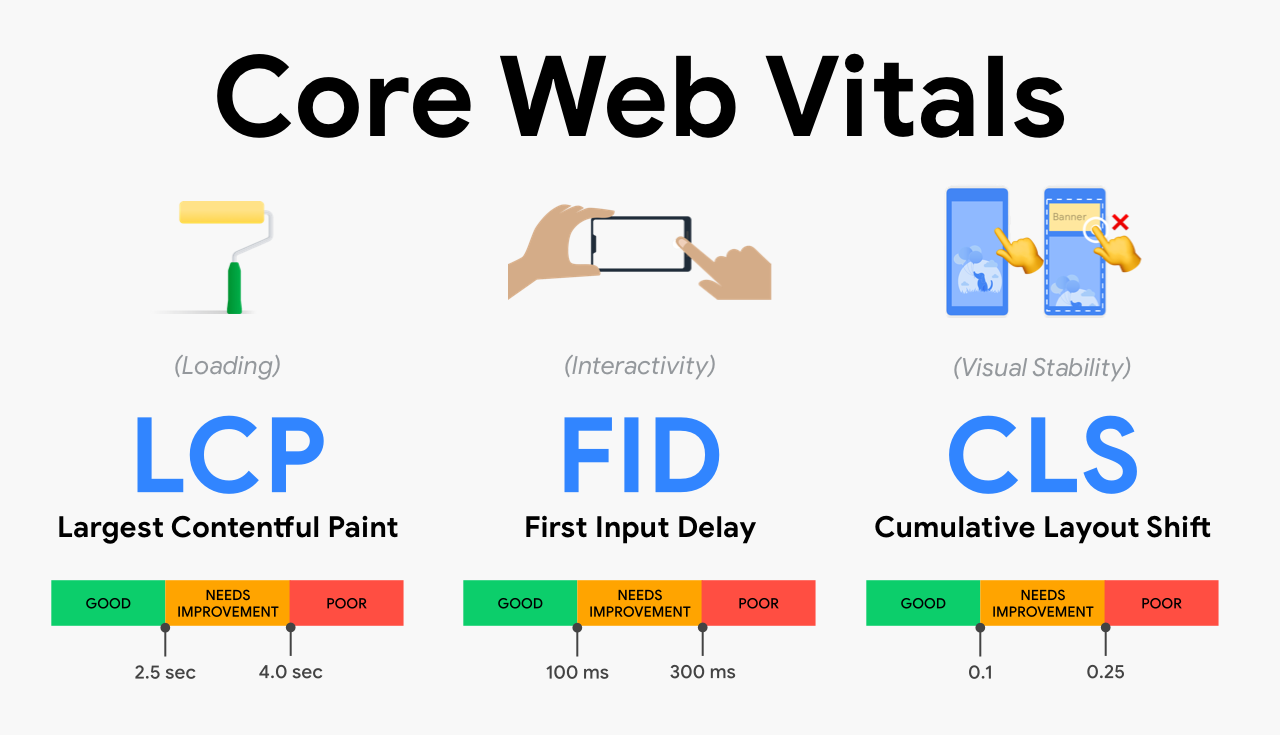
How Do Core Web Vitals Truly Improve After Converting WordPress Images to WebP?
This article provides an in-depth analysis of the actual role of the WebP image format on WordPress websites. Starting from the calculation logic of Core Web Vitals, it focuses on explaining the real impact of WebP on LCP, INP, and CLS, and provides reproducible best practices for its correct implementation. This helps webmasters avoid unnecessary...
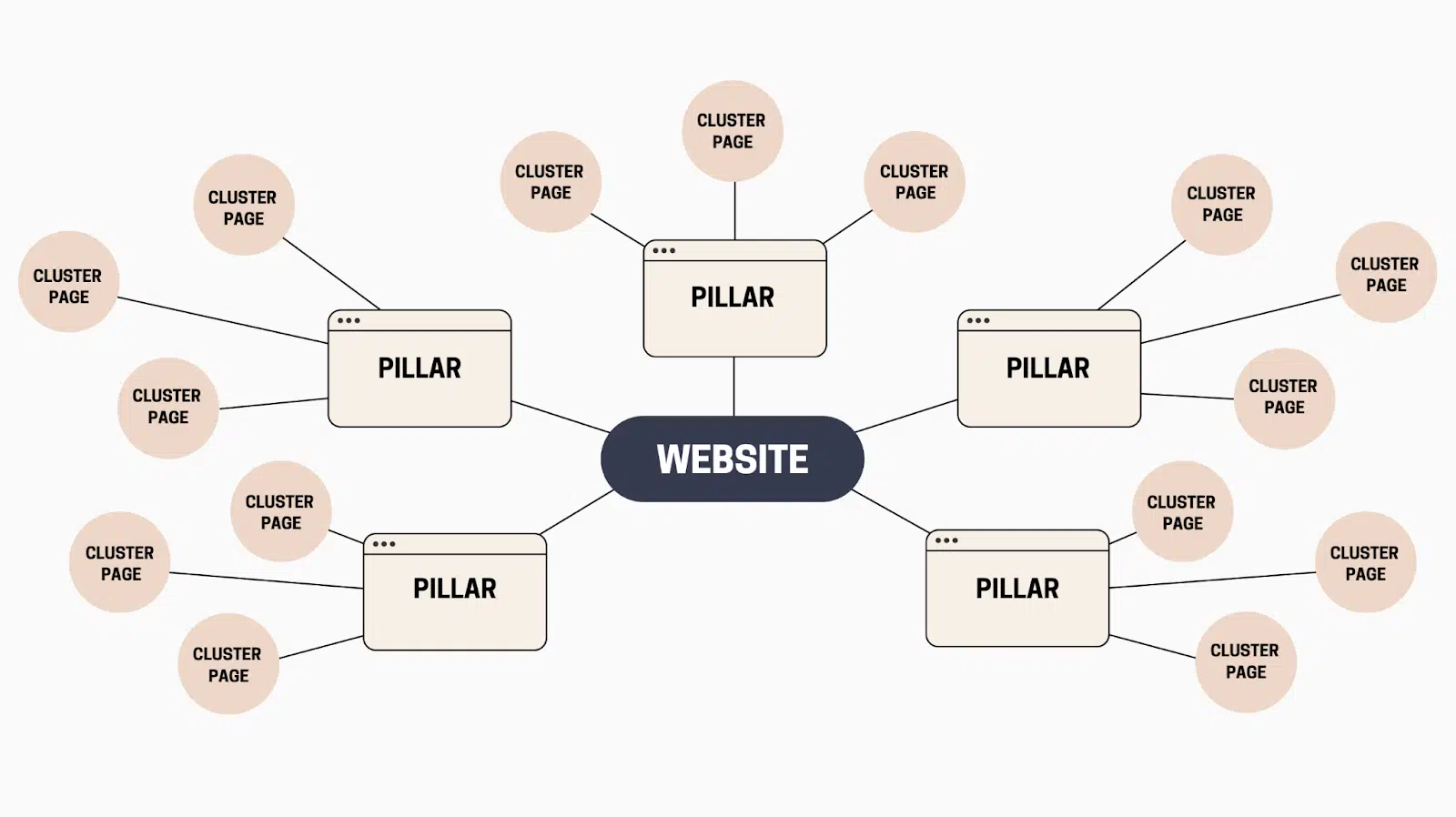
The relationship between internal links and keywords: how to use internal links to string rankings into a system
Speak clear keyword layering, anchor text writing and link path design, master the rules of internal link layout, the station page string into a stable ranking system.
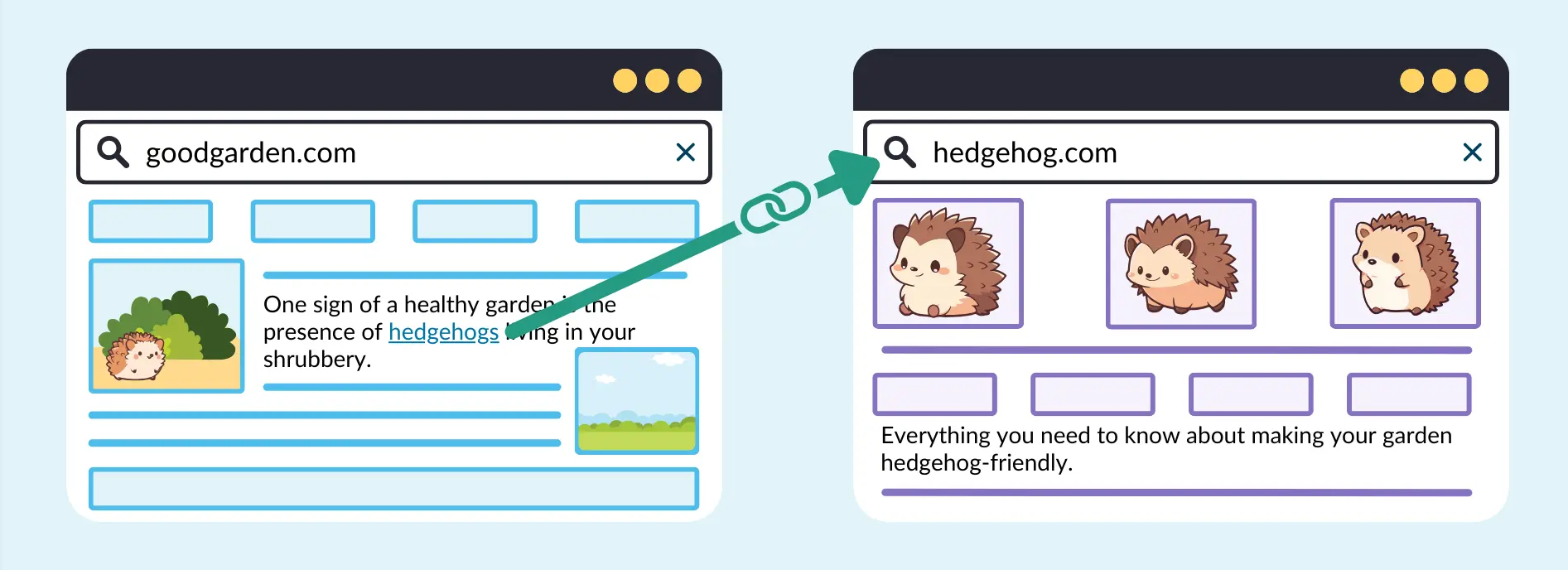
How to write anchor text for internal links: where to put the keywords to be natural and effective
It explains how to write anchor text for internal links, whether keywords should be placed in the body, title or module position more naturally, with the type of anchor text that can be directly applied and the writing process.
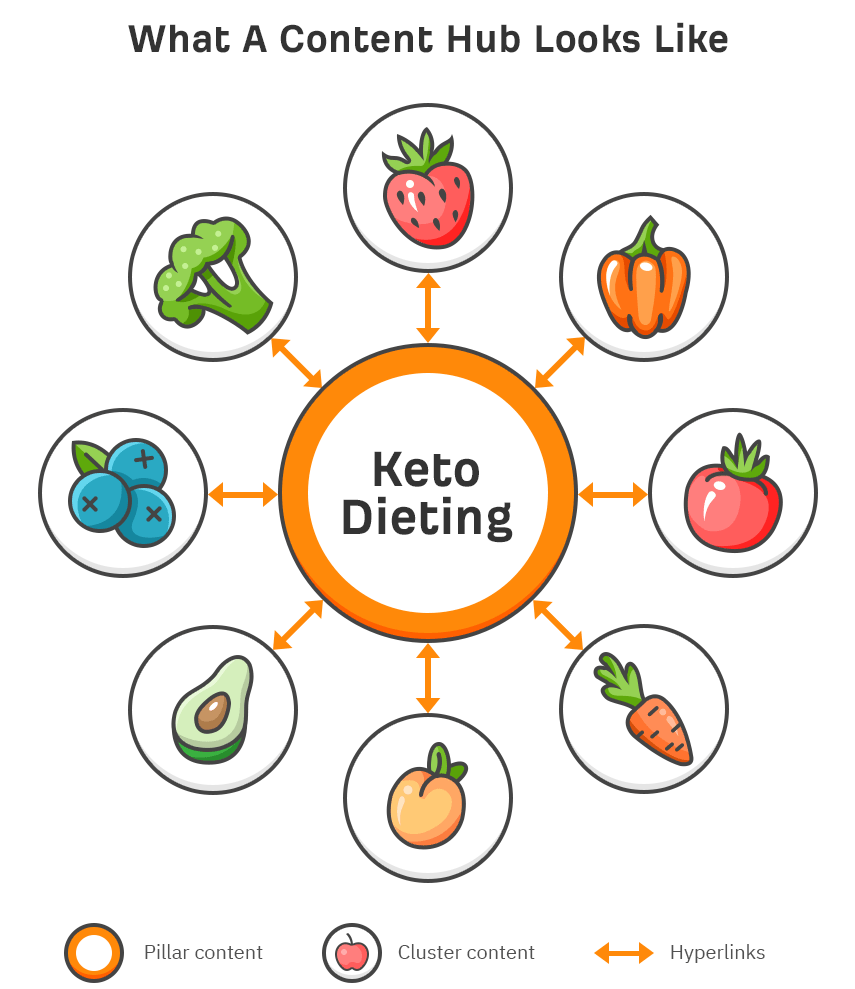
Keyword cluster internal link structure: how a set of words corresponds to a set of pages with links
Explain the practice of keyword cluster internal linking structure: how to split pages by intent, set up Hub and branch pages, and plan internal linking paths and anchor text so that a group of words forms a sustainable ranking system.

Product page internal linking strategy: so that category pages, collection pages and product pages together to drive the conversion of word rankings
Explain the division of labor and link paths between category pages, collection pages, and product pages, and give anchor text and key position tables to help convert word rankings to be more stable and reproducible.
Tutorial article internal link layout: using problematic links to make long-tail keywords into sustained traffic
Around the tutorial article internal chain layout, tell the problem link how to plan anchor text and page hierarchy, drive the long-tail words stable ranking and sustained traffic, and give the layout steps that can be directly landed.

How to Write a Black Friday Price Comparison Chart Without Falling into Pitfalls (Including Disclaimers and Update Strategies)
How to Write a Black Friday Price Comparison Chart Without Falling Into Pitfalls? Use a consistent methodology to break down shipping and tax fees, clearly state coupon stacking rules, include disclaimers and update policies, and enable readers to verify prices by replicating the checkout page.
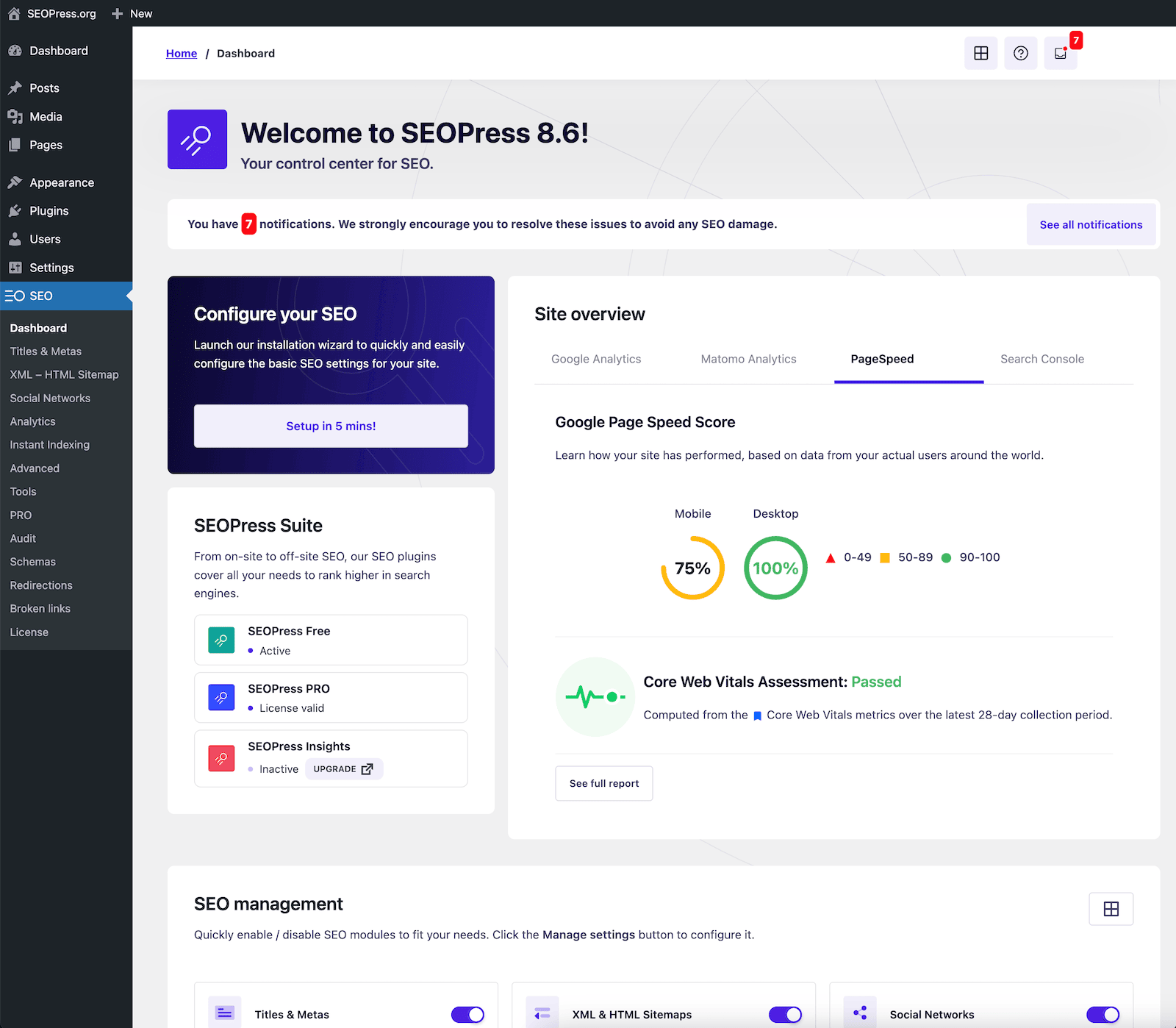
The Integration of AI Writing and SEO: Yoast's Analysis vs. SEOPress's Lightweight Workflow—Which is Better Suited for Content Production in 2026?
How Can AI Writing and SEO Collaborate Efficiently in 2026? Comparing Yoast's Analysis Tips with SEOPress's Lightweight Workflow Providing Key Considerations for Team Selection, Publishing Workflow, and Implementation.

Semantically Related Word Optimization: An NLP Approach from "Topic Coverage" to "Paragraph Landing Points"
Explain the two main approaches to optimizing semantically related keywords: topic coverage and paragraph placement. Utilize three distinct categories—long-tail keywords, question-based keywords, and colloquial terms—to provide a reusable writing process and a checklist of pitfalls to avoid.