





arrange in order

Elementor Secure Mode Support for Large-Scale E-Commerce Sites: Ensuring Stability at High Traffic Volumes
In-depth analysis of how Elementor's security model helps large-scale e-commerce websites maintain stable operation in high-traffic scenarios, covering design troubleshooting, plug-in conflict handling, performance optimization, and deployment recommendations to help build an efficient e-commerce experience.

WordPress website loading slowly? Practical Optimization Advice Revealed
Teach you step-by-step to optimize your WordPress website speed, including cache settings, image compression, CDN usage and database cleanup, to improve your visitor experience and search ranking.

Building a High-Performance WordPress Website: Blocksy Subtheme + Cache Optimization Practices
Optimize for faster page loads and more efficient WordPress site performance with the Blocksy child theme and caching plugin.

Professional WordPress patches: the key to ensuring website security and performance
Learn how to improve your site's security, fix vulnerabilities, and optimize performance by installing WordPress patches on a regular basis. This article provides a complete guide on WordPress core, plugin, and theme updates to help you keep your website running stably.

How to Fix WordPress Gutenberg Editor Lag? The Ultimate Optimization Guide
Gutenberg editor running slowly? This article provides professional solutions, from browser optimization to server configuration, to completely solve the WordPress Gutenberg editor lagging problem! Contains PHP settings, plug-in management, cache optimization and other latest optimization techniques.

Free WordPress Knowledge Base Theme Download: Build the Perfect Self-Service Platform
Discover how to create a powerful self-service platform with a free WordPress knowledge base theme. This article provides detailed theme recommendations, installation tutorials and optimization tips to help you easily build an effective knowledge base website.

Imagify vs Smush: A Comparison of the Best WordPress Image Optimization Plugins for 2025
This article compares two popular WordPress image optimization plugins: Imagify and Smush.We analyze their core features, ease of use and performance to help users choose the plugin that best suits their needs.Imagify is suitable for users who need higher compression effects and customization options,...

Slow Loading Website?5 Simple Steps to Optimize WordPress Website Speed
Learn 5 simple but effective optimization tips for boosting WordPress website loading speed, including ways to choose a lightweight theme, enable caching plugins, optimize images, use a CDN and enable GZIP compression. Boost website speed, improve user experience, and boost SEO rankings.
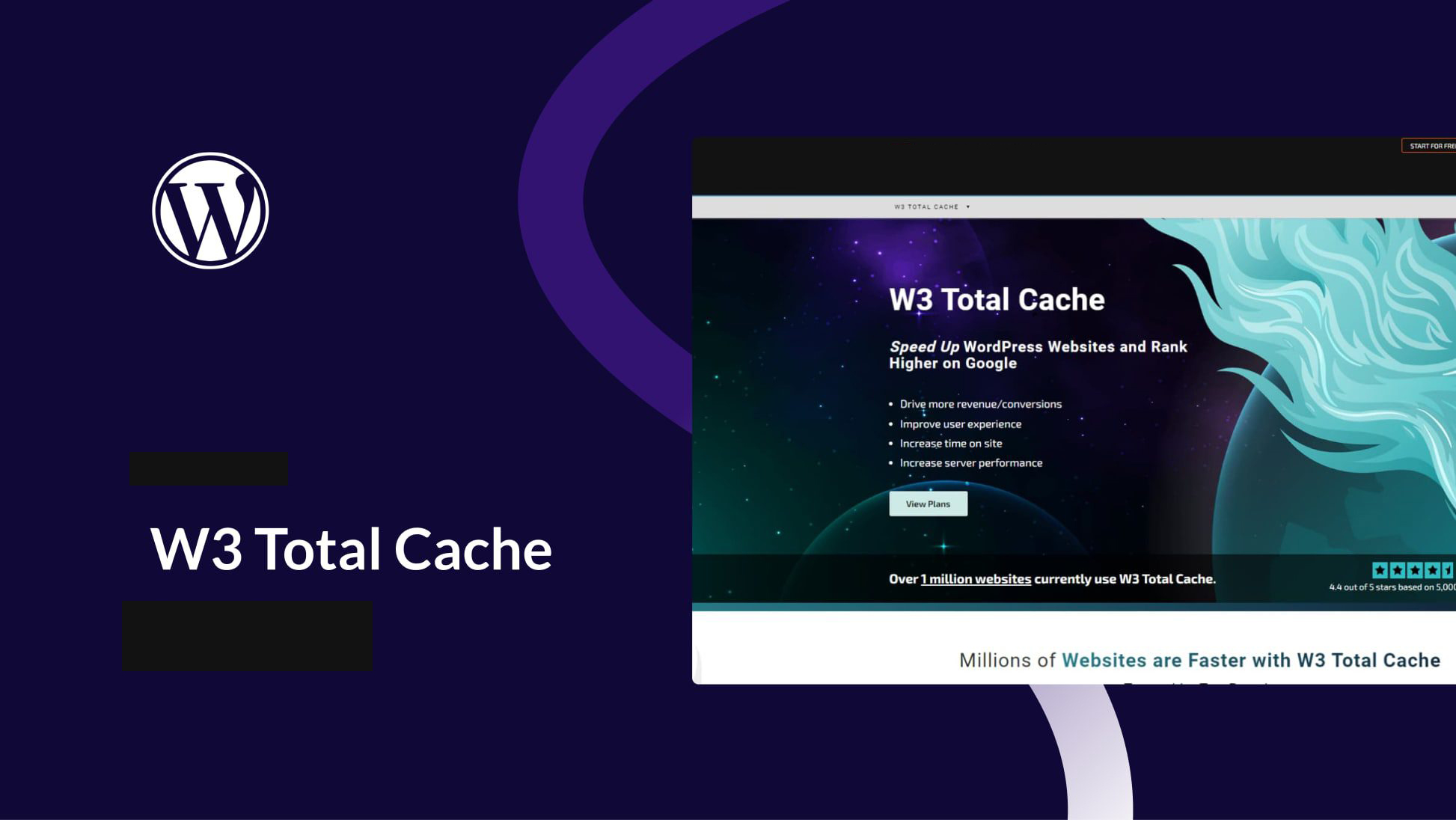
WordPress Caching Plugin Recommendation: The Secret Weapon to Speed Up Your Website W3 Total Cache
Learn how to optimize WordPress website caching with the W3 Total Cache plugin to increase load speeds, reduce customer churn, and improve site performance with CDN integration and compression optimization.

Perfmatters: The Ultimate WordPress Website Performance Optimizer
Perfmatters is a performance optimization plugin designed for WordPress to significantly improve website speed and user experience by disabling unnecessary features, optimizing script loading and delayed loading. Suitable for all kinds of websites, especially foreign trade and e-commerce platforms, Perfmatters...

How to integrate a CDN into a CMS website (e.g. WordPress)
This article describes how to integrate a CDN into a WordPress website to help improve site loading speed, reduce latency, and enhance security. It includes detailed steps on choosing the right CDN provider, installing plugin configurations, and more to help optimize website performance.

How to reduce HTTP requests in WordPress?
We have found that reducing HTTP requests has an impact on loading speed. Whenever someone visits a website, their browser sends a request to the web server to download all the files needed to display the page, including images, stylesheets and scripts. Each HTTP request adds...





