




![Image [1] - Easily Build Highly Customizable Online Stores with WooCommerce and Elementor: A Complete Guide - photonwave.com | Professional WordPress Repair Service, Global Reach, Fast Response](https://www.361sale.com/wp-content/uploads/2024/07/2024073006115376.png)
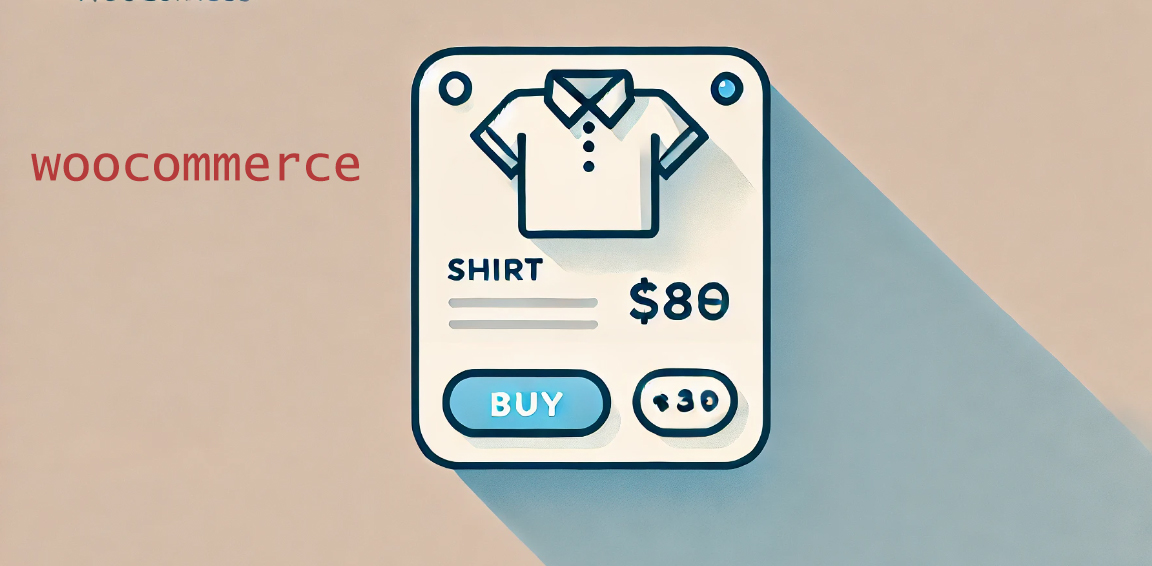
Building an online store with WordPress is easy with the powerful eCommerce features of WooCommerce and the flexible, no-code design of Elementor. This guide will walk you through how to use WooCommerce in conjunction with Elementor, starting with installation and customization to ensure perfect compatibility and improved functionality.
WooCommerce makes it easy to manage products and transactions, while Elementor allows you to visually customize your store to match your brand's style, ultimately increasing user engagement and conversions. This combination provides a powerful platform for building successful online stores.
Getting Started with WooCommerce and Elementor
What is it? WooCommerce
WooCommerce is a powerful and customizable WordPress e-commerce platform that allows you to sell your products and services online. It is designed to work seamlessly in WordPress as a plugin, transforming your website into a fully functional online store.
What is it? Elementor
Elementor is a dynamic drag-and-drop page builder that lets you intuitively design WordPress websites without writing code.Elementor Pro is the premium version, offering advanced design features and additional e-commerce functionality.
Compatibility between WooCommerce and Elementor
![Image [2] - Easily Build Highly Customizable Online Stores with WooCommerce and Elementor: A Complete Guide - photonwave.com | Professional WordPress Repair Service, Global Reach, Fast Response](https://www.361sale.com/wp-content/uploads/2024/07/2024073006131998.png)
WooCommerce is fully compatible with Elementor, thanks to Elementor's strong support for WordPress plugins and the flexibility of WooCommerce as an eCommerce platform.Elementor provides a set of specialized WooCommerce widgets and features designed to work seamlessly with Elementor offers a dedicated set of WooCommerce widgets and features designed to work seamlessly with WooCommerce, allowing users to intuitively customize and manage their online store without writing any code.
Benefits of using Elementor with WooCommerce
- Visual Customization
- Enhanced Product Showcase
- Increase Conversion Rate
- Simplify store management
Installing WooCommerce on a WordPress Website
Install WooCommerce:
- In the WordPress Info CenterNavigate to Plugins > Add New PluginThe
- In the search bar type WooCommerceThe
- Click on the WooCommerce plugin's "Installation".
- After installation, clickactivateThe
![Image [3] - Easily Build Highly Customizable Online Stores with WooCommerce and Elementor: A Complete Guide - photonwave.com | Professional WordPress Repair Service, Global Reach, Fast Response](https://www.361sale.com/wp-content/uploads/2024/07/2024073003413582.png)
The WooCommerce Installation Wizard will launch to guide you through the basic configuration of your online store. Use the installation wizard to set up WooCommerce.
Installing Elementor and Elementor Pro
- In the WordPress dashboard go toplug-in (software component) > Add New PluginThe
- look for sth. Elementor and install it.
- Activate the plugin after installation.
- with regards to Elementor ProIf you have a plugin, purchase it from the Elementor website and then upload and activate it on your site.
Activate WooCommerce Widget for Elementor
Enable WooCommerce integration in Elementor settings.
- switch to Elementor > set up > integrated (as in integrated circuit)The
- Make sure to enable the WooCommerce integration to unlock specific widgets for your online store.
![Image [4] - Easily Build Highly Customizable Online Stores with WooCommerce and Elementor: A Complete Guide - photonwave.com | Professional WordPress Repair Service, Global Reach, Fast Response](https://www.361sale.com/wp-content/uploads/2024/07/2024073003433097.png)
Design your online store
When building an eCommerce website with WooCommerce and Elementor, it's important to focus on aesthetics, functionality, and user experience. Your design choices will have a direct impact on your customers' shopping experience.
1. Select and apply WooCommerce Elementor theme.
Choosing the right theme for your e-commerce site isn't just about aesthetics; it's also about making sure your online store is both practical and user-friendly.
Select Topic
When choosing a theme, be sure to balance form and function.
- Finding specific compatibility: Start by searching for themes designed for WooCommerce and compatible with Elementor.
- Check for feature support: Make sure the theme supports all key WooCommerce features.
- Responsive and mobile-optimized: choose a responsive theme that adapts well to various screen sizes.
- Sources to Consider: Reliable sources for themes include the WordPress Theme Library and premium theme marketplaces like ThemeForest.
Application Topics
After choosing a theme, the next step is to apply it to your website.
- In the WordPress Information Center, navigate to theAppearance > ThemesThe
- Click Add New at the top of the page and search for your theme or upload a theme of choice.
- To upload, click on "Upload a topic", select the theme's .zip file, and click "Installation".
- After installation, click "activate"Set the new theme as the active theme for the site.
![Image [5] - Easily Build Highly Customizable Online Stores with WooCommerce and Elementor: A Complete Guide - photonwave.com | Professional WordPress Repair Service, Worldwide, Fast Response](https://www.361sale.com/wp-content/uploads/2024/07/2024073003452085.png)
2、Use Elementor to customize key pages
After applying the theme, the next critical step is to customize key pages. elementor's drag-and-drop interface simplifies this process, allowing you to effectively personalize your site.
Creating a Basic Page
Start by creating the basic pages needed for each e-commerce site:
- Home Page: Highlight your brand, best-selling products and current promotions.
- Store page: displays your product catalog, which should be easy to navigate and contain filters that allow you to categorize products by various criteria.
- Product pages: Each product needs its own page with detailed descriptions, pricing information and high quality images.
- Shopping cart and checkout pages: streamline the buying process, which should be simplified to prevent cart abandonment.
- My Account Page: allows returning customers to manage their information, view past orders, and track current orders.
Customizing Store Pages with Elementor
![Image [6] - Easily Build Highly Customizable Online Stores with WooCommerce and Elementor: A Complete Guide - photonwave.com | Professional WordPress Repair Service, Global Reach, Fast Response](https://www.361sale.com/wp-content/uploads/2024/07/2024073005554832.png)
To adjust the appearance of a store page, access Elementor's customization features. Navigate to Pages and select the store page you want to edit. With Elementor, you can drag and drop elements to design the layout of your store. Customize fonts, colors, and add special widgets designed for WooCommerce to enhance the functionality of the store page.
Create customized product pages
To create unique product pages:
- switch toTemplates > Theme BuilderThe
![Image [7] - Easily Build Highly Customizable Online Stores with WooCommerce and Elementor: A Complete Guide - photonwave.com | Professional WordPress Repair Service, Global Reach, Fast Response](https://www.361sale.com/wp-content/uploads/2024/07/2024073005572853.png)
- Click "Add New" and select the single product template.
- Use Elementor's widgets to add product titles, images, descriptions and add to cart buttons. Personalize each element to align with your brand and ensure a unique shopping experience for your customers.
![Image [8] - Easily Build Highly Customizable Online Stores with WooCommerce and Elementor: A Complete Guide - photonwave.com | Professional WordPress Repair Service, Worldwide, Fast Response](https://www.361sale.com/wp-content/uploads/2024/07/2024073005580880.png)
Designing checkout and shopping cart pages
For a consistent design throughout your online store, use Elementor to customize your checkout and shopping cart pages. Navigate to WooCommerce > Settings > Checkoutto start customizing. Combine brand colors and fonts to create a unified look and build confidence during the checkout process.
Utilizing templates and plug-ins
Elementor offers pre-designed templates and a variety of plug-ins that can speed up the design process. These resources provide you with professional layouts and additional features such as product filters or quick view modes. These templates can be found in the Elementor editor, and additional functionality can also be found through the dedicated plug-ins section.
Managing products and content
When integrating WooCommerce with Elementor, the ability to efficiently manage products and content is key to creating an attractive online store. This section will help you through the steps needed to add products, categorize products, set up product variants, and enhance product pages with widgets.
1. Add and manage entities and digital products
WooCommerce allows for a wide variety of products to be offered, whether it's a physical object that needs to be shipped or a digital download.
- To add a new product, go to the WooCommerce dashboard and chooseProducts > Add New Products. Here, product details such as title, description, price and images can be provided. Be sure to specify whether the product is a physical or digital product under the Product Data section. If it is a digital product, you can choose to upload the file that the customer will receive after purchase.
![Image [9] - Easily Build Highly Customizable Online Stores with WooCommerce and Elementor: A Complete Guide - photonwave.com | Professional WordPress Repair Service, Global Reach, Fast Response](https://www.361sale.com/wp-content/uploads/2024/07/2024073005595193.png)
2. Configuration of product categories
Categorizing products is essential for a user-friendly shopping experience. To create a new category, navigate to Products and then to Categories. Enter a name for the new category, add an optional description and, if relevant, an image. Categories help customers quickly find what they're looking for and allow you to display specific product groups on your WooCommerce store pages using the Elementor widget.
![Image [10] - Easily Build Highly Customizable Online Stores with WooCommerce and Elementor: A Complete Guide - photonwave.com | Professional WordPress Repair Service, Worldwide, Fast Response](https://www.361sale.com/wp-content/uploads/2024/07/2024073006002390.png)
3、Set product variants and attributes
Attributes and variants will be used if you have multiple options for your product, such as size or color. In the "Add New Product" page, select "Product Data", and then select from the drop-down menu "Variable Products".
![Image [11] - Easily Build Highly Customizable Online Stores with WooCommerce and Elementor: A Complete Guide - photonwave.com | Professional WordPress Repair Service, Global Reach, Fast Response](https://www.361sale.com/wp-content/uploads/2024/07/2024073006010914.png)
- Under the "Properties" section, you can add details such as size or color, and then use the "morph" tab to define specific combinations of these attributes with different SKUs, prices, or inventory levels.
![Image [12] - Easily Build Highly Customizable Online Stores with WooCommerce and Elementor: A Complete Guide - photonwave.com | Professional WordPress Repair Service, Global Reach, Fast Response](https://www.361sale.com/wp-content/uploads/2024/07/2024073006013595.png)
4, the use of widgets to enhance the product page
Elementor's powerful widgets can enrich your product pages beyond the standard WooCommerce layout. Go to the desired product page and click Edit with Elementor. Using Elementor's drag-and-drop interface, you can customize product titles, images, prices, and add-to-cart buttons. Widgets specific to WooCommerce, such as product ratings and related products, can be added to enhance your product archive pages and individual product presentations.
Optimize shopping experience
Creating a smooth and intuitive shopping experience is critical to encouraging purchases and minimizing cart abandonment, and Elementor provides a suite of tools that can be used to enhance your WooCommerce store.
1. Simplify the checkout process
The checkout process should be fast and smooth to keep your customers interested. Design your checkout page visually with Elementor Pro's Checkout widget. Here, remove unnecessary fields and steps and save valuable time by allowing your customers to smoothly complete the purchase process using features such as auto-complete address fields.
2. Integration of transportation and payment options
Set up shipping options in WooCommerce.
- Easily selecting shipping and payment at checkout is critical. Customize your shipping options in your WooCommerce settings, then display them clearly on checkout pages designed with Elementor. Integrating multiple payment gateways to provide options for credit cards, PayPal, and more ensures that your customers can pay the way they prefer.
![Image [13] - Easily Build Highly Customizable Online Stores with WooCommerce and Elementor: A Complete Guide - photonwave.com | Professional WordPress Repair Service, Global Reach, Fast Response](https://www.361sale.com/wp-content/uploads/2024/07/2024073006025190.png)
![Image [14] - Easily Build Highly Customizable Online Stores with WooCommerce and Elementor: A Complete Guide - photonwave.com | Professional WordPress Repair Service, Global Reach, Fast Response](https://www.361sale.com/wp-content/uploads/2024/07/2024073006045470.png)
3. Implementation of up-selling and related products
Boost your revenue by offering related products or upsells. On your website, especially on product pages and during the checkout process, subtly place related items or upgrades "Add to cart" button.Elementor allows these suggestions to be strategically placed and customized to match your overall design and enrich your customer's cart content.
4. Adjust the phone and tablet view
A lot of eCommerce traffic comes from mobile devices. Use Elementor's visual design tools to ensure your WooCommerce store is responsive on all devices. Test your designs on multiple screen sizes and tweak layouts and elements like text sizes and buttons to maintain the same seamless user experience on a phone or tablet as on desktop.
Integration and Enhancement
As you dive into the world of eCommerce with WooCommerce and Elementor, integrating external services and leveraging analytics can improve store performance. Protecting your website further protects your business and builds customer trust.
1. Connection to external services
It's possible to connect your WooCommerce store to a variety of external services to extend the functionality of your store. This includes adding payment gateways like PayPal or Stripe, setting up shipping through services like FedEx or UPS, and even syncing with marketplaces like Amazon to expand your reach. With Elementor Pro, it's easy to integrate subscription services and manage your domain and hosting requirements.
- Payment gateways: including PayPal, Stripe.
- Transportation services: contact FedEx, UPS.
- MARKETPLACE: Synchronize with Amazon for increased exposure.
- Subscriptions: Manage recurring payments through Elementor Pro.
2. Using analytics to gain performance insights
Analytics plays a crucial role in understanding your eCommerce performance. By integrating tools like Google Analytics with WooCommerce, customer behavior can be tracked and analyzed to help you make data-driven decisions. Available analytics reports provide valuable insights into your website traffic, conversion rates, and sales patterns.
- Google Analytics : Track customer behavior, conversion rates.
- Performance reporting: insights into traffic and sales patterns.
3. Protect your e-commerce site
In the world of e-commerce, security is non-negotiable. An important step is to ensure that your website has an SSL certificate for encrypting data. This helps protect sensitive information such as customer details and payment transactions. For WooCommerce, update your plugins and themes on a regular basis to protect your site from vulnerabilities and thus provide a secure shopping experience for your customers.
- SSL Certificate: Encrypt customer data, secure transaction.
- Regular Updates: Keep WooCommerce, Elementor and other plugins up to date to ensure security.
Complete and launch your store
Before launching, it's vital to ensure that your online store is fully optimized and functioning properly. This will help maximize store performance and provide a smooth shopping experience for your customers.
1. Check the performance of the store
Check the performance of your store by checking the speed of your website and making sure that product pages load quickly. Long loading times can affect conversion rates as customers may lose patience and leave your site. Use tools such as Google Analytics to monitor ecommerce store performance metrics such as page views, bounce rate and conversion rate.
2. Ensure that the page is functioning properly
Thoroughly check all pages of your online store, including the homepage, product pages, and checkout pages. Make sure the eCommerce plugin (usually WooCommerce) is working properly. Test all functionality, such as adding products to the shopping cart, applying discount codes and completing the checkout process. Confirming that an order confirmation email will be sent after the order has been placed.
3. Launch and promote your store
Once everything checks out, it's time to launch your site. Using your dashboard, make sure all the settings are configured correctly and then click "activate (a plan)" button to get your website live. Once launched, focus on promoting your e-commerce store through social media, email marketing and other channels to attract visitors and increase traffic. Keep a close eye on initial orders and promptly resolve any issues that arise to maintain a reputation for quality customer service.
Advanced WooCommerce and Elementor Technologies
For those looking to push the boundaries of their online store, the advanced technologies in WooCommerce combined with Elementor's widget and theme builder can enhance the design and functionality of your store. Here's how to leverage these tools for a more personalized shopping experience.
1, customize the header and footer
Use Elementor Pro's theme builder to design and customize your website's header and footer without the limitations of your existing theme.
- Navigate toTemplates > Theme BuilderThe
- Select "Add New".
- Select Header or Footer from the drop-down menu and click Create Template.
![Image [15] - Easily Build Highly Customizable Online Stores with WooCommerce and Elementor: A Complete Guide - photonwave.com | Professional WordPress Repair Service, Worldwide, Fast Response](https://www.361sale.com/wp-content/uploads/2024/07/2024073006073868.png)
Different widgets can then be dragged and dropped into the template to match the store's branding.
2、Use advanced widgets for customization
Elementor offers a variety of advanced widgets that greatly enhance the customization of WooCommerce store pages. Make sure to use Elementor Pro to access exclusive widgets integrated with WooCommerce.
![Image [16] - Easily Build Highly Customizable Online Stores with WooCommerce and Elementor: A Complete Guide - photonwave.com | Professional WordPress Repair Service, Worldwide, Fast Response](https://www.361sale.com/wp-content/uploads/2024/07/2024073006184550.png)
These widgets include Woo Products, Woo Categories and Add to Cart buttons. When editing a page using Elementor's page builder, you can add a new page by clicking the "widgets"Menu to find these widgets. Drag the selected widgets onto the canvas and adjust the settings to suit your needs.
3. Maximizing e-commerce functionality
To really maximize the eCommerce capabilities of your store, dive into the WooCommerce settings available in Elementor. For example, utilize product and category widgets for dynamic product display. Customize them by selecting individual products and product archive pages under Templates. This enables you to have unique product layouts that can improve the shopping experience and potentially increase conversions. Detailed customization of these elements may require some CSS Knowledge, especially if you want a very unique look.
reach a verdict
A simplified and highly customizable approach to e-commerce can be achieved by building an online store with WooCommerce, which offers powerful product and transaction management tools, and Elementor, which enhances visual customization so you can design a store that reflects your brand's aesthetic. This combination not only increases user engagement and conversions, but also simplifies administration with features like dynamic widgets and responsive design.

Link to this article:https://www.361sale.com/en/15005The article is copyrighted and must be reproduced with attribution.














![Emoji[wozuimei]-Photonflux.com | Professional WordPress repair service, worldwide, rapid response](https://www.361sale.com/wp-content/themes/zibll/img/smilies/wozuimei.gif)

![Emoticon[baoquan] - Photon Wave Network | Professional WordPress Repair Services, Worldwide Coverage, Rapid Response](https://www.361sale.com/wp-content/themes/zibll/img/smilies/baoquan.gif)


 简体中文
简体中文  English
  日本語
日本語  Français
  Español


No comments