







The rules of SEO are changing radically, theSEOPractitioners need to revisit the validity of traditional ranking data. Withsearch algorithmThe depth of evolution and significant changes in user behavior, a single dimension of ranking tracking can no longer accurately reflect the true search performance of the site.

I. Multidimensional limitations of ranking data
The intelligent development of modern search engines makes the reference value of ranking data face serious challenges.
1.1 The complexity of personalized search
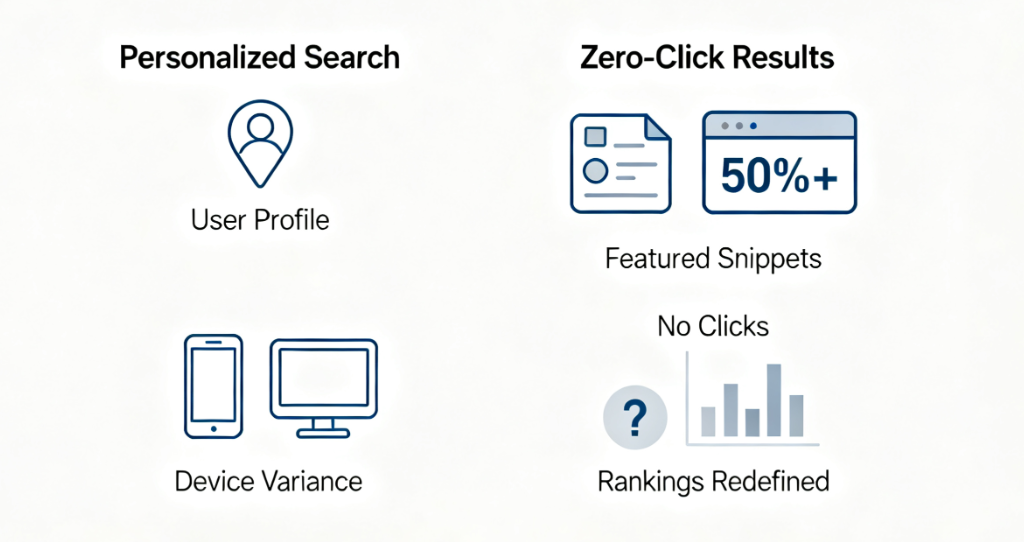
Search engines present differentiated search results based on user profiles. Geographic location information leads to priority display of local merchants, user search history influences content recommendation tendency, and differences in device types bring different interface layouts. These personalization factors work together to make the concept of absolute ranking lose its practical significance.
1.2 Prevalence of zero-hit searches
The refinement of search functions such as Featured Abstracts and Knowledge Panels has significantly changed user behavior patterns. Data shows that more than 50% search queries end in zero hits, and users do not need to visit the target site to get the information they need. This trend has caused the correlation between traditional ranking positions and traffic acquisition to diminish dramatically.
1.3 Dimensional extension of the visibility assessment
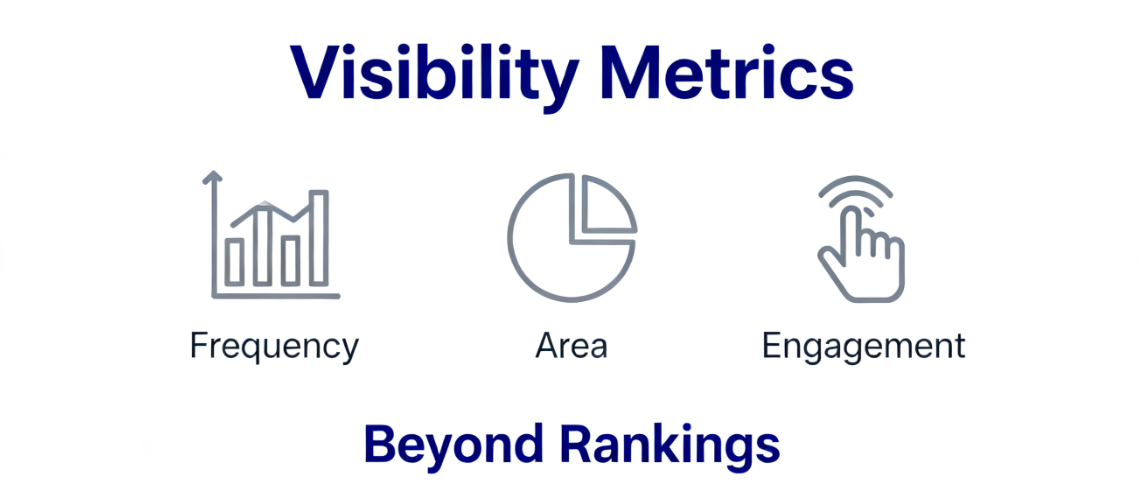
In the search result page where information is presented in multiple ways, visibility share is more valuable than position ranking alone. Visibility share takes into account the frequency of display, display area and interaction opportunities of a website in search results, and can more accurately reflect the realSearch ExposureDegree.
II. Solutions for data integration
Building a complete SEO evaluation system requires breaking through the limitations of ranking data and establishing a multi-dimensional analysis framework.
2.1 Reconstruction of core indicators
click through rate (CTR) (Internet)Data reveals the conversion efficiency between search presentation and actual clicks, user behavior metrics reflect how well the quality of the content matches the demand, and business conversion data connects SEO investment with business returns. Together, these metrics form the key dimensions for evaluating SEO effectiveness.

2.2 Collaborative analysis of data from multiple sources
Google Search ConsoleProvides display and click data for search queries, Analytics platform records user access paths, and commercial system tracks final conversion results. Through the data integration platform to establish a unified analytical perspective, can accurately identify the optimization direction to drive business growth.
III. Architectural evolution of technology optimization
Modern SEO technology optimization has entered the stage of architecture-level optimization, and mobile performance directly affects search rankings.
3.1 Resource loading strategy optimization
Key technologies include:
- Key CSS inline loading, non-key CSS asynchronous loading
- Lazy loading and adaptive delivery of image resources
- Asynchronous loading and dependency management of third-party scripts
- Optimization of subsetting and preloading of font files

3.2 Rendering Performance Optimization
Core measures covered:
- First content mapping (FCP) CSS and JavaScript optimization
- Maximum Content Drawing (LCP) image and font optimization
- Cumulative layout offset (CLS) presets for size properties
- Event Listener Optimization for Interactive Response (INP)

3.3 Deep optimization of structured data
Key directions include:
- Real-time price and inventory status updates on product pages
- Authoritative information markup of article content for authors
- Service area and opening hours of local merchants are marked.
- Q&A structured data implementation for FAQ pages
IV. Paradigm shift in strategic thinking
SEO efforts need to move away from technical ranking optimization to comprehensive optimization with user value at its core.
4.1 Reconfiguration of content strategy
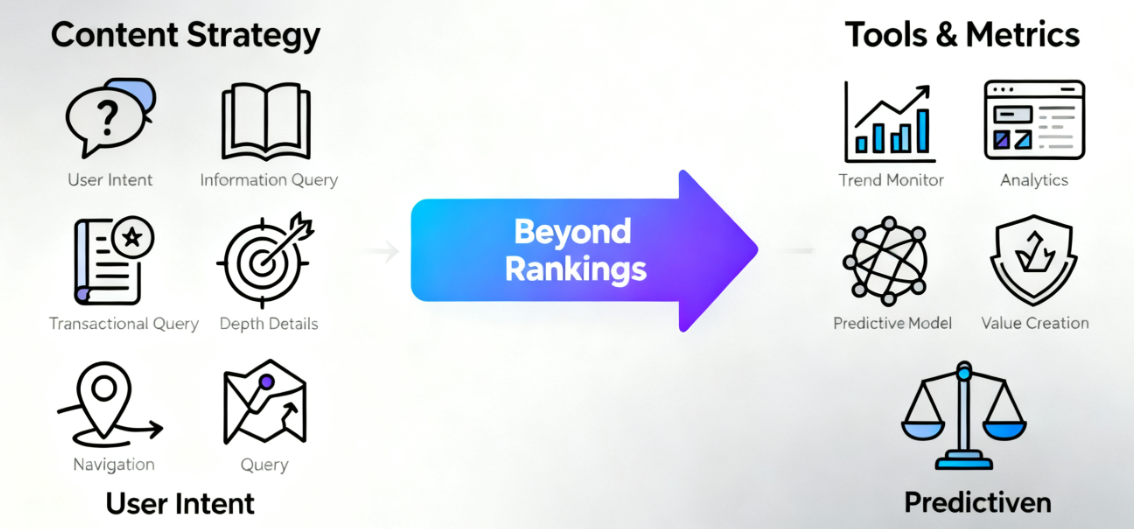
The basis of content creation shifts from keyword matching to user intent understanding. Informational queries require in-depth answers, transactional queries demand clear value propositions, and navigational queries pursue precise guidance efficiency. Content quality assessment is based on the completeness and specialization of topic coverage.
4.2 Strategic perspectives on tool selection
Ranking tracking tools should be used as an adjunct to trend monitoring, with specialized data analytics platforms providing data integration and insight mining capabilities. Predictive analytics identifies potential opportunities based on historical data and provides decision support for resource allocation.
In the context of the continuous evolution of the search environment, the definition of SEO success needs to shift from ranking position to value creation. The establishment of an optimization system with user demand as the core and data-driven approach can truly adapt to the requirements of the intelligent search era. Ranking data should be regarded as one of the reference indicators rather than the only success criterion.

Link to this article:https://www.361sale.com/en/80473/The article is copyrighted and must be reproduced with attribution.

















![Emoji[wozuimei]-Photonflux.com | Professional WordPress repair service, worldwide, rapid response](https://www.361sale.com/wp-content/themes/zibll/img/smilies/wozuimei.gif)

![Emoticon[baoquan] - Photon Wave Network | Professional WordPress Repair Services, Worldwide Coverage, Rapid Response](https://www.361sale.com/wp-content/themes/zibll/img/smilies/baoquan.gif)


 简体中文
简体中文  English
  日本語
日本語  Français
  Español


No comments