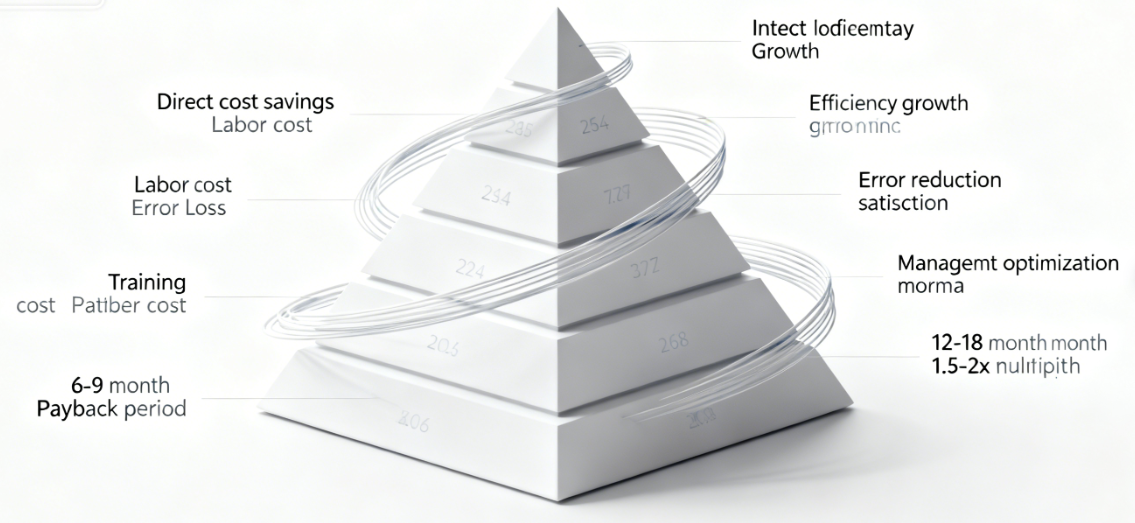







In the era of digital marketing, maintaining a unified brand image while enabling flexible localized operations has become a core challenge for businesses. Authoritative research indicates that brand consistency can boost corporate revenue by 231%.Customer retention rateEnhance 32%. Data shows that enterprises with standardized digital asset management systemsBrand AwarenessImproved cross-departmental collaboration efficiency by 43% while reducing content production costs by 35%.
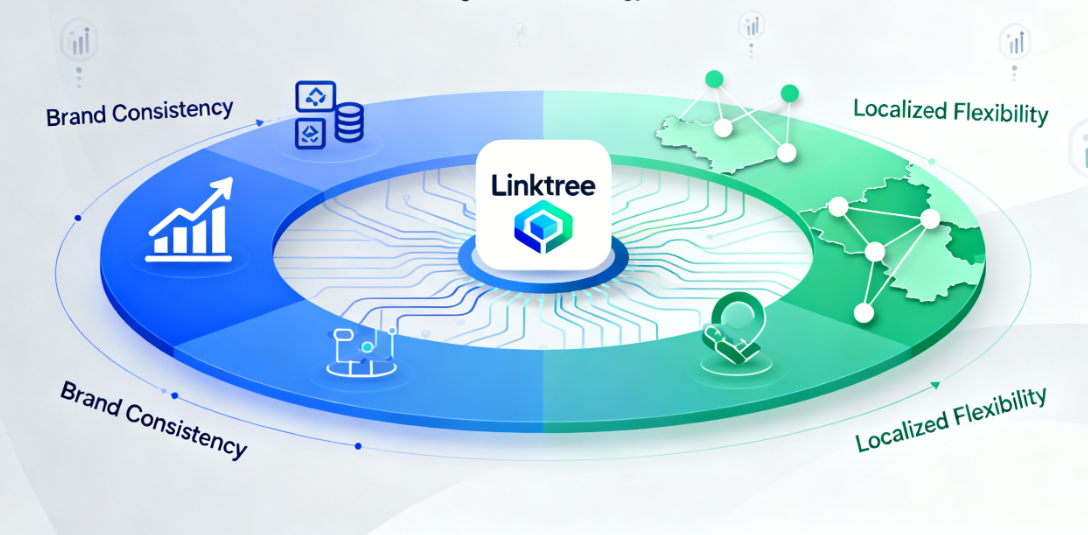
Specifically, after implementing centralized management, marketing campaign launch times were reduced by 60%, and regional marketing teams' content creation efficiency increased by 2.5 times.LinktreeAs a crucial hub for corporate digital touchpoints, it is essential to evolve from tool usage to a strategic platform architecture. Statistics indicate that companies adopting enterprise-level management models achieve greater success in digital channels.conversion rateCustomer satisfaction has increased to 89%, demonstrating the critical value of platform architecture in large-scale operations.
I. Granular Permissions Management and Collaborative Workflows
Enterprise-level application environments require balancing the dual demands of centralized control and flexible operations. A scientifically designed permission system is the foundation for ensuring operational efficiency.
1.1 Multi-Tier Permissions Architecture Design
Role-based access control enables precise authorization. Headquarters administrators possess global configuration permissions, department managers control access scopes for their teams, and content editors perform specific page maintenance. This tiered architecture ensures brand consistency while supporting flexible departmental operations.
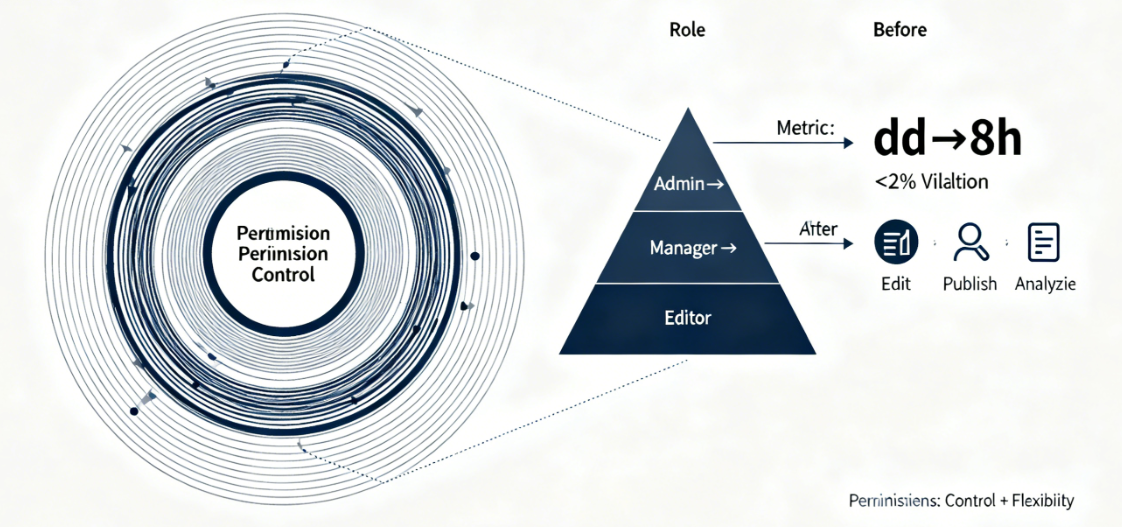
After implementing this system, a multinational corporation reduced page update approval time from an average of five days to just eight hours, while simultaneously lowering brand guideline violation rates to below 2%.
Permission granularity is broken down to the specific functional level. Page editing permissions are separated from publishing permissions, template usage permissions are distinguished from creation permissions, and data analysis permissions are independent from operational permissions. This fine-grained control grants each department maximum operational freedom within a standardized framework.
1.2 Intelligent Review and Release Process
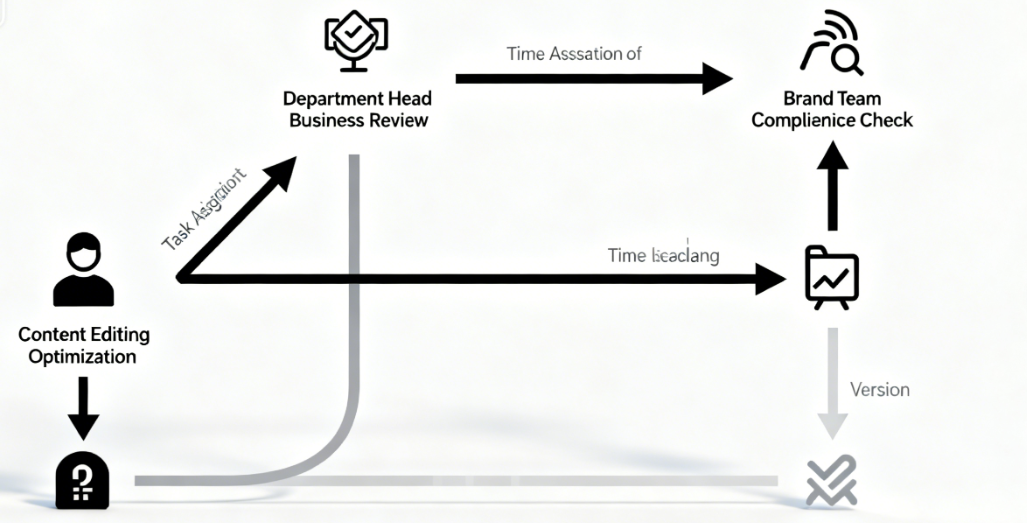
A multi-tiered review mechanism ensures content quality. Content editors perform initial optimization, department heads conduct business reviews, and the brand team executes compliance checks. A preview is generated for final confirmation before publication. This process guarantees every page meets corporate standards.
Automated workflows enhance collaboration efficiency. Review tasks are automatically assigned to responsible parties, with unprocessed items escalated upon timeout. Version changes are fully documented with audit trails. Intelligent workflows facilitate cross-departmentalCollaborative EfficiencyIncrease 65%.
II. Brand Consistency Management Framework
Maintaining brand consistency in a decentralized operational environment is a core requirement for enterprise-level applications.
2.1 Standardized Visual Identity System
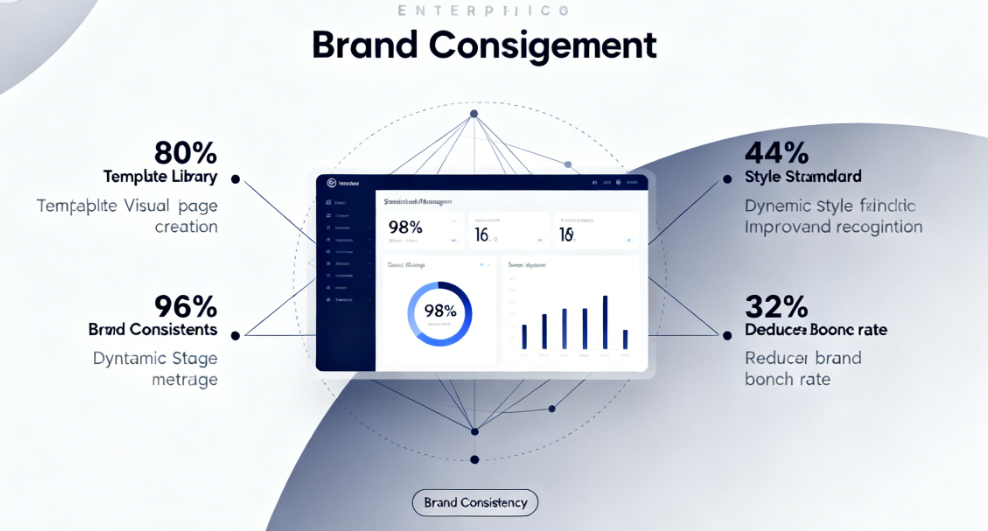
The enterprise-level template library ensures visual consistency. The headquarters design team creates brand-approved master templates, regional teams develop localized variants based on these master templates, and specific campaigns utilize pre-approved temporary templates. This templated approach reduces new page creation time by 80%.
The Dynamic Style Management System maintains brand standards. Primary color palettes and font libraries are centrally managed, logo usage is automatically checked for compliance, and layout designs adhere to visual identity guidelines. These measures ensure brand consistency remains above 98.1%.
2.2 Standardized Content Standards
Unify language expression through a consistent copywriting style guide. Clearly define brand voice and tone, strictly enforce product naming conventions, and maintain consistency in keyword usage. Standardized content elevates brand recognition by 45%.
Interaction experience standards optimize user perception. Link naming follows a unified logic, page structures maintain similar patterns, and navigation methods provide a consistent experience. These standards reduce cross-page jump drop-off rates by 32%.
III. Data-Driven Performance Evaluation System
Establishing a scientific evaluation system is a crucial foundation for continuous improvement.
3.1 Multi-dimensional Effect Evaluation Indicators
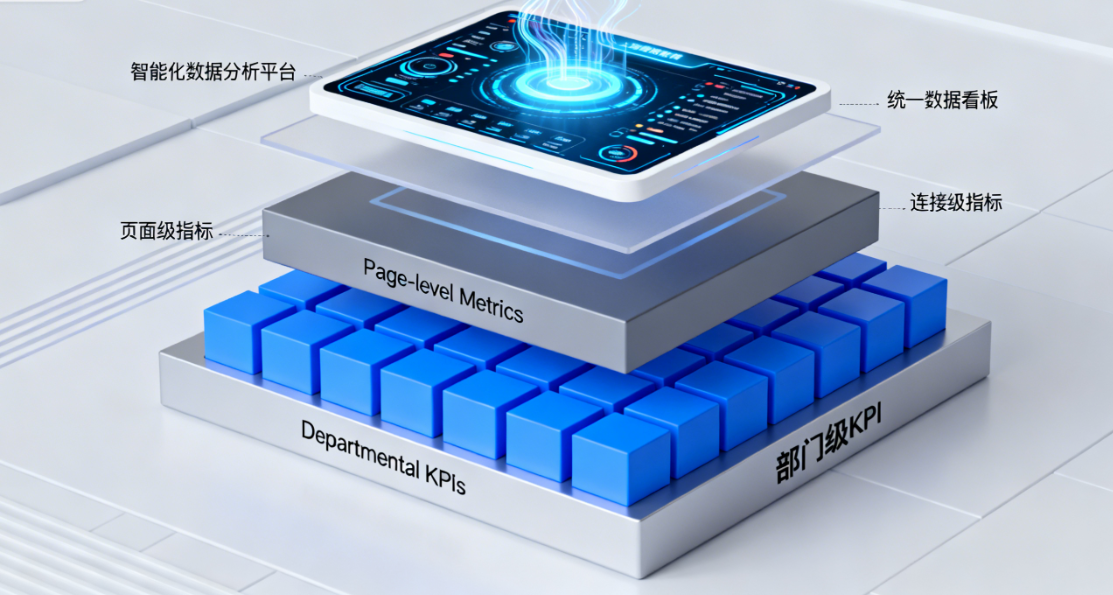
Department-level KPIs reflect business contributions. The marketing department focuses on the number of leads acquired, the sales department prioritizes opportunity conversion rates, and the customer service department emphasizes issue resolution efficiency. Differentiated metrics ensure clear and well-defined objectives for each department.
Page-level metrics guide content optimization. Click-through rate evaluates content appeal, conversion rate measures call-to-action effectiveness, and user dwell time reflects content value. These metrics provide concrete direction for content refinement.
3.2 Intelligent Data Analytics Platform
The unified data dashboard provides a holistic perspective. Performance metrics across departments are horizontally comparable, while time-series trend analysis reveals developmental trajectories. Benchmark comparisons identify areas for optimization. Data transparency fosters healthy internal competition.
Deep insights reports drive strategic decision-making. User behavior analysis identifies preference patterns, channel effectiveness evaluations guide resource allocation, and competitive comparisons uncover gaps and opportunities. Through data analysis, a consumer goods company boosted marketing campaign effectiveness by 411%.
IV. System Integration and Scalable Architecture
Enterprise-level applications require seamless integration with existing systems.
4.1 Existing System Integration Plan
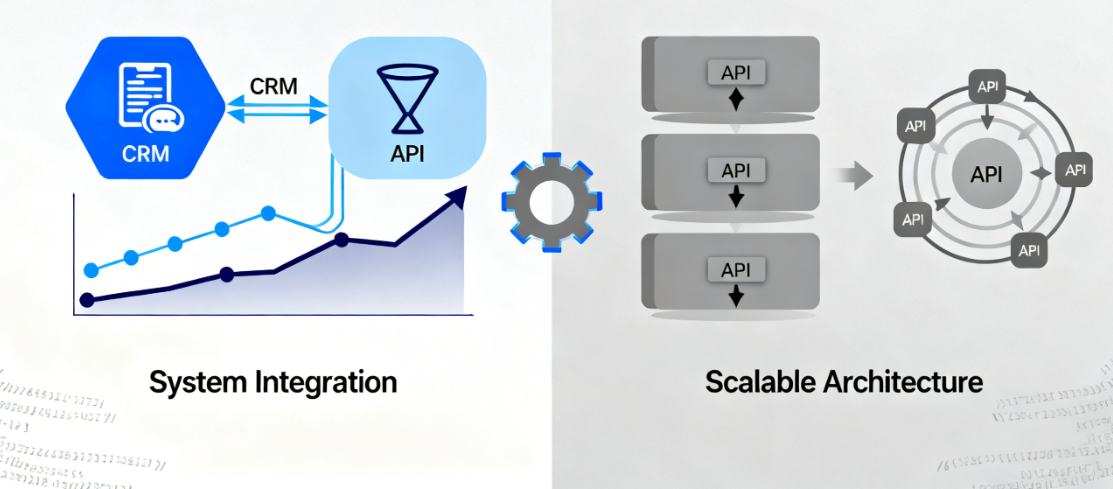
CRM systemIntegrated implementation enables data synchronization. Customer information updates automatically, interaction records are fully tracked, and lead scoring refreshes in real time. Integration boosts sales follow-up efficiency by 381%.
Marketing automation platforms connect to optimize user nurturing. User behavior triggers personalized content, lifecycle stages determine information delivery, and interest tags guide content recommendations. Automated marketing boosts user engagement by 52%.
4.2 Scalable Architecture Design
Modular design enables flexible scalability. New departments can be rapidly configured, new features seamlessly integrated, and business changes swiftly accommodated. This architecture reduces system expansion costs by 60%.
API ecosystems drive innovation. Standard interfaces support custom development, data exchange formats are unified and standardized, and third-party tools integrate seamlessly. Open architectures stimulate internal innovation.
V. Continuous Optimization and Knowledge Management
Establish a continuous improvement mechanism to ensure the system's long-term value.
5.1 Best Practice Sharing Mechanism
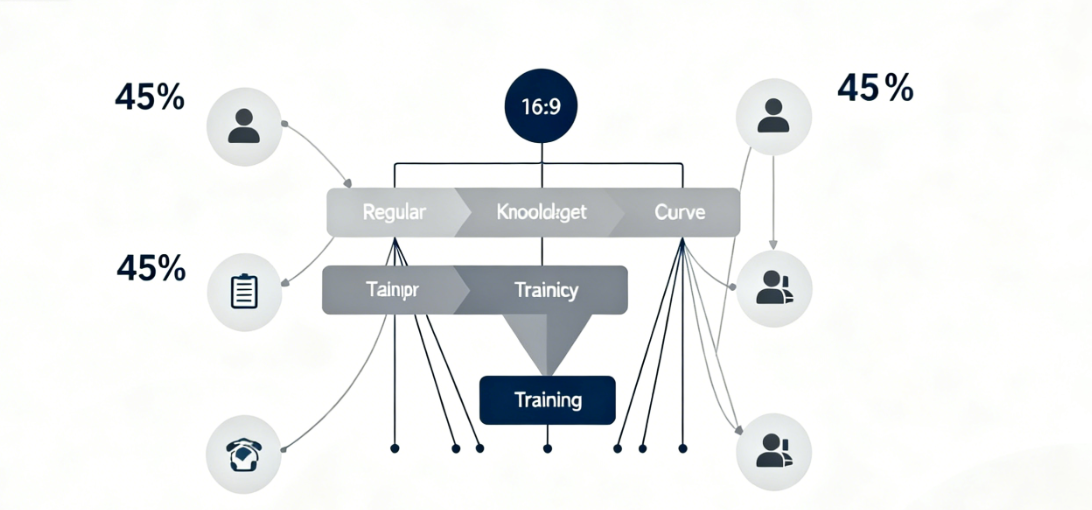
The success case repository accumulates organizational wisdom. High-performance page analysis distills key success factors, while innovative application cases promote best practices. Shared lessons from failures prevent repeated mistakes. Knowledge sharing shortens the team learning curve by 55%.
Regular exchange forums facilitate knowledge transfer. Experts share in-depth insights, peers exchange practical skills, and Q&A communities resolve specific issues. These exchanges transform individual expertise into organizational assets.
5.2 Systematic Training Framework
Tiered training caters to diverse needs. New hires master foundational operations, advanced users learn efficiency techniques, and administrators become proficient in system management. Standardized training boosts employee proficiency by 47%.
The certification mechanism ensures execution quality. Operators must pass skill certification, managers complete management training, and auditors master brand standards. The certification system controls execution error rates within 11% to 3%.
By establishing an enterprise-level Linktree management framework, organizations can maintain brand consistency while fully leveraging the creativity and flexibility of each department. This balancing act not only enhances short-term marketing effectiveness but also lays a solid foundation for building long-term digital competitiveness. In the wave of digital transformation, a scientifically designed platform architecture is emerging as a critical strategic asset for enterprises.

Link to this article:https://www.361sale.com/en/81184/The article is copyrighted and must be reproduced with attribution.

















![Emoji[wozuimei]-Photonflux.com | Professional WordPress repair service, worldwide, rapid response](https://www.361sale.com/wp-content/themes/zibll/img/smilies/wozuimei.gif)

![Emoticon[baoquan] - Photon Wave Network | Professional WordPress Repair Services, Worldwide Coverage, Rapid Response](https://www.361sale.com/wp-content/themes/zibll/img/smilies/baoquan.gif)


 简体中文
简体中文  English
  日本語
日本語  Français
  Español


No comments