







In a market environment where e-commerce operational costs continue to rise, businesses must evaluate every technology investment with a precise financial perspective. The hidden costs generated by traditional merchandise management methods are often underestimated, whileAdvanced Batch Editing ToolThe resulting efficiency gains are often difficult to quantify.
Data shows that companies implementing specialized batch editing solutions have seen their productsOperating costsAverage reduction of 421 TP3T, price adjustment efficiency improved by 6001 TP3T—these enhancements directly translate into significant financial gains.
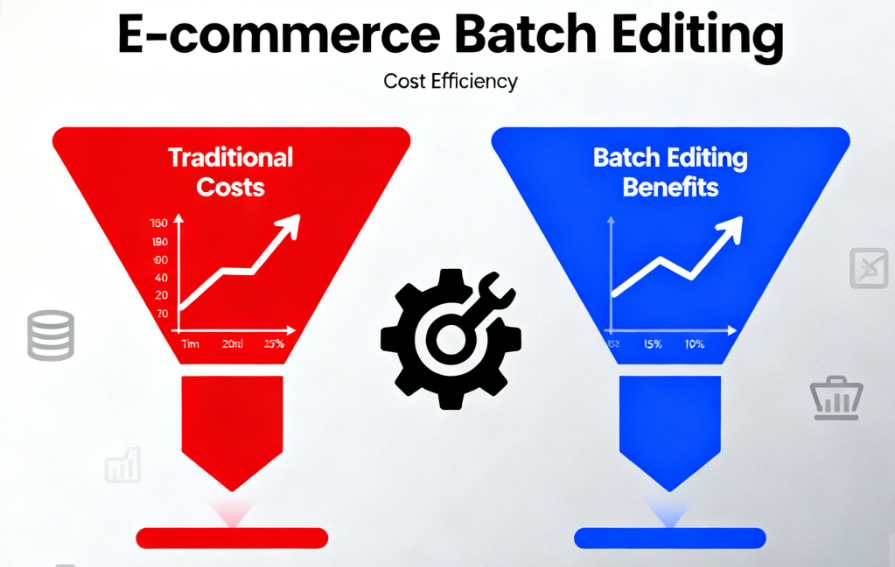
Specifically, businesses have reduced the time required to update product information from an average of 4.5 hours to just 25 minutes using bulk editing tools. Inventory data accuracy has improved to 99.21%, while pricing error rates have decreased by 78.1%.E-commerce teams utilizing the bulk editing feature achieved a 3.8-fold increase in per-capita product management efficiency, reduced promotional campaign preparation time by 67%, and accelerated new product listing speed by 82%. These efficiency metrics directly contributed to a 5-8% increase in corporate profit margins.
I. Refined Cost Identification and Accounting System
Establishing a comprehensive cost accounting model is fundamental to evaluating investment returns. Traditional operational models harbor significant hidden costs that require systematic identification and quantification.
1.1 Multidimensional Calculation of Time Costs
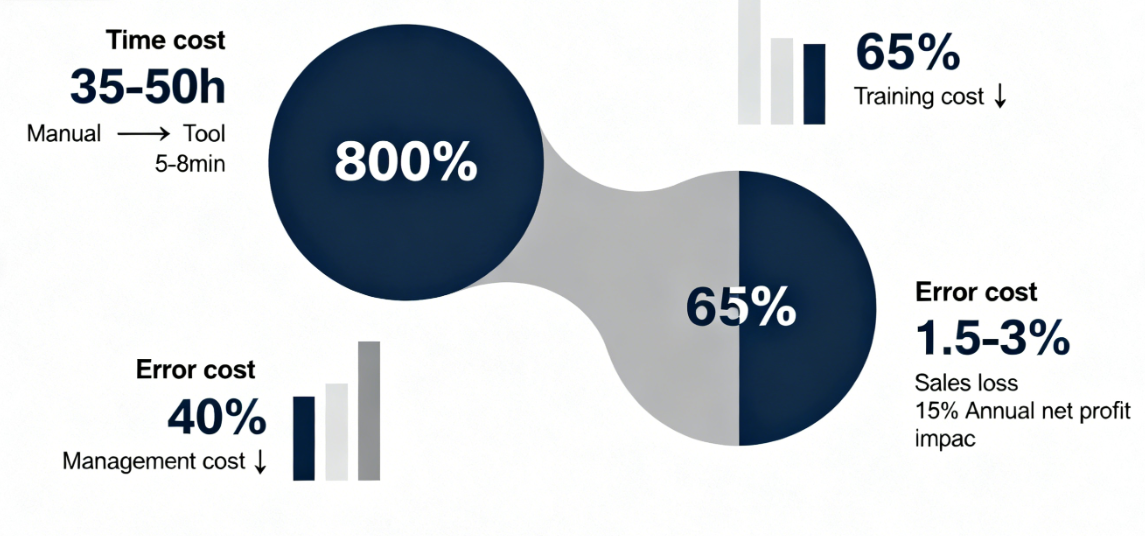
Manual operation time constitutes direct costs. Editing a single product takes an average of 2-3 minutes, and manually processing a thousand SKUs requires 35-50 hours. Batch editing tools reduce the processing time for the same workload to 5-8 minutes, achieving a time efficiency improvement exceeding 800%.
Personnel skill costs impact operating expenses. Entry-level employees require substantial training investments, operational errors lead to repetitive work, and management oversight consumes key personnel's energy. Specialized tools lower skill thresholds, reducing training costs by 65% and management costs by 40%.
1.2 Assessment of the Financial Impact of Error Costs
Direct losses caused by data errors require precise calculation. Inventory data inaccuracies lead to overselling and stockouts, pricing errors result in profit losses or order disputes, and product information mistakes trigger customer complaints and returns. Statistics show that medium-sized e-commerce businesses incur direct monthly losses due to manual operational errors amounting to approximately 1.51% to 3.1% of their sales revenue.
Damage to brand reputation leads to long-term value loss. Declining customer satisfaction impacts repurchase rates, negative reviews reduce new customer acquisition efficiency, and compromised market credibility affects channel partnerships. The cumulative impact of these hidden costs over a three-year cycle may exceed annualNet profit15%.

1.3 Strategic Considerations of Opportunity Cost
Human resource reallocation creates new value. Marketing personnel are freed from tedious operations to focus on event planning and customer engagement, while product teams dedicate more time to product selection and market analysis. Customer service teams experience reduced pressure from inquiries caused by inaccurate information. This rational allocation boosts overall team output by 35%.
Enhanced responsiveness boosts market competitiveness. Swift price adjustments seize market opportunities, timely inventory updates minimize stockout losses, and agile information updates improve conversion efficiency. Improved market responsiveness drives sales growth from 18% to 25%.
II. Value Transformation Mechanism for Efficiency Enhancement
Improving operational efficiency requires establishing a clear financial conversion pathway that translates operational optimizations into tangible financial gains.
2.1 Financial Quantification Model for Operational Efficiency
Price adjustment efficiency directly impacts sales revenue. Traditional methods require 2-3 business days to complete store-wide price changes, while batch editing achieves this within one hour. Rapid price adjustment capabilities enable businesses to gain an additional 23% in sales growth during promotional campaigns.
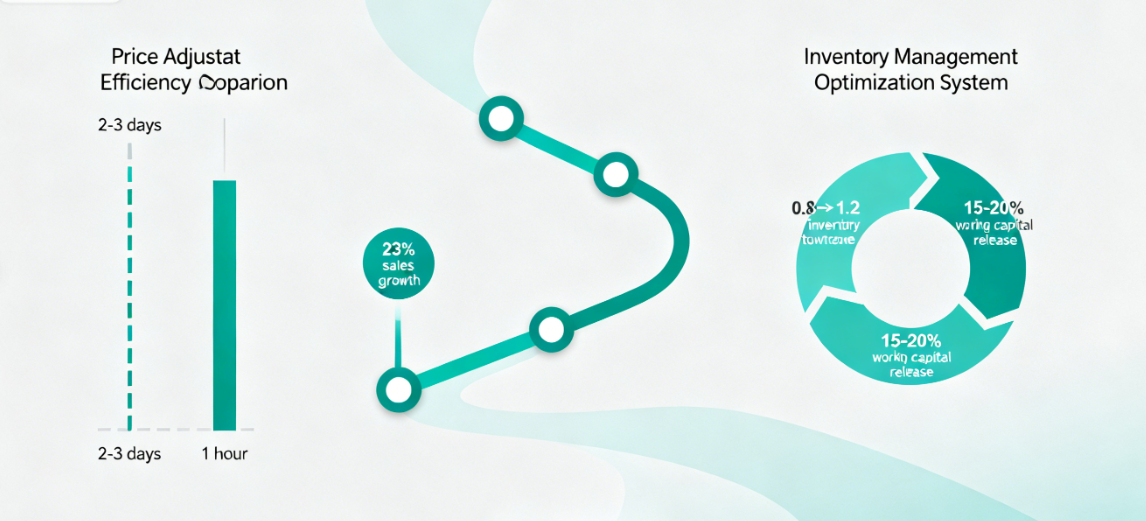
Optimizing inventory management efficiency reduces capital tied up in inventory. Real-time inventory synchronization lowers safety stock requirements, precise inventory alerts minimize slow-moving stock risks, and intelligent inventory allocation enhances turnover efficiency. These improvements enableInventory Turnover RatioIncrease by 0.8-1.2 times, releasing working capital of 15%-20%.
2.2 Impact of New Product Launch Speed on Cash Flow
Shortening product launch cycles accelerates cash flow recovery. Traditionally, new processes required a 5-7 day preparation period, while batch editing compressed this cycle to 1-2 days. Earlier market entry enabled new products to gain over 451% exposure growth during peak sales periods, boosting initial sales by 601%.
Seasonal products demonstrate significant time-sensitive value. Launching holiday merchandise one day early generates an incremental sales increase of 28%. Rapid distribution of seasonal products captures market demand, while timely removal of limited-time items prevents discounting losses. Time-sensitive management boosts seasonal product sales profit margins by 12%.

2.3 Comparative Analysis of Practical Cases
Performance Comparison Before and After Implementation at a Mid-Sized Fashion E-commerce Platform. Prior to implementation, quarterly promotional preparations required teams to work 120 overtime hours. Post-implementation, the same workload was completed in just 15 hours. While reducing labor costs, sales during promotional periods increased by 351%, and gross profit margin rose by 4.2 percentage points.
Improvements in Inventory Management for Electronics Retailers. Following the introduction of batch editing tools, inventory accuracy rose from 87.1% to 99.51%, while out-of-stock rates dropped from 81% to 1.21%. Slow-moving inventory decreased by 42.1%. These inventory enhancements directly contributed 18.1% to annual profits.
III. Quantitative Analysis Framework for Investment Decisions
Establishing a scientific decision-making model helps enterprises accurately assess investment value and formulate reasonable procurement budgets.
3.1 Cost-Benefit Analysis Model
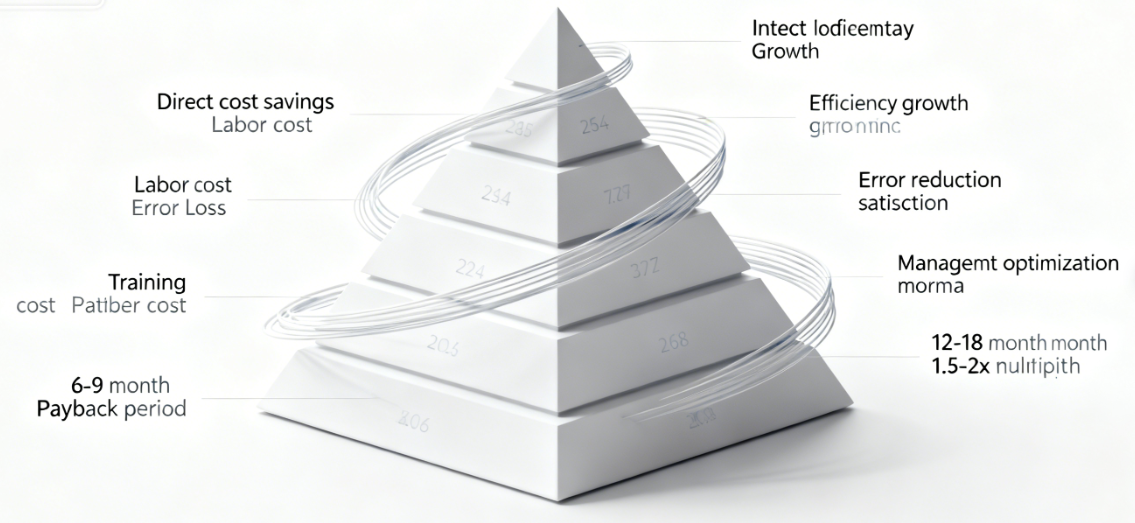
Direct cost savings calculations are clear and straightforward. Labor costs are calculated based on actual hours worked and wage levels, while error losses are estimated using historical data. Training costs account for the need for full staff coverage. These direct benefits typically recoup the tool investment within 6 to 9 months.
Assessing indirect benefits requires a systematic approach. Growth opportunities stemming from efficiency gains, enhanced customer satisfaction through reduced errors, and improved team morale resulting from optimized management. Indirect benefits typically reach 1.5 to 2 times the direct benefits within a 12- to 18-month cycle.
3.2 Payback Period Calculation
The payback periods for enterprises of different scales show significant differences. Startups (SKUFor small businesses (SKU 2000), the payback period is 2-4 months. Economies of scale make the benefits more pronounced for larger enterprises.
Special considerations for seasonal businesses. Investments made before peak seasons yield returns within the same season. Seasonal demand fluctuations impact revenue calculations, and the value of tools becomes more pronounced during promotional periods. Seasonal factors necessitate aligning investment decisions with business cycle characteristics.
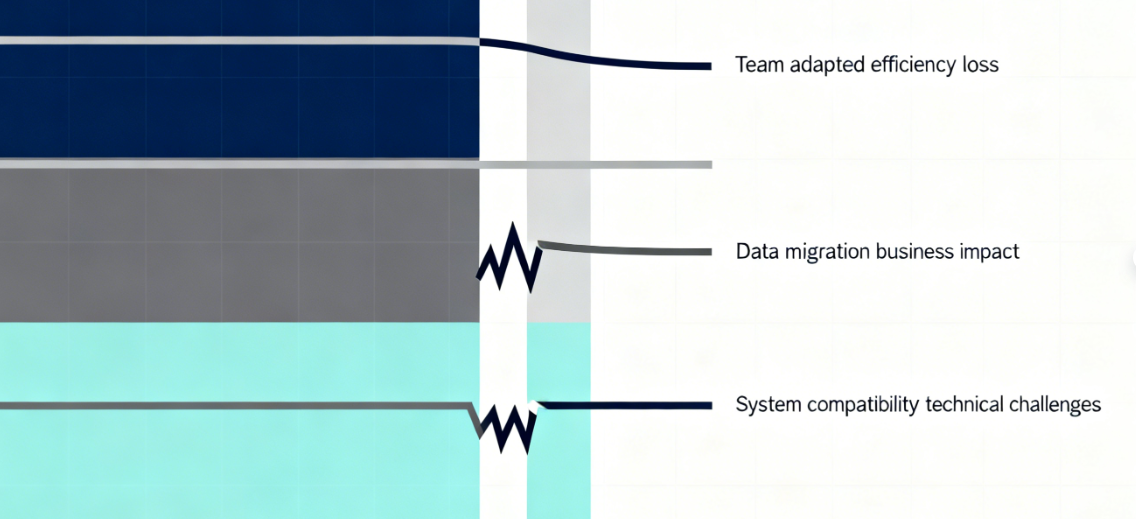
3.3 Risk Assessment and Emergency Response Plan
Implementation risks require thorough assessment. Efficiency losses during team adaptation, business impacts during data migration, and technical challenges in system compatibility. Establishing a detailed implementation plan keeps risks within acceptable limits.
Emergency plans ensure business continuity. Parallel operation of traditional procedures, data backup and recovery mechanisms, and vendor technical support response. Comprehensive contingency plans enable a smooth and seamless implementation process.
IV. The Path to Continuous Value Enhancement
Sustained improvement in investment returns requires establishing a long-term mechanism to ensure the value of tools continues to grow over time.
4.1 The Value of Deep Mining
Basic functionality implementation delivers initial returns. Batch price adjustments meet fundamental needs, inventory synchronization resolves core pain points, and product information updates enhance operational efficiency. These foundational applications unlock approximately 60% in potential value.
Advanced feature development creates incremental value. Conditional batch operations enable granular management, API integration streamlines business processes, and data analytics guides operational decisions. Deep utilization can generate up to 40% in additional value.

4.2 Multiplier Effect of Expanded Applications
Cross-departmental application expands value boundaries. The marketing department uses it for promotion management, the procurement department for supplier coordination, and the finance department for data reconciliation. Cross-departmental collaboration elevates the tool's value by over 150%.
Business process reengineering unlocks greater potential. Workflow automation reduces manual intervention, data-driven decision-making enhances accuracy, and optimized organizational structures adapt to efficiency gains. Process reengineering delivers breakthrough improvements.
Investment decisions regarding advanced bulk editing tools should be grounded in thorough financial analysis and long-term strategic considerations. Sound investments not only yield direct cost savings but, more importantly, build core competitiveness for enterprises in the digital era. Amid intensifying e-commerce competition, operational efficiency will become the key driver for sustained business growth through differentiated advantages.

Link to this article:https://www.361sale.com/en/81185/The article is copyrighted and must be reproduced with attribution.

















![Emoji[wozuimei]-Photonflux.com | Professional WordPress repair service, worldwide, rapid response](https://www.361sale.com/wp-content/themes/zibll/img/smilies/wozuimei.gif)

![Emoticon[baoquan] - Photon Wave Network | Professional WordPress Repair Services, Worldwide Coverage, Rapid Response](https://www.361sale.com/wp-content/themes/zibll/img/smilies/baoquan.gif)


 简体中文
简体中文  English
  日本語
日本語  Français
  Español


No comments