







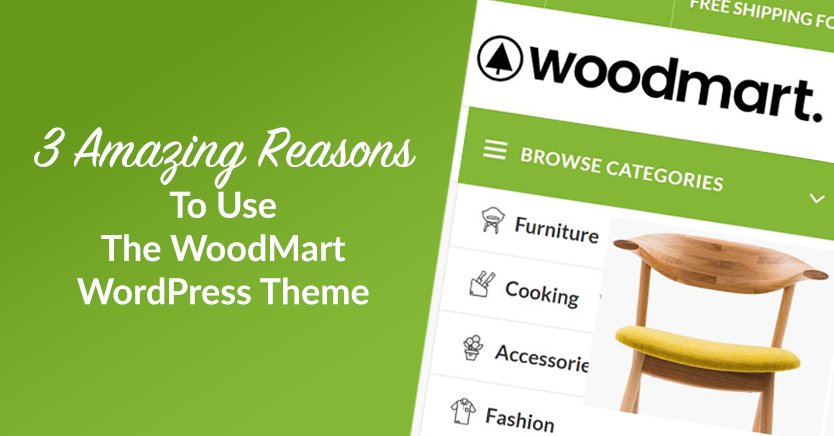
Woodmart built-in HTML Block Editing capabilities can accommodate various design scenarios, with custom footers being one of the most common applications. Using Page Builder, you can flexibly combine logos, social icons, menu lists, subscription forms, and payment information to create a more unified overall page structure. This tutorial outlines the complete process from creating HTML blocks to enabling footers in your theme.
![Image[1] - Woodmart HTML Block Custom Footer Complete Setup Guide](https://www.361sale.com/wp-content/uploads/2025/12/20251208155024717-image.png)
Create an HTML Block dedicated to the Footer
Access the backend to create a new Block
Access the dashboard, select HTML Blocks, click Add New, and set a title for the block. Then open the Page Builder editing interface to start building the structure.
![Image[2] - Woodmart HTML Block: Complete Guide to Building a Custom Footer](https://www.361sale.com/wp-content/uploads/2025/12/20251208155220605-image.png)
Create the top of the footer: Logo and social icons
Add a container and insert the logo
Add a Container to the page asfootersThe first line structure.
Select the image component from the element list and insert the logo file.
Set the width in the "Advanced" settings with the unit set to px to easily control visual proportions.
![Image[3] - Woodmart HTML Block Custom Footer Complete Setup Guide](https://www.361sale.com/wp-content/uploads/2025/12/20251208155341599-image.png)
Add Social Icons Module
Insert Social Buttons into the same container:
- Enter label text
- Select the appropriate type
- Switch the icon style to color
- Set icon size to Small
- Set the tag to Inline in Style to display icons and text on the same line.
![Image[4] - Woodmart HTML Block: Complete Guide to Building a Custom Footer](https://www.361sale.com/wp-content/uploads/2025/12/20251208155728800-image.png)
Adjust the layout and spacing
In order for logo Icons are neatly arranged and can be modified:
- Justify Content: Space Between
- Align Items: Center
![Image[5] - Woodmart HTML Block Custom Footer Complete Setup Guide](https://www.361sale.com/wp-content/uploads/2025/12/20251208155847354-image.png)
Additionally, top margin and bottom padding were added in the advanced settings to enhance overall visual harmony.
![Image[6] - Woodmart HTML Block: Complete Guide to Building a Custom Footer](https://www.361sale.com/wp-content/uploads/2025/12/20251208155929125-image.png)
Building the Footer Main Area: Menu and Subscription Section
Establish the main container structure
Add a new Container as the second section of the footer and split it into left and right columns.
The left side is used to display multiple sets of menus, while the right side is used to showcase titles, subscription forms, and payment method information.
![Image[7] - Woodmart HTML Block: Complete Guide to Building a Custom Footer](https://www.361sale.com/wp-content/uploads/2025/12/20251208160359440-image.png)
Left: Toggle Menu Structure (Toggle + Additional Menu List)
Add a Toggle element and set up the menu
Add a small container to the left column and insert a Toggle element.
After setting the title, add the Extra Menu List internally.
Remove the default title; menu items can be edited as links, text, or icons.
![Image[8] - Woodmart HTML Block: Complete Guide to Building a Custom Footer](https://www.361sale.com/wp-content/uploads/2025/12/20251208175414679-image.png)
Set desktop to always show
Set the status to "Always Expanded" in Toggle so that menu items are directly visible in the desktop environment.
![Image[9] - Woodmart HTML Block: Complete Guide to Building a Custom Footer](https://www.361sale.com/wp-content/uploads/2025/12/20251208175658687-image.png)
Copy and generate three sets of menus
Duplicate the entire menu container twice, modify the header content for each group, and make the three-column menu categories clearer.
Adjust the arrangement
Edit the main container and set the orientation to horizontal alignment:
- Direction: Horizontal
- Align: Center
The menu will be displayed on the same line.
![Image[10] - Woodmart HTML Block Custom Footer Complete Setup Guide](https://www.361sale.com/wp-content/uploads/2025/12/20251208175813357-image.png)
Right side: Header area, Mailchimp form, and payment information
Add text title area
Insert Section Title, enabling only the title and text fields.
Set left alignment in Style and configure the color scheme.
![Image[11] - Woodmart HTML Block Custom Footer Complete Setup Guide](https://www.361sale.com/wp-content/uploads/2025/12/20251208180045424-image.png)
Set background container style
Add this region:
- background color
- Approximately 20px padding
- rounded corner
Make the overall visual focus more concentrated.
![Image[12] - Woodmart HTML Block: Complete Guide to Custom Footer Setup](https://www.361sale.com/wp-content/uploads/2025/12/20251208180311207-image.png)
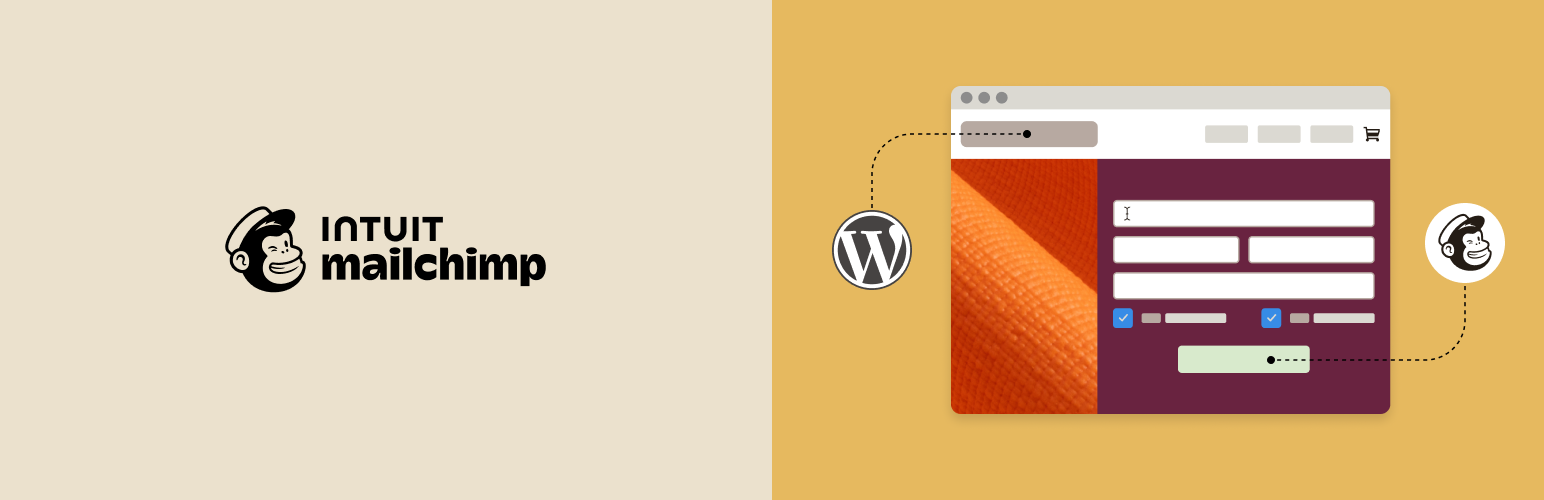
Join Mailchimp form (document)
Add the Mailchimp Form inside the background container and change its orientation to horizontal alignment, arranging the form input fields and buttons in a single row:
- Direction: Row
- Justify Content: Space Between
- Align Items: Center
![Image[13] - Woodmart HTML Block: Complete Guide to Custom Footer Setup](https://www.361sale.com/wp-content/uploads/2025/12/20251208180404428-image.png)
Add payment method icons and information boxes
Add a payment method icon below the form, then add an Info Box and enable the title and content fields.
Icon width and height can be customized to better match the layout.
![Image[14] - Woodmart HTML Block Custom Footer Complete Setup Guide](https://www.361sale.com/wp-content/uploads/2025/12/20251208180914647-image.png)
Compatible with tablets and mobile devices
Adjust container width and stacking method
In tablet and mobile modes, set the container width to 100% to enable automatic line breaks for columns.
The main container orientation has been changed to vertical, arranging the columns in an up-down sequence.
![Image[15] - Woodmart HTML Block: Complete Guide to Building a Custom Footer](https://www.361sale.com/wp-content/uploads/2025/12/20251208181233764-image.png)
Add appropriate white space
Add bottom padding to the menu container to make the content easier to read.
![Image[16] - Woodmart HTML Block: Complete Guide to Custom Footer Setup](https://www.361sale.com/wp-content/uploads/2025/12/20251208181357382-image.png)
Enable Custom Footer in Woodmart Theme
Select HTML Block as the content to output in the footer
Go to Theme Settings and locate Woodmart (used form a nominal expression) Footer On the page, select the HTML Block you just created in the Footer content area.
After saving and refreshing the frontend, the footer will display according to the settings.
![Image[17] - Woodmart HTML Block Custom Footer Complete Setup Guide](https://www.361sale.com/wp-content/uploads/2025/12/20251208182449282-image.png)
Final inspection upon completion
Finally, review how the page appears on desktop, tablet, and mobile devices to ensure that menu transitions, icon placement, form display, and spacing align with expectations.
After completing the above steps, a feature-rich, well-structured, and visually consistent footer has been successfully built.
![Image[18] - Woodmart HTML Block: Complete Guide to Custom Footer Setup](https://www.361sale.com/wp-content/uploads/2025/12/20251208182449265-image.png)

Link to this article:https://www.361sale.com/en/82294/The article is copyrighted and must be reproduced with attribution.













![Emoji[wozuimei]-Photonflux.com | Professional WordPress repair service, worldwide, rapid response](https://www.361sale.com/wp-content/themes/zibll/img/smilies/wozuimei.gif)

![Emoticon[baoquan] - Photon Wave Network | Professional WordPress Repair Services, Worldwide Coverage, Rapid Response](https://www.361sale.com/wp-content/themes/zibll/img/smilies/baoquan.gif)


 简体中文
简体中文  English
  日本語
日本語  Français
  Español


No comments