




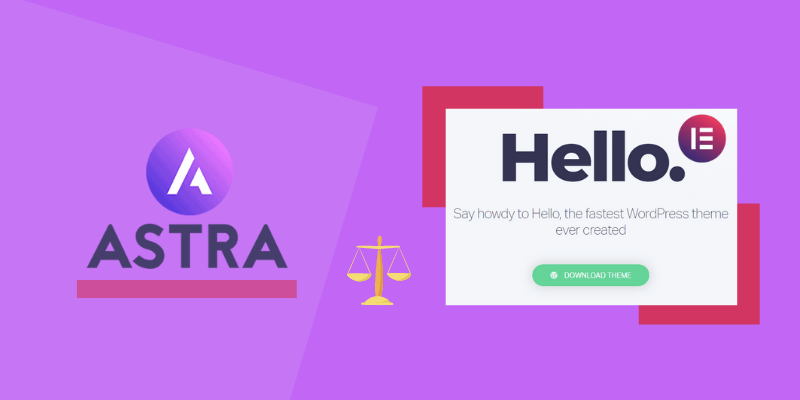
When designing blog homepages, category pages, and special feature pages, many people agonize over whether to use recurrent grid(Loop Grid) Still use Posts WidgetBoth can display articles, but they serve different purposes. Choosing the right one means hassle-free layout and easier maintenance.
![Image[1] - Elementor Loop Grid: Choose the Right Article List Widget in 5 Seconds](https://www.361sale.com/wp-content/uploads/2025/12/20251219154850127-image.png)
1. Fundamental Difference Between the Two: Template Capabilities vs. Component Capabilities
Cyclic Grid (Loop Grid) More like a "reusable card template system"
- First, create an "article card template" (Loop Item): cover image, title, summary, author, date, button, tags, etc. Place them wherever you want.
- Then use a loop grid to batch-render this card into a grid, waterfall layout, list, etc.
- An article display area suitable for presenting content as meticulously detailed as e-commerce product cards.
Article List (Posts) is more like a "ready-to-use article display component."
- Directly select skin styles (Classic, Card, Full-width, etc.), adjust spacing, fonts, and pagination.
- Quick to get started, with centralized configuration options, ideal for rapidly building category pages or blog pages.
- Customization options are relatively limited, which can be restrictive when creating complex card structures.
2. First, consider the use case: Which one is more suitable?
Scenario A: Wanting to create a special topic page/landing page, where card layout is crucial.
Recommendation:recurrent grid
- Custom card structure required: Image on left, text on right Label superscript Reading duration Author avatar Rating module
- The same page will feature multiple sections: Featured Area + New Releases Area + Popular Area, each with distinct card designs.
- Want to create a unified style for article cards across the entire site, so that any future changes will be synchronized site-wide.
Scenario B: Just a standard blog list or category page
Recommendation:Article List Widget
- The goal is rapid deployment: title + summary + cover + pagination
- No need for complex layouts—just stable, clean, and easy to maintain.
- With multiple team editors, we hope for more intuitive configuration and fewer accidental edits.
Scenario C: Multiple article display formats on the same website
Recommendation:Combination Usage
- Homepage Featured Sectionrecurrent grid(Exquisite Cards, Strong Visual Impact)
- Category pages and archive pages use article lists (stable output, low maintenance)
- At the bottom of the article page, choose one of two options for "Related Articles": For a more "content card wall" look, use the repeating grid.
3. Key Comparison: Focus on These 6 Points When Selecting Models
![Image[2] - Elementor Loop Grid: Choose the Right Article List Widget in 5 Seconds](https://www.361sale.com/wp-content/uploads/2025/12/20251219154948824-image.png)
| Comparison point | Loop Grid | Article List (Posts) |
|---|---|---|
| Ease of use | Moderate difficulty; requires creating a card template first. | Quick, just drag and drop the configuration. |
| Customization Freedom | High, card structure controllable | Moderate, relies on preset skins |
| Uniform Style Maintenance | Strong, modifying the template will apply changes in bulk. | Feasible, but with a coarse granularity. |
| Complex Module Mixed Layout | more suitable | Handling complex layouts can be challenging. |
| Performance and Loading | Depends on the complexity and number of templates | Generally more stable and lighter |
| Suitable for people | Pursuing refined design and brand identity | Pursuit of Efficiency, Standardized Display |
4. Quick Decision Checklist: Just 3 Questions Are Enough
- Should elements in article cards be "freely arranged"? Yes → Loop Grid
- Should the page be completed quickly and launched stably? Yes → Article List
- Will we be changing the card style frequently in the future? Yes → Loop Grid (Templating is more efficient)
5. Practical Tips: How to Avoid Pitfalls
- Avoid overloading responsive grid layouts with too many dynamic elements: Covers, headlines, summaries, timestamps, and buttons are usually sufficient.
- Responsive grid column layout: Desktop: 3–4 columns Tablet: 2 columns Mobile: 1 column for greater stability
- When pagination is required, first ensure the pagination component matches the query criteria (category, tag, and author pages are often overlooked).
- Want to improveclick through rate (CTR) (Internet)Keep one clear button or "Read More" prompt on the card—don't overload it with information.
summarize
I want to build an article card system that is visually appealing, consistent, and reusable. recurrent gridTo quickly build a "standard article list page," select Article List WidgetThe most hassle-free setup for most content sites is: use a carousel grid for the homepage's key areas, and article lists for category/archive pages. This approach delivers both visual appeal and ease of maintenance.

Link to this article:https://www.361sale.com/en/83489The article is copyrighted and must be reproduced with attribution.















![Emoji[wozuimei]-Photonflux.com | Professional WordPress repair service, worldwide, rapid response](https://www.361sale.com/wp-content/themes/zibll/img/smilies/wozuimei.gif)

![Emoticon[baoquan] - Photon Wave Network | Professional WordPress Repair Services, Worldwide Coverage, Rapid Response](https://www.361sale.com/wp-content/themes/zibll/img/smilies/baoquan.gif)


 简体中文
简体中文  English
  日本語
日本語  Français
  Español


No comments