







Abstracts:
Security is a critical consideration when choosing a content management system for an organization or personal project. In this paper, we will look at a number of dimensions, including core architecture, historical vulnerability records, security ecosystem and maintenance costs, toWordPresstogether withJoomlaProvides an in-depth analysis and a comprehensive safety guide that goes beyond simple judgments of strengths and weaknesses.
I. Introduction: security is a process, not a state of affairs
Before starting the comparison, it is important to establish a core perception that there is no singleCMSis absolutely secure. Security is a dynamic process that depends on the robustness of the core code, the quality of the extended components, and the maintenance habits of the end users. Therefore, our goal is not to find the "most secure" system, but to understand which system can be maintained more securely given your technical skills and resources.
II. Core Security Architecture Comparison
The differences in the underlying design philosophies of the two directly affect their security baselines and the threat models they face.
2.1 WordPress: Minimalist Core and Highly Extensible
The success of WordPress, the open source platform that dominates the CMS market, is due to a minimalist user experience and powerful scalability. This design allows a large ecosystem of plugins to build a complete security system, providing a flexible and reliable solution for more than 60% websites worldwide.
User rights system
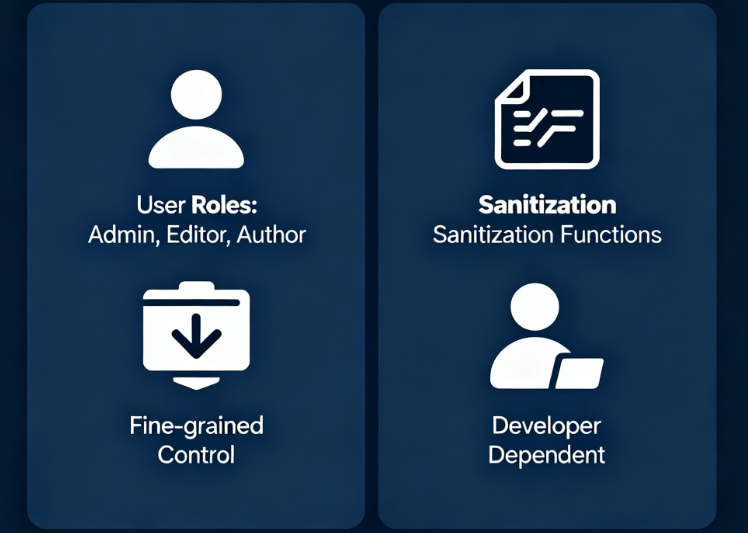
- Infrastructure: WordPress provides a basic system of user roles and capabilities (e.g. administrator, editor, author, subscriber)
- Flexibility: the default system is relatively simple, but allows extremely fine-grained privilege control through numerous plug-ins to meet complex enterprise-level requirements
Data validation and filtering
- Built-in Functions: WordPress provides a number of built-in functions to help developers clean up their data before exporting and storing it
- Developer-dependent: the core security functions are very comprehensive, but the effectiveness of their application is highly dependent on the theme and plugin developers using them correctly
2.2 Joomla: Built-in Complexity and Fine Controls
Joomla was designed from the ground up with more enterprise-class applications in mind, and as a result has integrated more sophisticated security features into its core.
User rights system
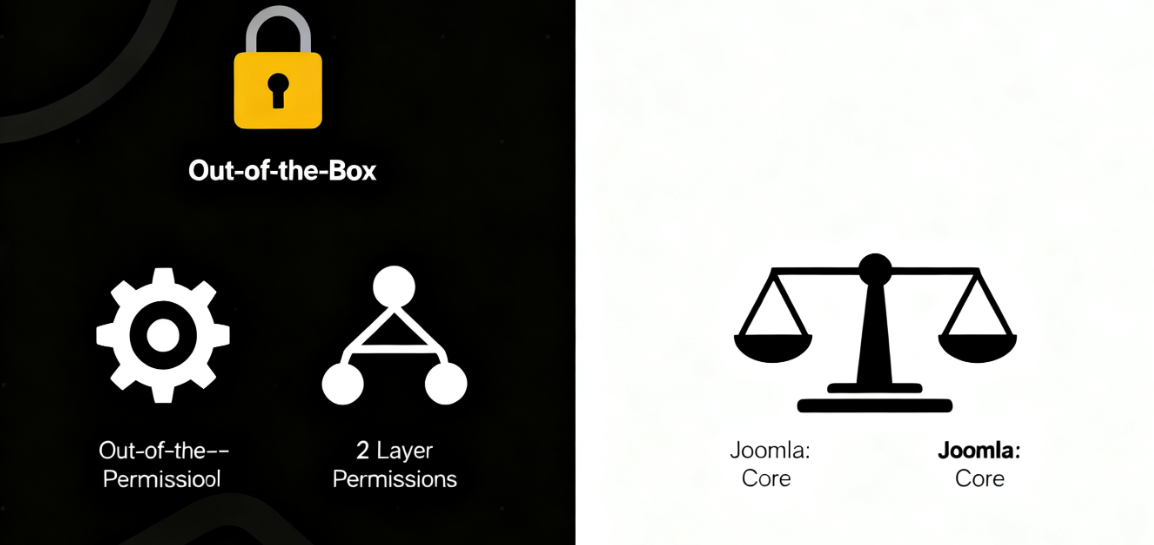
- Core strength: Joomla has a very powerful and fine-grained access control list system, deeply integrated into the core
- Out-of-the-box: administrators do not need to install additional extensions, you can view, create, edit, delete content and manage the permissions set by the user granularity of control is extremely high!
Two-tier rights management
- Global configuration combined with content item level permissions allows special access rules to be set for individual articles or categories. This is a natural advantage for intranets, member stations, and other scenarios that require complex permissions
Architecture Summary: At the core level, Joomla provides stronger out-of-the-box security features, especially in terms of permissions management.WordPress is more lightweight at the core, but its security is enhanced by a strongplug-in (software component)The ecology has been greatly replenished and enhanced.
III. Historical vulnerability and community response
A community that actively fixes vulnerabilities and responds quickly is essential to CMS security.
3.1 Vulnerability Statistics and Type Analysis
Based on historical data from multiple authoritative security platforms:
WordPress
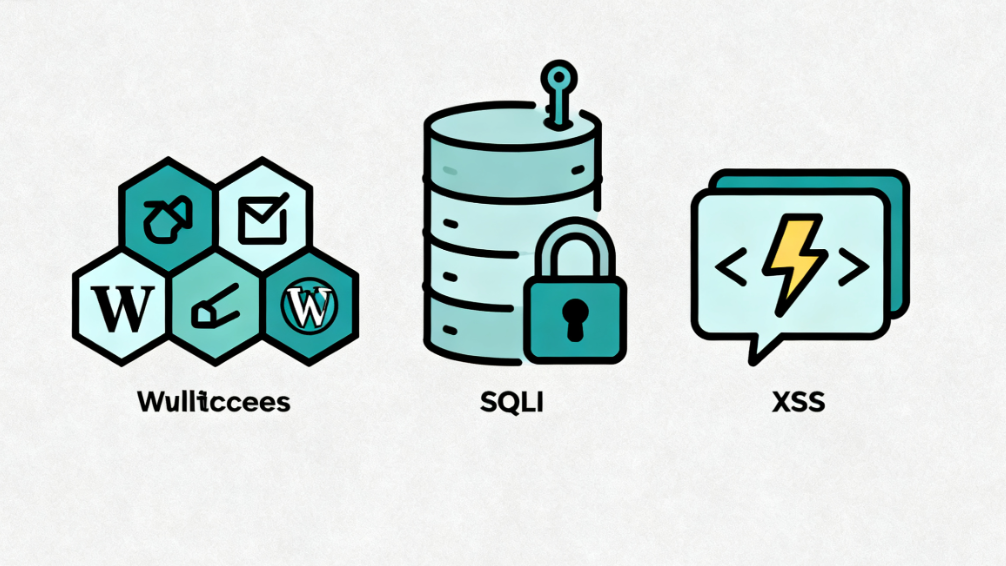
- Primary source: the vast majority of reported security issues do not originate from the WordPress core, but from third-party themes and plugins
- Vulnerability Type:SQLInjection, cross-site scripting, and elevation of privilege are common types of
Joomla
- Core and Extensions: The Joomla core and extensions in its official extension catalog have both had serious vulnerabilities
- Vulnerability type: similar to WordPress, XSS and SQL injection are equally common
3.2 Update mechanisms and community responsiveness

WordPress
- Automated Updates: Supports one-click automated updates of core, plugins and themes, greatly reducing security risks caused by forgotten updates
- Responsiveness: the WordPress security team is very active, and once a core vulnerability is discovered, a security update is usually released quickly and all users are notified via the backend
Joomla
- Update notification: Joomla backend will explicitly prompt for core updates, but the update process usually needs to be done manually with a click
- Extension updates: extension update notifications and processes are not as seamless and automated as WordPress plugin updates
IV. Comparison of security extension ecologies
For most users, the ultimate security of their system is determined by the security tools they use.
4.1 WordPress Security Plugin Ecology
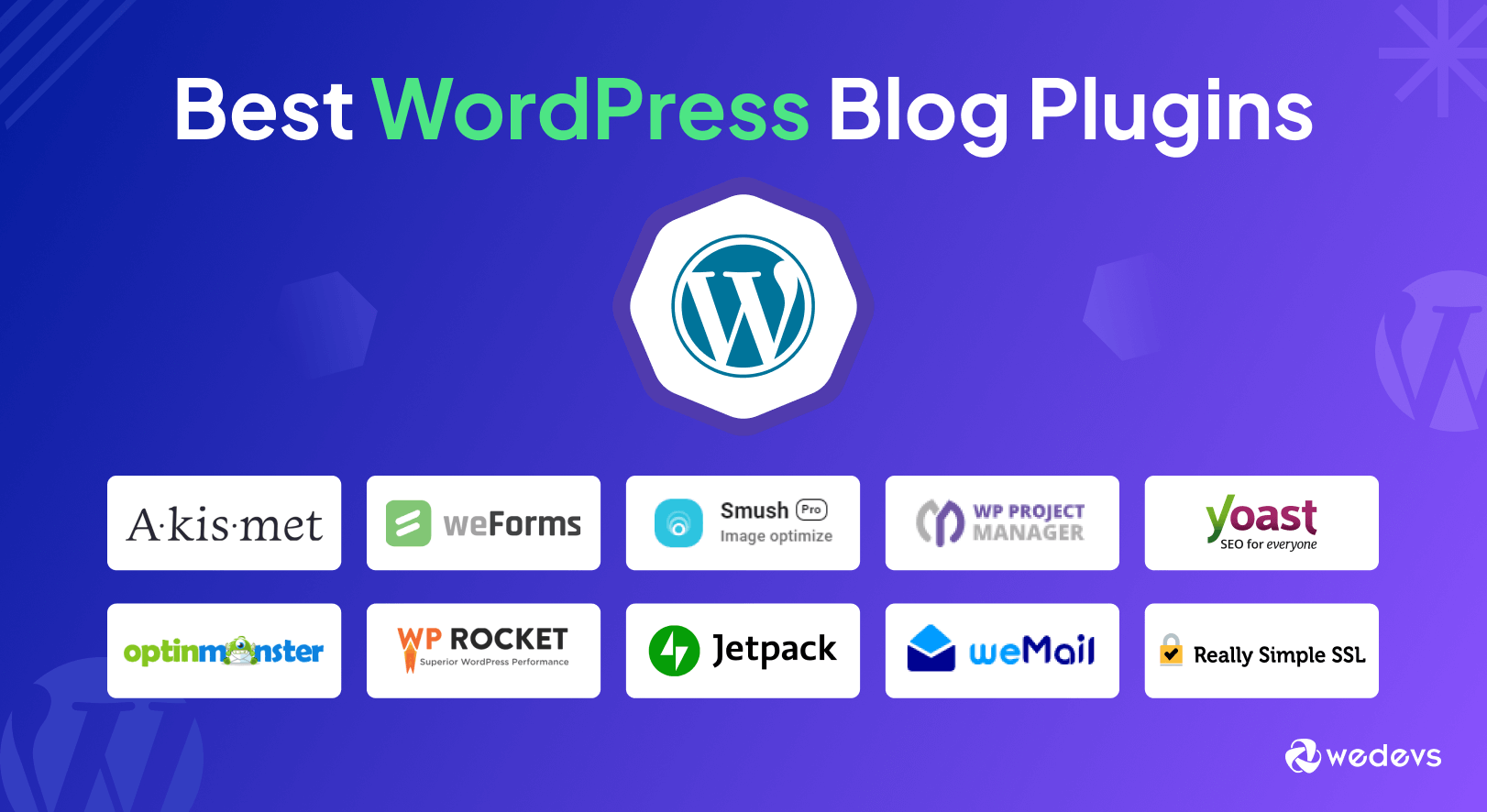
WordPress has an extremely rich and diverse marketplace of security plugins.
All-in-one safety kit
- Wordfence Security: Provides web application firewall, malware scanning, real-time traffic monitoring and login attempt restrictions
- Sucuri Security: specializing in security audits, malware scanning and web firewalls
Focused plug-ins
- Countless plugins dedicated to login security, database backup, activity auditing, etc.
Advantage: Users can freely combine plug-ins according to their specific needs, with an extremely wide range of choices
4.2 Joomla Security Extended Ecology
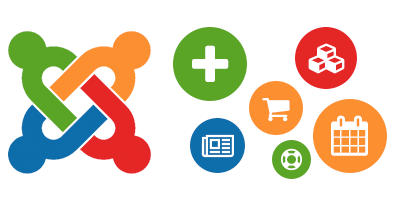
Joomla's security extensions are equally powerful, but slightly less numerous and diverse than WordPress.
Mainstream Security Extensions
- Akeeba Admin Tools: Provides Web Application Firewall, Database Optimization, etc.
- RSFirewall: a full-featured security suite with firewall, malware scanning, system monitoring, and more!
Advantage: Many of the top Joomla security extensions are developed by specialized teams, providing very deep system integration and powerful enterprise-level features
V. Maintenance costs: investment of time and effort
Safety is directly proportional to the investment in maintenance.
5.1 Frequency of core and component updates
WordPress
- Core updates: very frequent, including feature updates and security updates
- Plugin Updates: due to the active ecology, updates are also extremely frequent. Administrators need to handle update notifications frequently and perform compatibility testing
- Maintenance costs: Higher. More time needs to be invested in managing updates to a large number of components
Joomla
- Core updates: long update cycle for major releases, but security updates are released in a timely manner
- Extended updates: relatively infrequent
- Maintenance costs: medium. While regular maintenance is also required, the urgency and frequency of updates is usually lower than WordPress
5.2 Security monitoring and fault recovery
Backup Strategy
- Both have excellent backup extensions. Regular full site backups are a minimum security requirement that both must enforce
Repairing after being hacked
- Since WordPress is a much bigger target, there are more repair services and security companies for hacked websites, and resources are more accessible
VI. Summary and comparative analysis
| safety dimension | WordPress | Joomla |
|---|---|---|
| Core Competence System | Foundation, dependency plugin enhancement | Powerful, out-of-the-box |
| vulnerability targeting | extremely high | relatively low |
| Updates and Responses | Extremely frequent and automated | Timely, but weak automation |
| Secure Extended Ecology | Extremely rich and diverse | Powerful but fewer options |
| Routine maintenance costs | high | moderate |
reach a verdict: WordPress is superior in terms of ease of access to security tools and automated maintenance; while Joomla has the advantage in terms of depth of security and granularity of permissions control in the core architecture. Your choice should be based on your specific project needs, technical capabilities, and the amount of maintenance effort you are willing to invest. No matter which one you choose, positive security awareness and good maintenance habits are the most critical factors in securing your website.

Link to this article:https://www.361sale.com/en/79592/The article is copyrighted and must be reproduced with attribution.









![Emoji[wozuimei]-Photonflux.com | Professional WordPress repair service, worldwide, rapid response](https://www.361sale.com/wp-content/themes/zibll/img/smilies/wozuimei.gif)

![Emoticon[baoquan] - Photon Wave Network | Professional WordPress Repair Services, Worldwide Coverage, Rapid Response](https://www.361sale.com/wp-content/themes/zibll/img/smilies/baoquan.gif)

 简体中文
简体中文  English
  日本語
日本語  Français
  Español


No comments