







In complex e-commerce business scenarios, standardized batch editing functions (WooCommerce advanced bulk edit) often fails to meet the specific needs of more than 68% enterprises. Industry data shows that when there is a need to perform batch operations based on multidimensional conditions, or to realize deep integration with external systems such as ERP and CRM through theAPIDeveloping customized batch operation modules became the best solution.
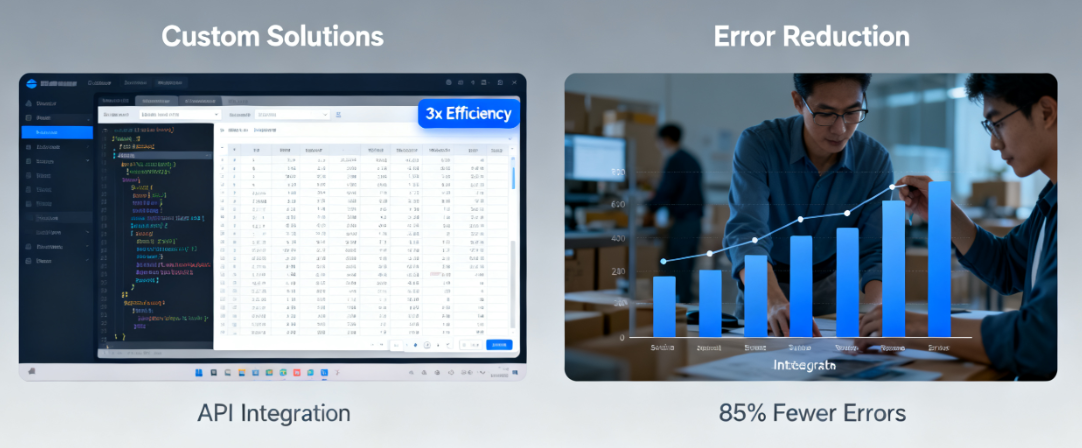
Practice has shown that this development method can increase the efficiency of batch processing by more than 3 times, while reducing 85% manual errors.
I. Architecture Design and Development Specifications
Building reliable custom batch operation modules requires establishing clear architectural design and development standards.
Technology selection is based onWordPress REST APIrespond in singingWP-CLIDual-engine driven to ensure flexibility in the way it operates. Modular design principles split the system into interface, business logic and data access layers, with each layer communicating with each other through clearly defined interfaces.
Code specification follows WordPress coding standards and PSR series specification, to establish a unified code style and quality requirements. Version control system adopts Git for management, with automated testing process to ensure code stability. Dependency management is handled by Composer to ensure version consistency of third-party libraries.
II. Core Functions Realization Program
At the heart of custom batch operations lies the efficient and secure handling of large-scale data.
REST API endpoints are developed using standard registration and permission validation mechanisms. Each endpoint contains a complete permission validation process, including API key validation, user permission checking, and request parameter filtering. Data manipulation uses preprocessing statements to preventSQLInjection, input and output data are strictly validated and filtered.
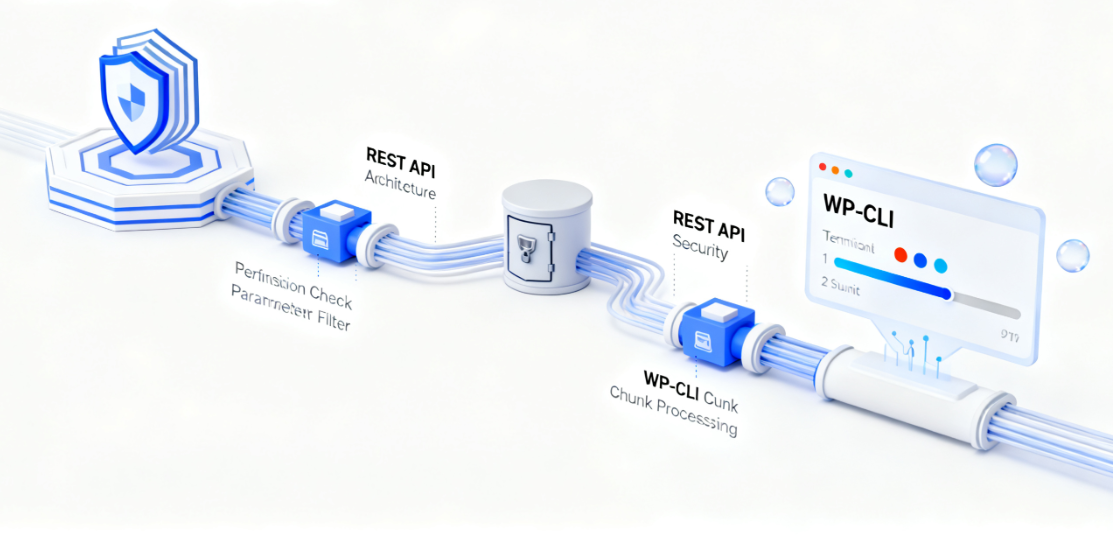
WP-CLI command development focuses on large-scale data processing scenarios. The command design supports chunk processing mechanism to avoid memory overflow problems. The progress feedback system shows the processing status in real time, and the error handling mechanism ensures that partial failures do not affect the overall task execution.
III. External systems integration practices
E-commerce systems require data synchronization and business collaboration with multiple external systems.
ERP inventory synchronization establishes a bi-directional data channel and uses an incremental update strategy to reduce the amount of data transferred. Conflict resolution mechanism is based on ERP data, while discrepancy details are recorded for subsequent analysis. Synchronization status monitoring tracks data consistency and detects synchronization anomalies in a timely manner.
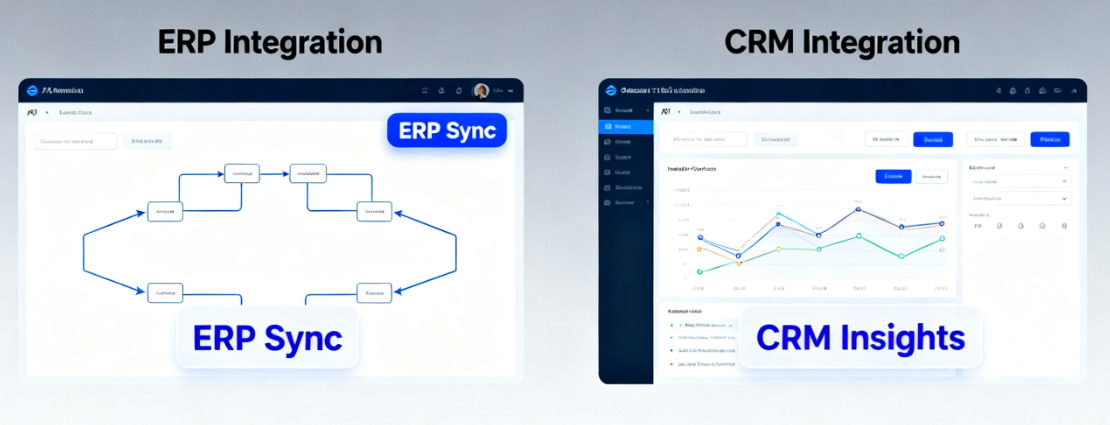
CRM customer data integration enables synchronized updating of customer purchase records through batch interfaces. Customer subgroups are automatically tagged based on purchase behavior data, and marketing effect analysis tracks participation and conversion effects of promotional activities.
IV. Security and performance guarantees
Batch operations involve core business data, where security and performance are critical.
Security protection implements a multi-layer defense strategy. Privilege control system realizes role-based fine-grained access control, operation logs record the complete operation flow, and data encrypted transmission is used.TLS protocolSecure communications.

Performance optimization is specialized for large data volume scenarios. Database optimization establishes appropriate indexing strategies, query optimization reduces unnecessary full-table scans, memory management implements resource monitoring and automatic reclamation, and caching mechanisms reduce the overhead of repetitive computation.
V. Intelligent inventory management in practice
Demonstrate the real value of customized batch operations with an intelligent inventory sorting system.
The system automatically performs product classification management based on inventory status. Inventory monitoring tracks inventory levels in real time, threshold management triggers status changes based on safety stock parameters, and automatic classifiers perform classification adjustments based on rules.
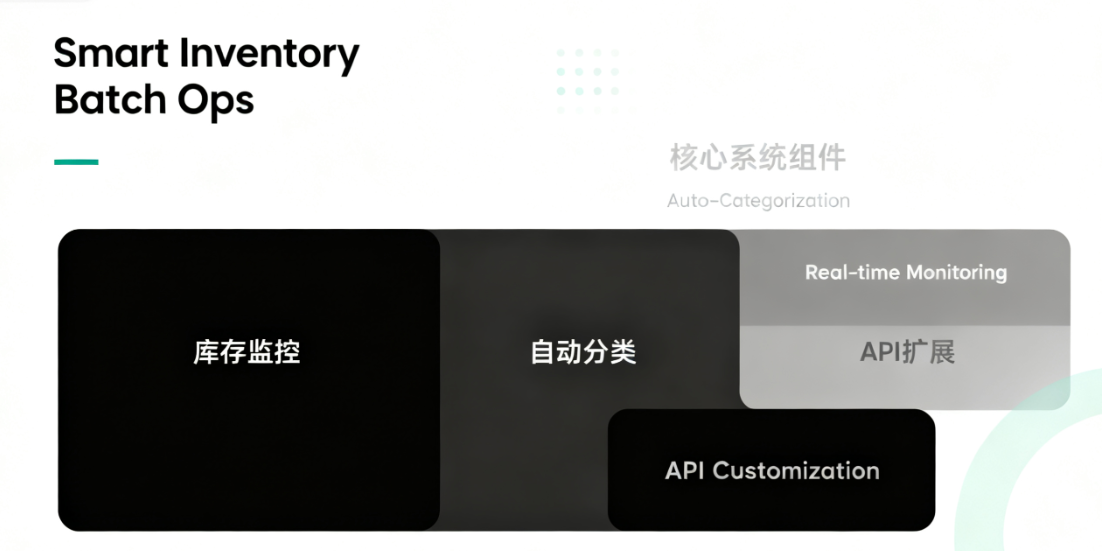
The system deployment adopts the mechanism of timed tasks, and the monitoring alarms discover the operation abnormality in real time. Performance analysis continuously tracks the system's operating efficiency, business reports provide decision support data, and parameter optimization adjusts business rules according to the operating effect.
Through API extension development, enterprises are able to break through the functional limitations of standardized products and build an e-commerce management system that fully meets their business needs. This in-depth customization capability has become a key technical advantage for improving operational efficiency in the increasingly competitive environment of e-commerce.

Link to this article:https://www.361sale.com/en/80581/The article is copyrighted and must be reproduced with attribution.
















![Emoji[wozuimei]-Photonflux.com | Professional WordPress repair service, worldwide, rapid response](https://www.361sale.com/wp-content/themes/zibll/img/smilies/wozuimei.gif)

![Emoticon[baoquan] - Photon Wave Network | Professional WordPress Repair Services, Worldwide Coverage, Rapid Response](https://www.361sale.com/wp-content/themes/zibll/img/smilies/baoquan.gif)


 简体中文
简体中文  English
  日本語
日本語  Français
  Español


No comments