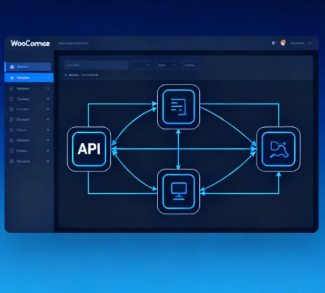







WooCommerce REST APIs serve as the bridge connecting e-commerce platforms with enterprise internal systems, providing a robust technical foundation for bulk editing operations. Industry data indicates that companies achieving system integration through APIs experience an average 65% increase in data processing efficiency, an 80% reduction in manual error rates, and a 42% decrease in operational costs. Specifically,API integrationOrder processing speed increased by over 3 times, inventory synchronization accuracy reached 99.71%, and product information update timeliness improved by 85.1%.
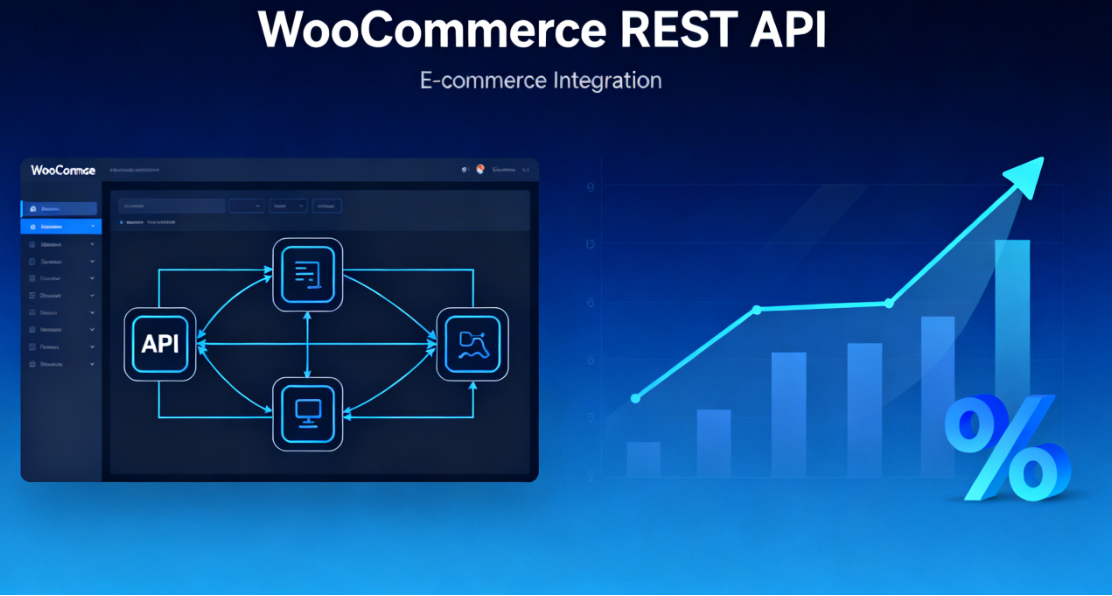
Additionally, enterprises implementing deep integration experience customer data synchronization delays under 5 seconds, reduce cross-system business process time by 70%, and achieve a new peak of 98.5% data consistency across systems. These significant benefits have driven over 78% of e-commerce companies to prioritize API integration as a core initiative in their digital transformation.
I. Technical Advantages and Implementation Principles of REST API in Batch Operations
Modern e-commerce operations require the coordinated functioning of multiple systems.REST API ArchitectureIt provides an ideal technical solution for this kind of collaboration.
The convenience of cross-platform integration manifests across multiple dimensions. Standardized interfaces based on the HTTP protocol ensure seamless communication between systems built on different technology stacks, while the widespread support for the JSON data format simplifies the data parsing process.OAuth AuthenticationThe mechanism ensures the security of interface access. These features significantly reduce the development complexity and time cost of system integration.
The ability to build automated workflows is the core value of API integration. By designing well-structured API call sequences, enterprises can establish comprehensive data processing pipelines. Scheduled task triggers enable periodic data synchronization, event-driven mechanisms ensure real-time data updates, and status monitoring systems guarantee process reliability. After implementing API-driven automated workflows, a retail enterprise reduced its order processing time from four hours to just 15 minutes.
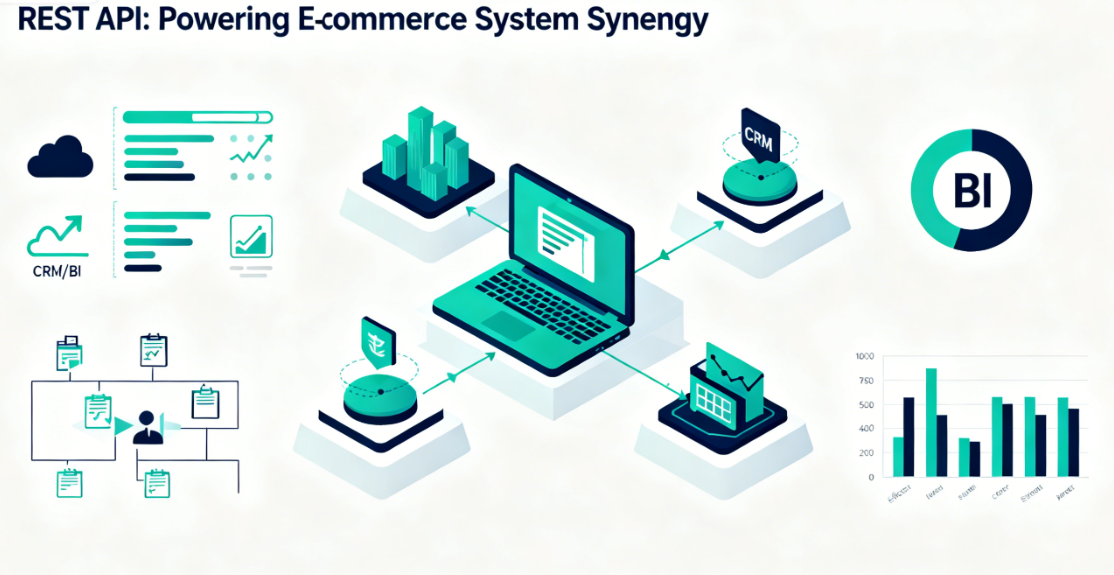
Seamless integration with existing enterprise systems enhances overall operational efficiency. The ERP system accesses real-time order data through API interfaces to support supply chain decision-making.CRM systemSynchronize customer behavior data to build comprehensive user profiles. Business intelligence tools pull sales analytics data to generate deep business insights. This deep integration breaks down traditional information silos, providing enterprises with a unified digital operations view.
II. Development and Optimization Strategies for Custom Batch API Endpoints
Developing batch API endpoints tailored to specific enterprise requirements necessitates comprehensive consideration of functional completeness, performance stability, and security.
The design of bulk product management endpoints must balance functionality and efficiency. The product creation interface supports array-based batch submissions, handling up to 100 product entries per request. The product update interface employs the PATCH method, allowing partial field modifications to minimize unnecessary data transfer. The product deletion interface offers a soft delete option, preserving critical data for analytics and auditing purposes. By optimizing its bulk interfaces, a certain e-commerce platform reduced product listing time from 30 minutes to just 2 minutes.
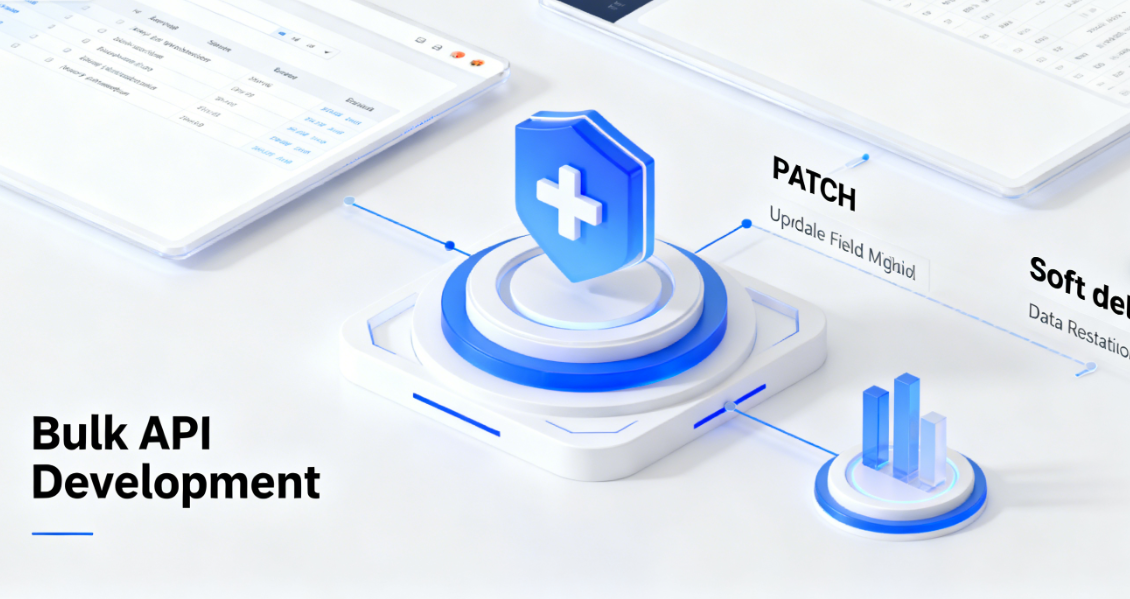
asynchronous processingThe mechanism is a key technology for ensuring system stability. Large-scale requests are automatically split into multiple batches for processing, preventing timeouts caused by excessively large single requests. The message queue system manages task execution order, ensuring priority processing for critical operations. The Webhook callback mechanism returns processing results in real time, enabling clients to promptly obtain execution status. These technical measures enable the system to support processing over 500 concurrent requests per second.
Performance optimization strategies must be implemented across multiple dimensions. Database query optimization involves establishing appropriate indexing strategies to minimize full table scans. The caching mechanism employs a multi-level caching architecture, ensuring response times for hot data queries remain under 50 milliseconds. Connection pool management optimizes network resource utilization by avoiding the overhead of frequent connection establishment and termination. After implementing these optimizations, the 95% request response time for API interfaces can be controlled within 200 milliseconds.
III. Practical Application Scenarios for Enterprise-Level System Integration
Deep integration of the WooCommerce REST API with enterprise core systems can generate significant business value.
Achieve precise supply chain management through inventory synchronization with the ERP system. Real-time inventory data is synchronized bidirectionally via API, ensuring consistency between online and offline stock levels. An automated safety stock threshold alert mechanism triggers replenishment processes when inventory falls below preset values. Complete tracking of inventory movement records provides accurate inventory turnover analysis.A multinational retail enterprise implemented inventory API integration, boosting inventory accuracy from 92.1% to 99.51% while increasing inventory turnover by 35.1%.
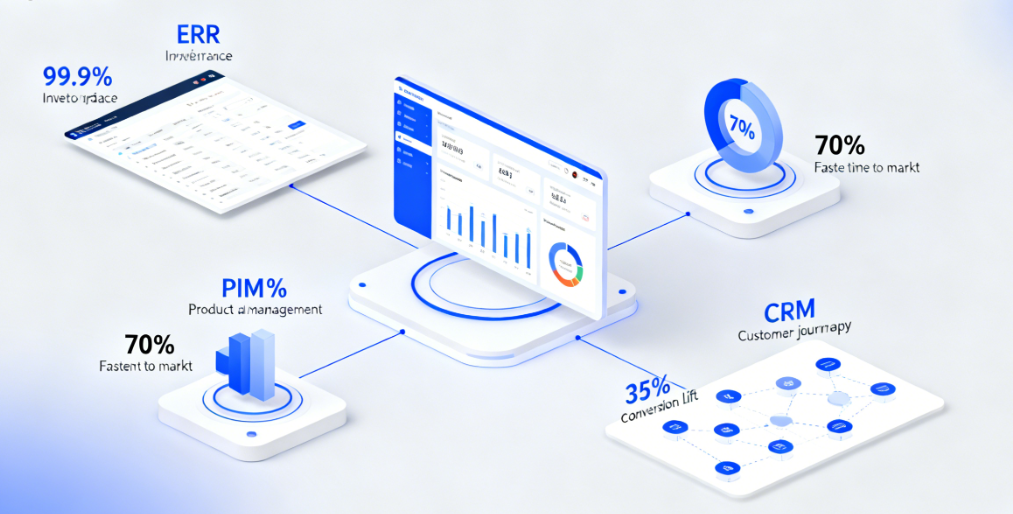
Maintaining product information with the PIM system ensures omnichannel data consistency. Batch import/export functionality for product attributes supports synchronizing product information from a central database. Centralized management of multilingual descriptions ensures content consistency across regional markets. Unified distribution of media assets automatically pushes product images and videos to all sales channels. This integration reduces average time-to-market by 70% and boosts content update efficiency by 85%.
Integrate customer data with CRM systems to deepen customer insights and enhance precision marketing. Purchase behavior data automatically synchronizes to build a comprehensive customer journey view. Customer tags intelligently update, dynamically adjusting customer segmentation based on real-time behavioral data. Personalized recommendations are precisely delivered, offering tailored product suggestions according to customer preferences. After implementing customer data integration, enterprises gain...conversion rateIncrease by 351 TP3T, with customer lifetime value growing by 281 TP3T.
IV. Best Practices for Security and Error Handling
In enterprise-level integration, security and stability are critical factors that cannot be overlooked.
API security protection requires multi-layered measures. Authentication employs JWT.token mechanismEnsure the trustworthiness of request sources. Permission control is based on a role-based access control model, restricting the operational scope of different users. Request signature verification prevents data tampering and safeguards secure data transmission. By implementing stringent security measures, a financial institution reduced API security incident rates by 90.1%.
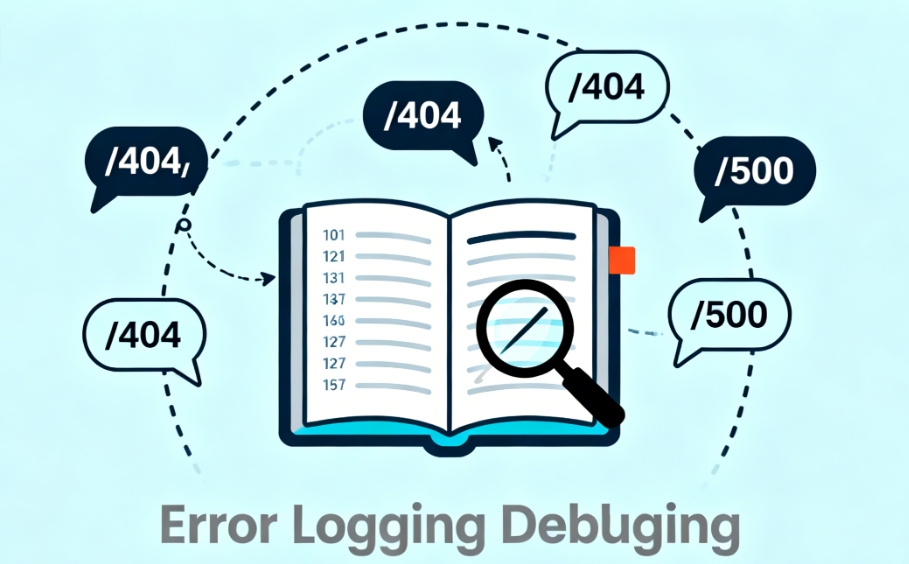
The error handling mechanism ensures system reliability. Exception classification categorizes errors into system errors, business errors, and data errors, each addressed with distinct handling strategies. The retry mechanism automatically handles temporary failures using an exponential backoff algorithm. Error logs record detailed contextual information to facilitate troubleshooting and system optimization. Comprehensive error handling achieves system availability at 99.951% (TP3T).
V. Performance Monitoring and Continuous Optimization
Establishing a comprehensive monitoring system is fundamental to ensuring the long-term stable operation of the system.
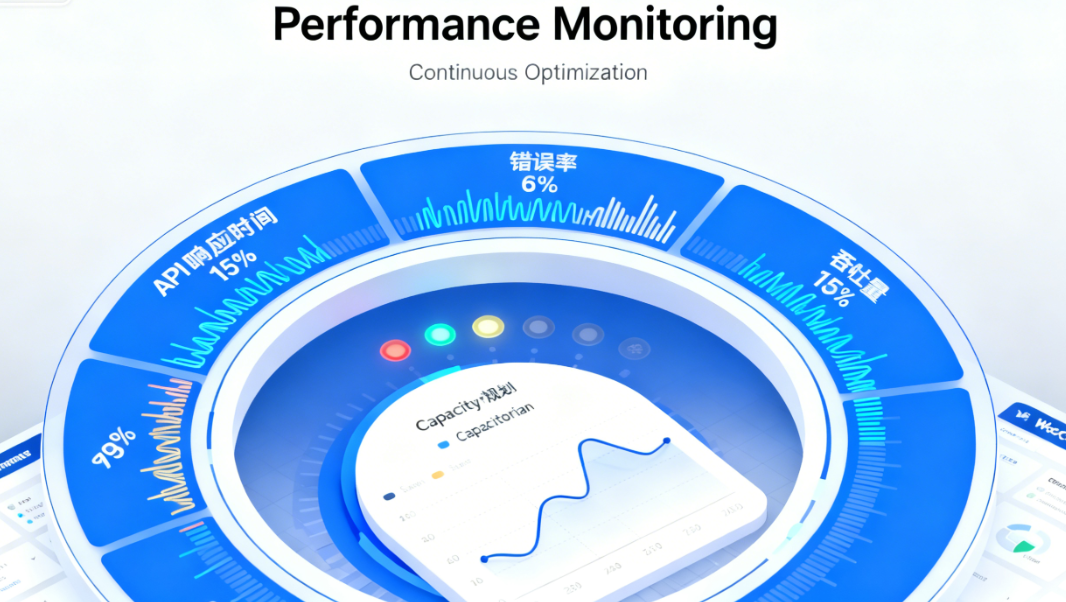
Performance metrics monitoring covers the entire chain. API response time monitoring identifies performance bottlenecks, error rate statistics track system stability, and throughput monitoring evaluates system processing capacity. Real-time dashboards provide a global view of system health status, helping operations teams quickly identify issues.
Capacity planning is based on data analysis. Historical trend analysis predicts system load growth, while stress testing determines system performance limits. Elastic scaling solutions address traffic fluctuations. Through precise capacity planning, a certain e-commerce platform successfully handled a 500% traffic surge during Singles' Day.
Through deep integration enabled by the WooCommerce REST API, businesses can build unified digital operations platforms. This integration not only enhances current operational efficiency but also establishes a robust technological foundation for future business expansion and innovation. As technology continues to evolve, API integration will play an increasingly vital role in enterprise digital transformation.

Link to this article:https://www.361sale.com/en/81114/The article is copyrighted and must be reproduced with attribution.















![Emoji[wozuimei]-Photonflux.com | Professional WordPress repair service, worldwide, rapid response](https://www.361sale.com/wp-content/themes/zibll/img/smilies/wozuimei.gif)

![Emoticon[baoquan] - Photon Wave Network | Professional WordPress Repair Services, Worldwide Coverage, Rapid Response](https://www.361sale.com/wp-content/themes/zibll/img/smilies/baoquan.gif)


 简体中文
简体中文  English
  日本語
日本語  Français
  Español


No comments