






Open source content management systems (CMS) will remain the dominant choice for website building in 2025. Commercial CMS products such asWix,Squarespacerespond in singingShopifyGradually gaining attention, open-source CMSs continue to dominate due to their flexibility, customizability, and large community support. Among themWordPress,Joomla respond in singing Drupal Three open source CMS systems, always the most popular choice.
1. WordPress: user-friendly and scalable
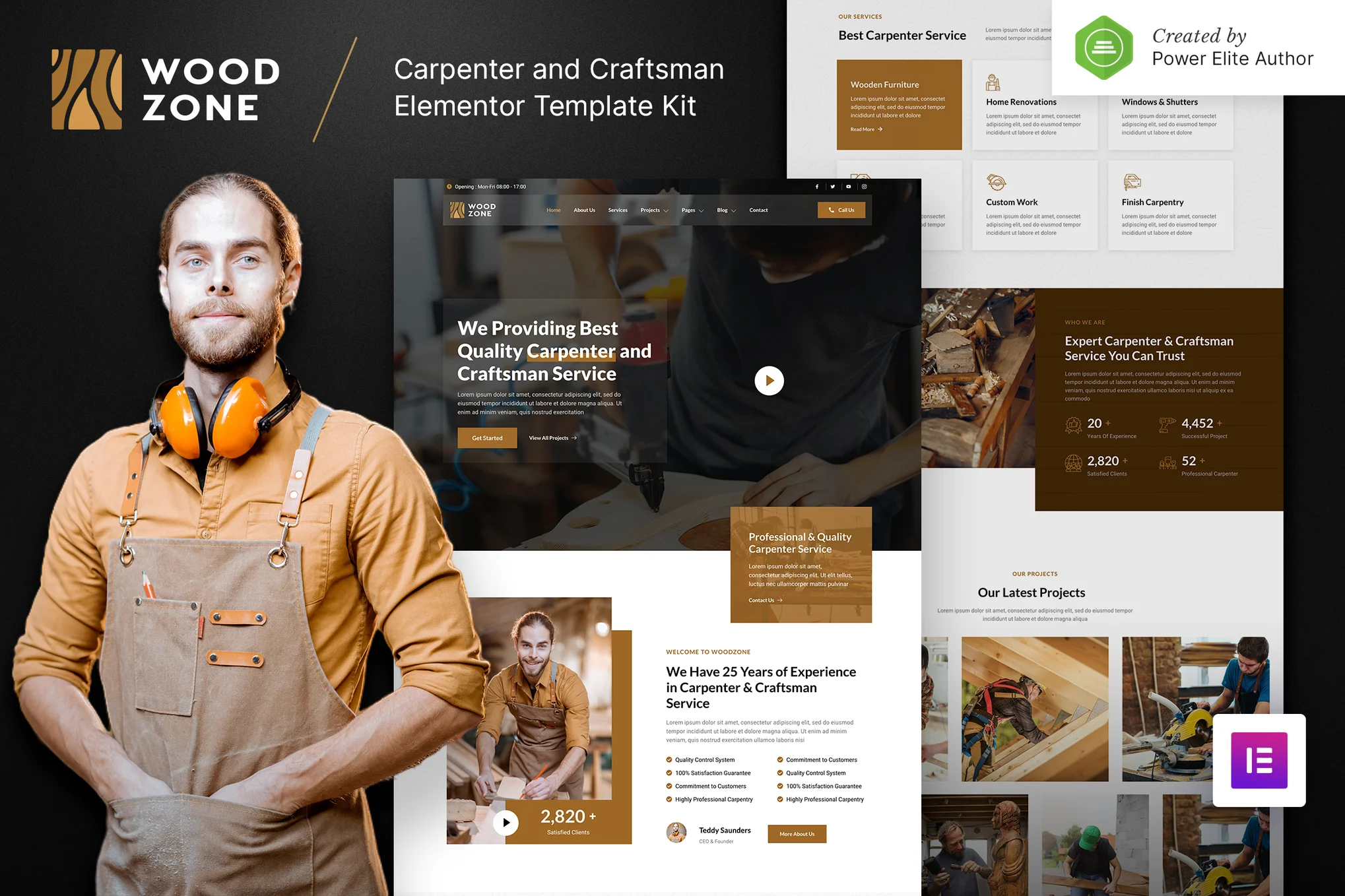
WordPressIs currently the world's most popular CMS system, occupying the global website market of nearly 40%. The biggest advantage is the ease of use and a huge ecosystem of plug-ins, so that both novice developers can easily create and maintain the site.
![Image [1] - Comparison of the most popular open source CMS in 2025: WordPress, Joomla and Drupal advantages and selection guide](https://www.361sale.com/wp-content/uploads/2025/05/20250521091930107-image.png)
Advantage:
- usability: For non-technical users, WordPress provides an intuitive back-end administration interface. With no programming experience, it is also possible to quickly build websites with drag-and-drop editors such as Elementor.
- Huge plugin ecosystem: WordPress has a rich library of plugins, users can easily extend the functionality of the site through plugins. For example.SEOplugins, social sharing plugins, e-commerce plugins (such as theWooCommerce), etc.
- Extensive community support: As the world's most popular CMS, WordPress has a large community of developers and users. Whether it's online tutorials, forums, or business support, there's a solution for almost any problem.
- SEO optimization: WordPress itself has a good SEO foundation and a large selection of SEO plugins to make website optimization easy.
![Image [2] - Comparison of the most popular open source CMS in 2025: WordPress, Joomla and Drupal advantages and selection guide](https://www.361sale.com/wp-content/uploads/2025/05/20250521100336843-image.png)
Disadvantage:
- security issue: Due to its huge market share, WordPress has become a target for hackers. While there are many security plugins available to help enhance protection, it still requires regular updates and maintenance.
- Performance issues: If too many plugins are installed, the WordPress site may become slower, affecting user experience and SEO performance.
2. Joomla: Flexibility for complex projects
Joomlais a feature-rich CMS that is more flexible than WordPress, but also requires a certain technical background to take full advantage of its benefits. Ideal for those who need more customization and complex functionality.
![Image [3] - Comparison of the most popular open source CMS in 2025: WordPress, Joomla and Drupal advantages and selection guide](https://www.361sale.com/wp-content/uploads/2025/05/20250521093921421-image.png)
Advantage:
- dexterity::JoomlaMore customization options are provided to allow users to create complex content architecture and functionality as needed. For example, it supports features such as multi-language websites and multi-site management.
- Powerful Content Management: Joomla provides more powerful features in content management , suitable for dealing with complex content structure .
- Built-in multi-language support: Unlike WordPress, Joomla has built-in multi-language support and does not require additional plug-ins, making it suitable for projects with globalization requirements.
- User Rights Management: Joomla has a strong user rights management features , you can set different access rights for different users , very suitable for sites that require multi-level management .
![Image [4] - Comparison of the most popular open source CMS in 2025: WordPress, Joomla and Drupal advantages and selection guide](https://www.361sale.com/wp-content/uploads/2025/05/20250521100445792-image.png)
Disadvantage:
- Steeper learning curve: Compared to WordPress, Joomla has a harder learning curve and requires some technical background to maximize its features.
- Plugins and themes are not as rich as WordPress: While Joomla has an active community, it is far less rich in plugins and themes than WordPress.
3. Drupal: powerful and scalable for enterprise applications
DrupalKnown for its high scalability and powerful features, it is the first choice for developers and large organizations. Its flexibility and highly customizable capabilities make it suitable for websites with very complex and specific needs.
![Image [5] - Comparison of the most popular open source CMSs in 2025: WordPress, Joomla & Drupal advantages and selection guide](https://www.361sale.com/wp-content/uploads/2025/05/20250521093949141-image.png)
Advantage:
- Height can be customized::DrupalOne of the distinguishing features is its extremely high level of customization. It provides a rich API that allows developers to write custom modules based on their needs.
- Powerful Content Modeling: Drupal's content management system is very powerful, supporting custom content types, fields, views, and more to handle a variety of complex content needs.
- safety: Drupal is widely recognized as the
safest One of the open source CMS. It does a great job with security and many governments and financial institutions use it to build their websites. - scalability: Drupal is ideally suited for sites that need to handle large amounts of data and traffic. Its architecture can be scaled as needed to support complex applications and large-scale websites.
![Image [6] - Comparison of the most popular open source CMS in 2025: WordPress, Joomla & Drupal advantages and selection guide](https://www.361sale.com/wp-content/uploads/2025/05/20250521100711311-image.png)
Disadvantage:
- High learning costs: Drupal is difficult to learn, especially for users without a technical background, and getting started can be difficult.
- Higher development costs: Due to its high level of customizability and complexity, developing a Drupal site usually requires more time and technical resources.
4. Conclusion: How to choose the best CMS?
- If you are a beginner or need a quickly built, easy to maintain website: WordPress is undoubtedly the best choice. Its ease of use, powerful plugin library and active community support help users to quickly build a website that meets their needs.
- If you need more flexibility and sophistication: Joomla is a good middle option for users who need more customization but don't want to be as complex as Drupal.
- If you have a technical background or need to build a large-scale, complex enterprise website: Drupal is undoubtedly the most powerful option. Its high level of customizability, security and scalability make it the first choice for large projects and enterprises.

Link to this article:https://www.361sale.com/en/55433The article is copyrighted and must be reproduced with attribution.















![Emoji[wozuimei]-Photonflux.com | Professional WordPress repair service, worldwide, rapid response](https://www.361sale.com/wp-content/themes/zibll/img/smilies/wozuimei.gif)

![Emoticon[baoquan] - Photon Wave Network | Professional WordPress Repair Services, Worldwide Coverage, Rapid Response](https://www.361sale.com/wp-content/themes/zibll/img/smilies/baoquan.gif)


 简体中文
简体中文  English
  日本語
日本語  Français
  Español


No comments