





in using Elementor,Gutenberg or other WordPress page editorsThere is a common problem that many webmasters encounter when it comes to
The backend editing page is getting stuck, with noticeable input delays and even outright browser unresponsiveness.
This kind of lag is usually not a result of the server "suddenly going bad", but rather a result of the WordPress Heartbeat, autosave mechanism, and plugin/theme conflictsThe result of long term stacking.
I. Typical performance of Elementor page editor lagging
Before you start troubleshooting, make sure the problem you are experiencing fits the following characteristics:
- Significant delay in entering text when editing a page
- Drag-and-drop modules appear to lag or stutter
- Browser CPU usage spikes
- Frequent "Saving" during editing process
- Crashing or white screen directly after a period of time in the background
If the above is in The more complex the page content and the longer the editing time, the more noticeable it is, then the problem is almost certainly not in the foreground, but in the background running the mechanism.

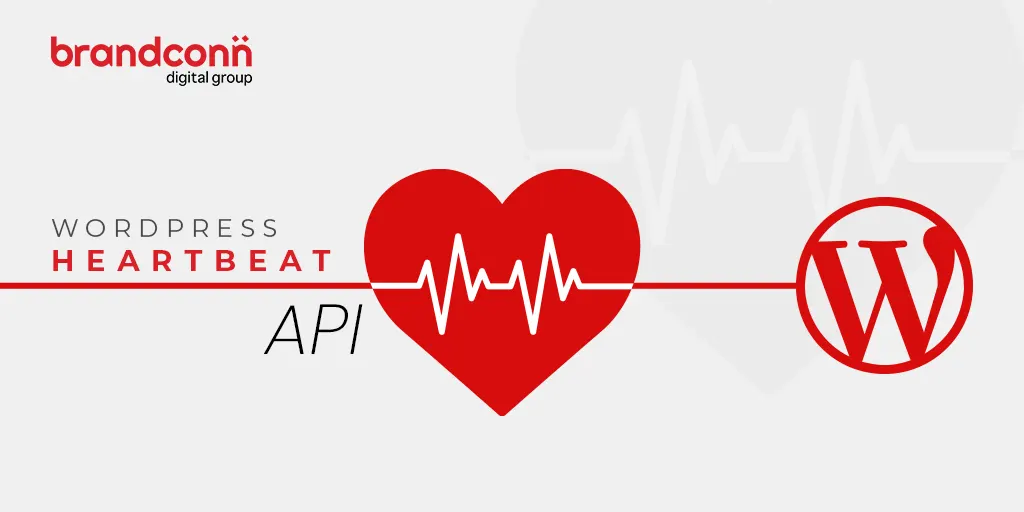
Second, what is WordPress Heartbeat? Why does it cause lag?
The Essential Role of Heartbeat
WordPress Heartbeat is a AJAX-based background polling mechanism, mainly for:
- Automatic saving of drafts
- Lock articles to prevent multiple simultaneous edits
- Real-time session state synchronization
By default, Heartbeat Requests are sent to the server every 15-60 secondsThe

Problems with Heartbeat in Elementor
In Elementor edit mode, Heartbeat will overlay with the following behaviors:
- Page structure changes in real time
- Autosave Trigger
- Plugin listens for edit status
- Browser-side JS Continuity
The result:
Heartbeat Requests + Editor Rendering + Autosave = Highly Concurrent Background Load
When the page is more complex, this load is quickly amplified, leading directly to editor lag.
Why is the front office not affected?
This is a point that many people tend to misjudge:
- Heartbeat primarily runs on Backend (wp-admin)
- Frontend pages don't usually trigger frequently
So you'll see:
- Website access speed is normal
- Editing in the backend is getting slower and slower.
This is why the question is often ignored.
III. Autosave mechanism: the invisible performance killer
How WordPress Autosave Works
WordPress will be in the editing process by default:
- Auto-save every 60 seconds
- Each save generates a revision
- Elementor additionally triggers its own save logic
When editing a page for an extended period of time, a large number of revision records can quickly accumulate in the database.

Chain of problems with autosave
- Frequent database writes
- AJAX Request Stacking
- Page edit status is refreshed frequently
- Repeated synchronization between browser and server
Eventually it manifests itself:
The editor operation is getting sluggish and even unable to continue editing.
Fourth, plug-ins and theme conflicts: the amplifier of the lagging
Common sources of conflict
Elementor itself isn't necessarily the source of the problem, it's often what really amplifies the lag:
- Cache plugin (caching is also enabled in the backend)
- Security plugin (frequent scanning of AJAX requests)
- SEO plugin (real-time analysis of content changes)
- Edit Enhancement Class Plugin (listens to edit events)
These plugins run concurrently while editing in the background, which can create conflicts with Heartbeat, Autosave.
Typical Signs of Conflict
- Editor is noticeably smoother after disabling a plugin
- Lagging only on specific pages (complex content)
- Large number of admin-ajax requests in the Network panel of the console

V. Correct troubleshooting ideas (highly recommended in order)
Step 1: Control Heartbeat for the backend only
Principle: no front-end, no editorial security.
Recommended Practice:
- Limit Heartbeat frequency (instead of turning it off completely)
- Effective only in wp-admin
This significantly reduces the load on the backend while preserving essential functionality.
Step 2: Reduce autosave pressure
It can be optimized in the following ways:
- Extended autosave interval
- Controlling the number of revisions
- Regular cleaning of old revisions
This step is important for Long-term maintenance of the site is particularly importantThe
Step 3: Plugin conflict troubleshooting (most critical)
Suggested methodology:
- Replicating the site in a test environment
- Keep only Elementor + necessary plugins
- Enable plug-ins one by one and watch the editor behave
Key Focus:
- Security Plug-ins
- Caching Plugin
- Editorial Enhancement Plug-ins
Step 4: Theme Compatibility Check
Part of the theme is loaded in the background:
- Redundant Scripts
- Frontend Style
- Editor-independent JS
Recommendation:
- Switch to the official lightweight theme for testing (e.g. default theme)
- Compare editing fluency
VI. Server and environmental factors (easily overlooked)
Even when configured correctly, the following environmental issues can amplify lag: vi. Server and environmental factors (easily overlooked)
- PHP version too low
- Insufficient memory limit
- MySQL Performance Decline
- Enable debug logging in the background
Recommended minimum environment:
- PHP 8.x
- Memory limit ≥ 256MB
- Turn off unnecessary debugging output in the background

VII. A "safe, not aggressive" optimization principle
The most important thing to remember when dealing with Elementor lag:
Don't "turn off all functions" at once.
Wrong practices include:
- Completely disable Heartbeat
- Completely disable autosave
- Forced streamlining of backend functions
The correct approach is:
- Limit the frequency, not turn it off
- Optimize by scenario, not one size fits all
- Ensure editorial security is prioritized over performance limits
VIII. Summarize: How to solve Elementor lagging from the root?
If summarized in one sentence:
The Elementor page editor is stuck, essentially Heartbeat + Autosave + Plugin Conflicts + Page Complexity of superimposed results rather than a single issue.
The path to a truly effective solution is:
- Backend Heartbeat Frequency Control
- Optimization of autosave and revision mechanism
- Plugin conflicts are troubleshooted on a case-by-case basis
- Theme and server environment checking
By following this sequence, most Elementor editing lag issues can be resolved in the No impact on the frontend, no sacrifice of security The premise of the settlement.

Link to this article:https://www.361sale.com/en/86548The article is copyrighted and must be reproduced with attribution.













![Emoji[wozuimei]-Photonflux.com | Professional WordPress repair service, worldwide, rapid response](https://www.361sale.com/wp-content/themes/zibll/img/smilies/wozuimei.gif)

![Emoticon[baoquan] - Photon Wave Network | Professional WordPress Repair Services, Worldwide Coverage, Rapid Response](https://www.361sale.com/wp-content/themes/zibll/img/smilies/baoquan.gif)


 简体中文
简体中文  English
  日本語
日本語  Français
  Español


No comments