





Many businesses and developers are often faced with an important decision:chooseOpen Source CMSOr chooseCommercial CMS? The answer to this question depends on many factors, two of the key ones are usually "
I. Open source CMS: flexibility and cost advantages
1. Flexibility: high degree of customization and control
An open source CMS, as the name suggests, has its source code publicly available for anyone to view, modify and distribute. This means that developers have full control overCMSThe functionality and appearance can even be adapted to the core code according to business needs.
![Image [1] - "Open source CMS vs. commercial CMS: Flexibility and cost analysis, choosing the best CMS](https://www.361sale.com/wp-content/uploads/2025/05/20250526113700354-image.png)
Flexibility Advantage::
- Customized Functions: You have the freedom to choose plugins, themes, and even develop customized features with virtually no limitations. This is very attractive for websites that require a high degree of customization.
- Code Access and Optimization: Having the full source code means you can optimize performance for the specific needs of your site, or fix any potential bugs.
- technological freedom: Choosing an open source CMS usually allows for multiple technology stacks, is not limited by platform, and allows developers to work with a familiar technology environment.
- No license restrictions required: There are no license fees to pay, and you are free to install, use and modify the software without worrying about additional fees.
Flexibility challenges ::
- development cost: While open source CMSs do not have license fees, they are more expensive to develop and maintain. Developers need to invest time and effort to customize and optimize the system, especially for complex website features, and may need to hire professional developers.
- Security and maintenance: Open source CMSs rely on the community for maintenance and security updates, which means users are responsible for monitoring and updating on their own. For small businesses that lack technical support, additional resources may be required to ensure website security.
![Image [2] - "Open source CMS vs. commercial CMS: Flexibility and cost analysis, choosing the best CMS](https://www.361sale.com/wp-content/uploads/2025/05/20250526113940492-image.png)
2. Cost: low initial investment, but long-term costs need to be considered
One of the key advantages of an open source CMS is its zero license fee, meaning you don't need to pay anything for the software itself. For companies on a tight budget, especially startups, an open source CMS is a very economical option.
Cost Advantage::
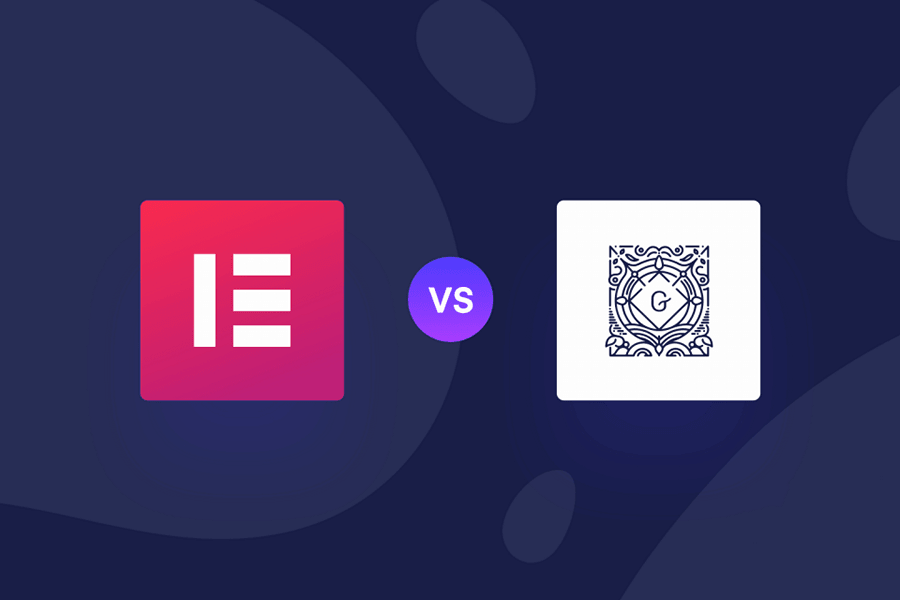
- zero license fee: Whether it's
Joomla ,WordPress ,Drupal neverthelessGrav etc., none of the open source CMSs require the purchase of a license or payment of an annual subscription fee.
![Image [3] - "Open source CMS vs. commercial CMS: Flexibility and cost analysis, choosing the best CMS](https://www.361sale.com/wp-content/uploads/2025/05/20250526114519123-image.png)
- Save on development costs: If an organization has its own technical team, it can save the cost of outsourcing by developing and maintaining it itself.
- Flexible options: Open source CMSs usually have a large number of free plugins and themes, and while premium features may require payment, the overall cost is still low.
The cost challenge::
- Development and maintenance costs: While the initial cost is low, development and maintenance costs can add up quickly if the site requires complex functionality or a high degree of customization. The cost of hiring a developer, regular security updates, and bug fixes can all lead to additional expenses.
- Security and Support: If an organization doesn't have a dedicated IT team, it may need to purchase paid plug-ins or hire a third-party service provider to resolve technical issues and perform security maintenance.
II. Commercial CMS: Comprehensive Functionality and Convenient Support
Commercial CMSs are developed and delivered by specialized companies and usually include a complete suite of features, technical support and services. Compared to open source CMSs, commercial CMSs are usually easier to install, use and maintain, but differ in their flexibility and cost.
1. Flexibility: lower freedom of customization
Commercial CMSs often offer out-of-the-box functionality and pre-set templates designed to allow users to build and launch websites quickly. However, this convenience often comes with certain flexibility limitations.
Flexibility Advantage::
![Image [4] - "Open source CMS vs. commercial CMS: flexibility and cost analysis, choosing the best CMS](https://www.361sale.com/wp-content/uploads/2025/05/20250526142142273-image.png)
- Simple user experience: Commercial CMSs typically provide non-technical users with an intuitive interface and setup wizard to help them easily create and manage websites.
- All-in-one solutions: Many commercial CMSs offer a full suite of features, including website building,SEO optimization, content editing, e-commerce support, etc. can be used directly by the user without additional plug-ins or development.
- Reliable technical support: Most commercial CMSs offer quality customer support and solutions are usually more timely than open source CMSs.
Flexibility challenges::
- Customization is limited: The source code of most commercial CMS is not publicly available and users can only develop and modify it within the framework provided by the platform. This may result in the inability to meet some unique functional requirements under highly customized demands.
- closed ecosystem: Commercial CMSs are usually limited in terms of technology stack, plugin or theme choices, and users are limited to choices within the platform's ecosystem.
![Image [5] - "Open source CMS vs. commercial CMS: flexibility and cost analysis, choosing the best CMS](https://www.361sale.com/wp-content/uploads/2025/05/20250526142421716-image.png)
Third, the comparison of open source CMS and commercial CMS summary
| comparison term | Open Source CMS | Commercial CMS |
|---|---|---|
| dexterity | Highly customizable, full source control, suitable for developers | More limited, fixed functionality for rapid deployment and simple use |
| (manufacturing, production etc) costs | Low initial cost, but higher long-term development and maintenance costs | Higher initial investment, but technical support and services are provided to reduce maintenance difficulties |
| Support & Services | Dependent on community support, need to handle technical issues on their own | Provide professional technical support and services, suitable for enterprises lacking technical team |
| Applicable Scenarios | Ideal for complex websites or applications that require a high degree of customization and control | Ideal for rapid deployment and maintenance of simpler sites |
concluding remarks
Whether you choose an open source CMS or a commercial CMS, both have their unique advantages and disadvantages. Open source CMS attracts a large number of developers for its flexibility and low cost, but also requires more technical investment and maintenance. Commercial CMS, on the other hand, offers a complete range of services and a convenient operating experience for organizations that need to build quickly and have a long-term budget.

Link to this article:https://www.361sale.com/en/55983The article is copyrighted and must be reproduced with attribution.














![Emoji[wozuimei]-Photonflux.com | Professional WordPress repair service, worldwide, rapid response](https://www.361sale.com/wp-content/themes/zibll/img/smilies/wozuimei.gif)

![Emoticon[baoquan] - Photon Wave Network | Professional WordPress Repair Services, Worldwide Coverage, Rapid Response](https://www.361sale.com/wp-content/themes/zibll/img/smilies/baoquan.gif)


 简体中文
简体中文  English
  日本語
日本語  Français
  Español


No comments