




same content, same set of hosting environments.SEO Rankings rarely vary wildly just because the editor is different.. What really pulls the rug out from under them is often:Is the page structure clear, heavy resources, maintenance and reorganization will not have accidents. Overall.Gutenberg is more "native and migratory", saving you money in the long run..;Elementor can be solid too, but it's more of a test of your management of page weight and header structureThe
![Image [1] - Gutenberg vs Elementor SEO: who is more stable and less hassle?](https://www.361sale.com/wp-content/uploads/2026/03/20260303094425953-image.png)
1 SEO "stability".Google Internet company What's the main thing to look for?
1.1 Grasping and understanding: is the structure clear?
Search engines prefer to "read smooth" page: the title of the hierarchy of understanding, paragraphs around the theme, link relationships natural.
The editor itself does not determine whether the content is good or bad, but it does affect the structure of the output.
1.2 Speed and interaction: don't make the page too heavy
The heavier the page, the more likely it is to slow down the first screen and interactive response, which in turn affects inclusion and ranking fluctuations. Common Concerns:
- Speed of maximum element appearance on the first screen (LCP)
- Tap button, expand menu response (INP)
- Page jitter (CLS)
![Image [2] - Gutenberg vs Elementor SEO: who is more stable and less hassle?](https://www.361sale.com/wp-content/uploads/2026/03/20260303095003996-image.png)
1.3 Content and internal links: information should be systematic
The more aggregated content on the same topic, the clearer the internal links, the more "stable" the site. This part has little to do with the editor, but the editor will affect the efficiency of your catalog, FAQ, jump links.
1.4 Maintenance and migration: don't hurt the content skeleton with your revisions
SEO's biggest fear is not a skin change, but a revamped appearance:
- The headline hierarchy is a mess
- Massive page structure redo resulting in duplicate or missing content
- Body text becomes a pile of shortcodes or blank after plugin is deactivated
2 Gutenberg: Reasons and Notes for More Stable SEO
![Image [3] - Gutenberg vs Elementor SEO: who's more stable and hassle-free?](https://www.361sale.com/wp-content/uploads/2026/03/20260303094628131-image.png)
2.1 Output closer to native content
Gutenberg's blocks are closer to the core WordPress ecosystem, and the HTML tends to be cleaner and more semantically consistent. The content area is "cleaner" for crawlers, making it easier to locate body text.
2.2 Easier control of resources
For the most part, Gutenberg relies on theme styles and a small number of core scripts. When the page is not spent, the number of requests and scripts are less burdensome, and the speed is easier to stabilize.
2.3 Can also roll over: too many stacks of block plug-ins
Gutenberg Slow, common is not the core problem, but:
- Too many block enhancement plugins installed, each with styles and scripts
- Too many external components embedded in articles (maps, videos, social media cards)
- Uncompressed images, too many font sets
These issues stack up and, as usual, pull down the first screen and stability.
3 ElementorSEO can be stable, but it's more of a test of "discipline".
3.1 More container layers and a bigger DOM
Elementor has a lot of nested containers and styles for visual layout. As the page gets more complex, the DOM gets bigger, scripts get bigger, and the first screen and interactions fluctuate more easily.
3.2 Most error-prone: header hierarchies and hidden content
There are two common types of SEO minefields when visualizing a build:
- Visualize a headline, but actually use plain text; or H2/H3 order is messed up
- Folds, Tabs, and Popups put a lot of key content in them, and the main body of the text thins out instead
These can affect the page's thematic focus and readability.
3.3 Long-term risk: readability of content after decommissioning
Elementor has a "lock-in" cost: when discontinuing or replacing a system, the readability of body text can drop significantly. For long-running sites, this puts pressure to redo structure and rearrange content, which increases the probability of ranking fluctuations.
4 Same-site practice: a "SEO stabilization checklist".
![Image [4] - Gutenberg vs Elementor SEO: who's more stable and hassle-free?](https://www.361sale.com/wp-content/uploads/2026/03/20260303095151165-image.png)
4.1 Common to both (highest priority)
- Only 1 H1 per pageThe rest are in H2/H3.
- The main area of the first screen is clear on the topic: headline + key paragraph + related subheadings
- Unified image compression (WebP), first screen image size matching the real display area
- Table of Contents and Anchor Links Do It: Longer Articles Better Capture the Focus
- Don't scatter internal links: do "main article + sub articles + FAQ" around the same topic.
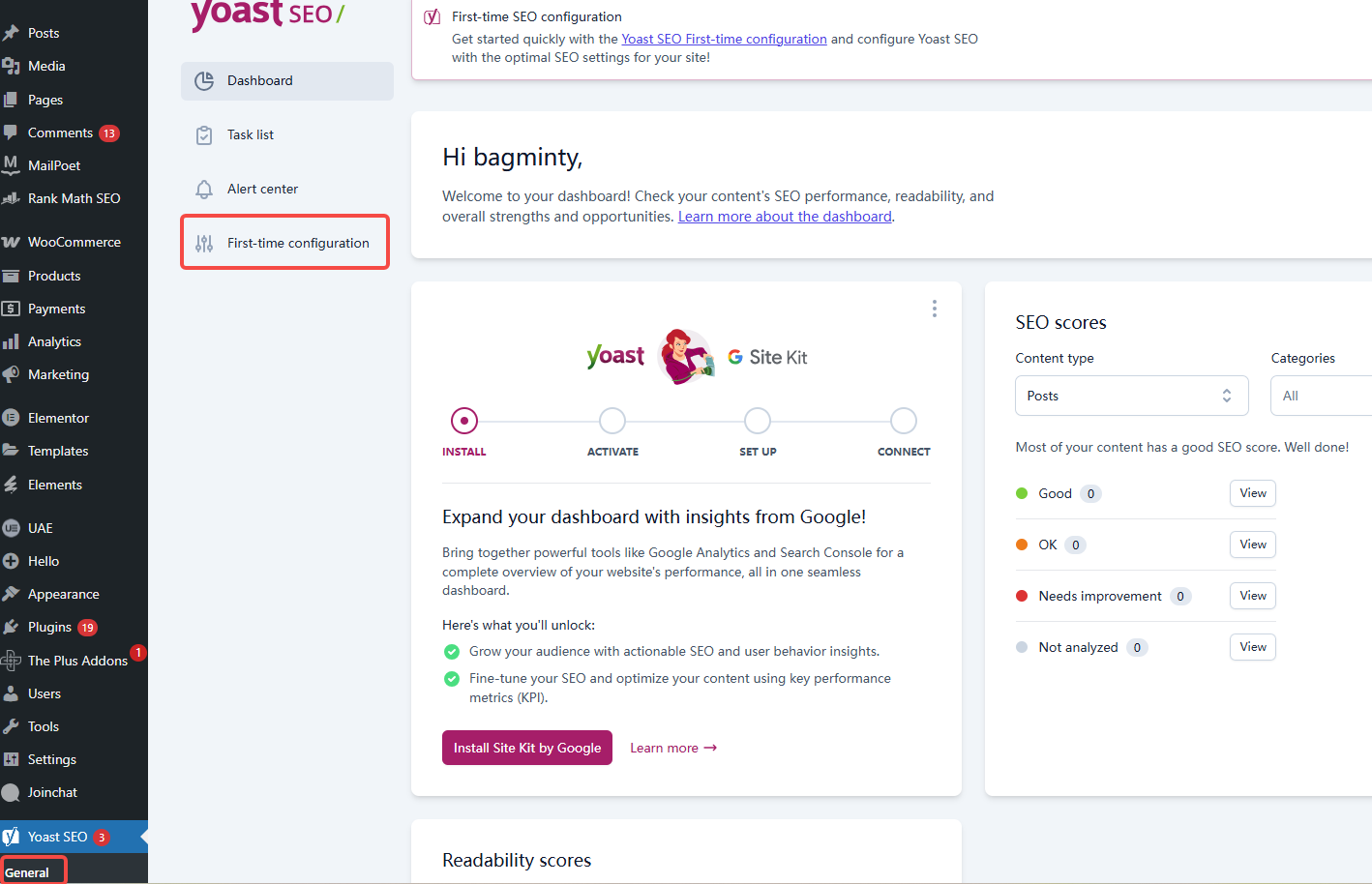
- FAQ, breadcrumb, and post structured data configured by plugin specification (Rank Math/Yoast et al.)
4.2 Gutenberg specialization
- Block plug-ins are few and far between, avoiding a bunch of "fancy blocks" enabled at the same time.
- Don't abuse external embedding by reusing block styles, use static images if you can!
- Theme styles to do a unified specification: title, list, button style to maintain consistency
4.3 Elementor-specific
- prioritization Container system that reduces multiple layers of nesting
- Less use of rotation, parallax, complex dynamic effects; can be static on static
- Site-wide font and icon libraries for closure: don't have multiple sets of fonts and icons stacked on top of each other!
- Page level to do resource thinning: do not use the components do not put, the template do not copy out redundant structure
- Check if the "visual title" is really H2/H3, don't just change the font size!
5 Selection advice: picking by site type
5.1 Content-based sites (tutorials, blogs, Q&A)
Gutenberg is more recommended: naturally fresh structure, low maintenance, more stable in the long term.
5.2 E-commerce and product stations
Both are available. The key is not to be too flowery on the product page: the information on the first screen should be focused, the pictures should be light, and the reviews and FAQ should be standardized.
5.3 Frequent Changes in Event Pages and Landing Pages
Elementor saves more time on layout, but you have to set rules: template reuse, dynamic restraint, resource closure, or the page will get heavier and heavier.
6 Conclusion
SEO "stability", the core in the structure, speed, maintenanceGutenberg is more "native and long term stable"; Elementor can also be stable to get ranked, but it is more necessary for you to control the page weight, title hierarchy, template reuse. If you have a lot of content on your site and want to grow it on a rolling basis, Gutenberg is more stable; if you have a lot of active pages and frequent revisions, Gutenberg is more stable.Elementor Be smoother, but be more disciplined.

Link to this article:https://www.361sale.com/en/87047The article is copyrighted and must be reproduced with attribution.


















![Emoji[wozuimei]-Photonflux.com | Professional WordPress repair service, worldwide, rapid response](https://www.361sale.com/wp-content/themes/zibll/img/smilies/wozuimei.gif)

![Emoticon[baoquan] - Photon Wave Network | Professional WordPress Repair Services, Worldwide Coverage, Rapid Response](https://www.361sale.com/wp-content/themes/zibll/img/smilies/baoquan.gif)


 简体中文
简体中文  English
  日本語
日本語  Français
  Español


No comments