





Mega Menu's Impact on SEO Analysis and Best Practices
WordPress Mega MenuIt can enhance the website navigation experience, but its impact on search engine optimization has been discussed. In this paper, we analyze the impact of Mega Menu onSEOThe potential risks and benefits of SEO and provides a set of actionable best practices to help webmasters ensure SEO results while improving user satisfaction.
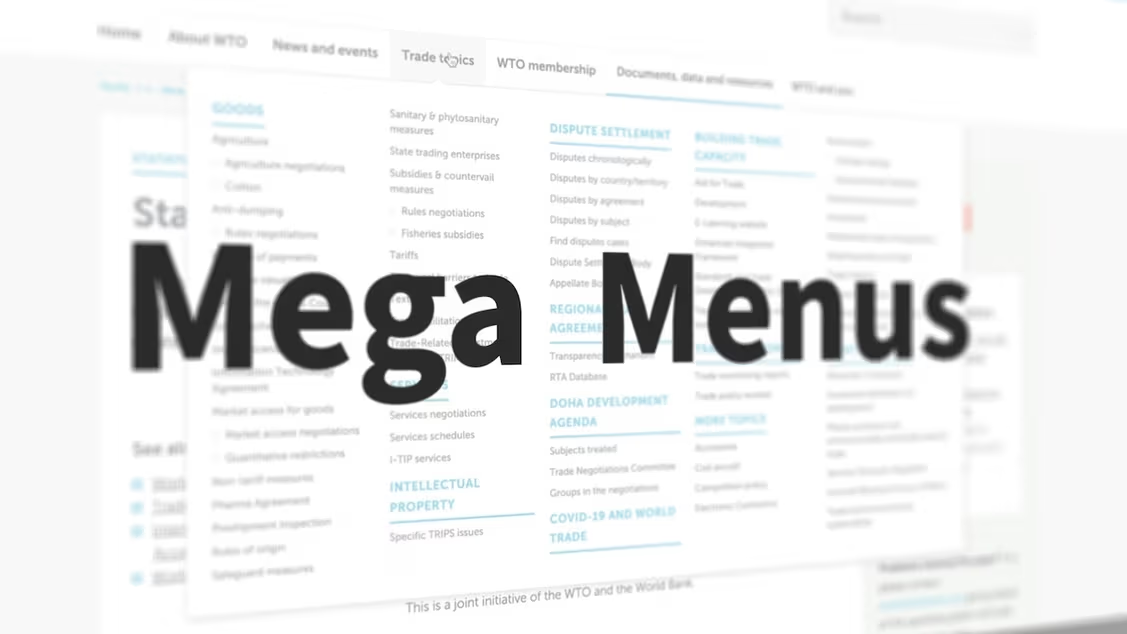
1. Potential Risk Analysis of Mega Menu on SEO
Improper design and implementation can have a negative impact on website SEO.
1.1 Technical implementation issues: non-crawlable content-The most central SEO risk.
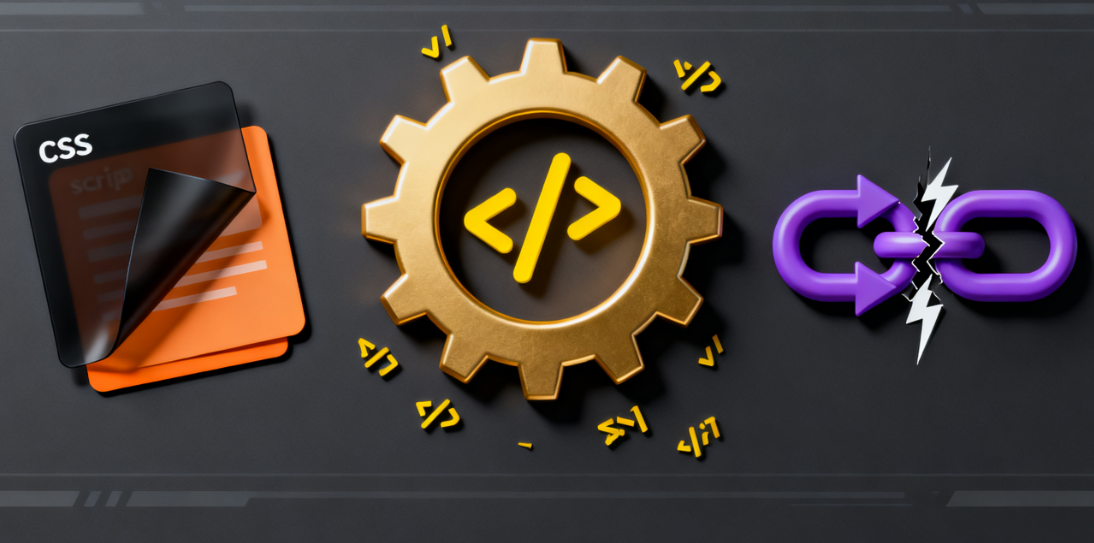
- Over-reliance on JavaScript: Many modern Mega Menus load content dynamically via JavaScript. Search engine crawlers that are unable to parse this code will not be able to index the links and content within the menu, and internal link weights will not be passed on.
- CSSMisjudgment of hidden content: utilization
display: none;CSS properties such as initially hiding the dropdown content, the complex implementation of the possibility of not being recognized by search engines.
1.2 Impaired website performance and core indicators
Mega Menu is usually accompanied by a lot of HTML, CSS and JavaScript code.
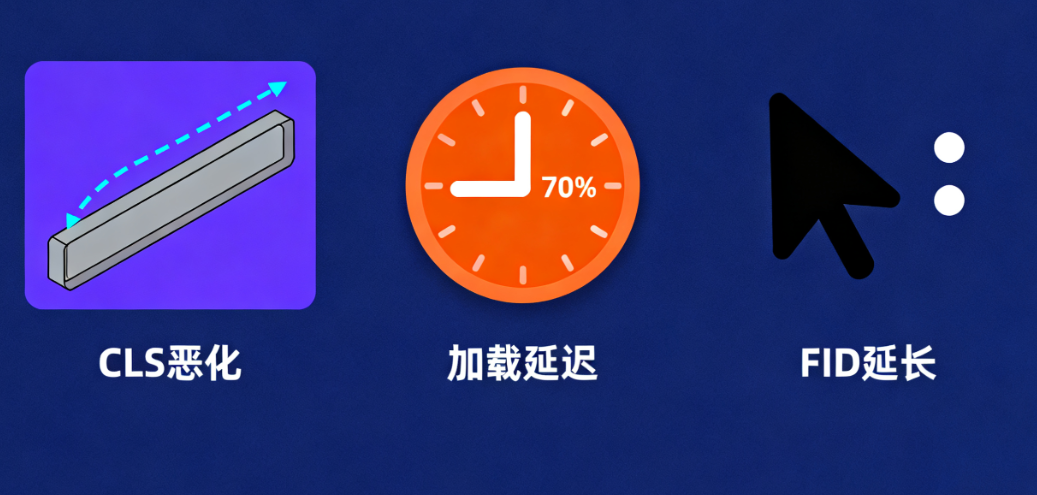
- Increased loading time: Excessive code can lengthen page load times and page speed is a known ranking factor.
- Impact user experience metrics: Likely to deteriorateCumulative layout offset (CLS) respond in singingFirst input delay (FID). For example, sudden changes in page layout due to menu loading can severely impact CLS metrics
1.3 Internal link structure weight dilution
- Excessive number of links: A Mega Menu may contain a large number of links. Too many links dilute the weight delivered by individual links, making important pages receive less weight.
- Catch budget waste: Search engine spiders have a limited crawling budget. Spending a lot of resources on unimportant links in the menu can delay the discovery of new content on the site.
2. Analysis of Mega Menu's Potential SEO Benefits
Implemented correctly, Mega Menu can be a powerful SEO asset.

2.1 Enhancement of website structure and user satisfaction
- Clear visual site map: A logical and clear Mega Menu visualizes the core content structure of the website, helps users find information quickly and reduces the bounce rate, which has a positive impact on SEO.
- Flatten the site structure: Direct links from the home page to deep and important pages flatten the structure of the site, making it easier for search engines to find and crawl content.
2.2 Optimize internal links and anchor text
- Centralized weight distribution: Efficiently distribute link weight from the home page to important category or content pages.
- Use keyword anchor text: The link text in the menu can naturally contain the target keywords, making the page topic clear to search engines.
3. SEO Friendly Mega Menu Best Practices
To maximize returns and avoid risk, follow these core principles.
3.1 Core Principle: Crawlable and Indexable Content
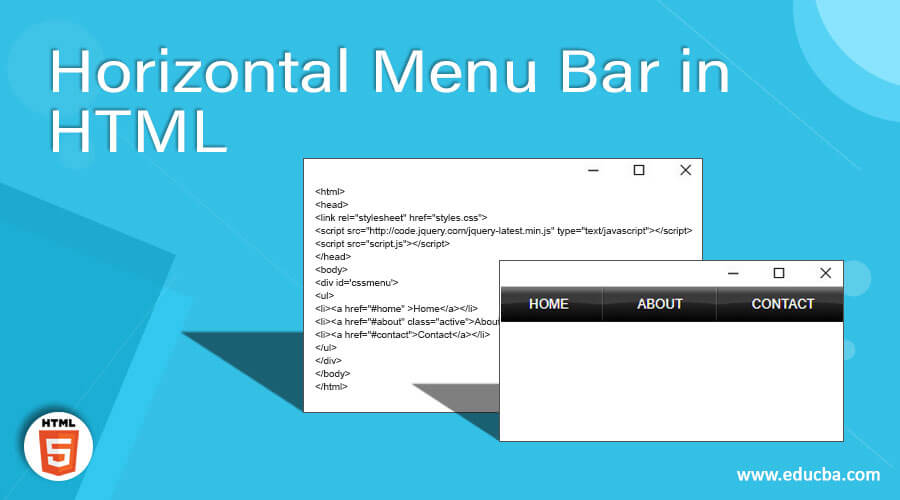
- Preferred HTML/CSS scheme: The most SEO-friendly implementation is to use plain HTML and theCSSBuild the menu with all links and content directly in the source code to ensure full visibility to the crawler.
- Handle JavaScript with care: If JS is used, the base structure should be an HTML list, and JS is only responsible for interactive effects. Use Google Search Console's "URL Check" tool to validate the "Crawled Page Snapshot" and make sure the menu links are visible to the crawler.
3.2 Performance optimization: ensuring load speeds
- Choose a lightweight solution: When choosing a theme or plugin, prioritize Mega Menu implementations that are known for their performance.
- Code Streamlining: Compress the relevant CSS and JavaScript files to ensure they are loaded efficiently.
3.3 Information Architecture and Mobile Adaptation
- Logical and clear architecture: The menu structure should reflect the site's content hierarchy, highlighting core pages and categories.
- Mobile Adaptation: Given the mobile-first index, the Mega Menu must be responsive on mobile, often converting to a "hamburger menu" and easy to use by touch.
4. Comparison and summary of programmes
| characterization | Traditional Simple Menu | SEO Friendly Mega Menu | Inadequate technical realization of the Mega Menu |
|---|---|---|---|
| technical realization | Pure HTML/CSS | HTML/CSS based, JS for interaction | Heavy reliance on JS to load content |
| SEO Impact | Safe, but with limited functionality | Significant gains (improving structure, internal linking) | High risk (content not visible, slow) |
| customer satisfaction | Simple, but poorly scalable | Excellent, clear and efficient navigation | OK for desktop, probably not good for mobile |
| maintenance cost | lower (one's head) | center | middle to high |
5. Conclusions and recommendations
The final result of Mega Menu depends entirely on the quality of implementation.
- For large sites with complex content structuresAdoptionSEO Friendly Mega MenuIt makes sense. It improves user satisfaction and internal link structure, provided that best practices for crawlability and performance optimization are strictly followed.
- For small sites with a simple structure, a traditional clean menu is the safer and more efficient choice, avoiding unnecessary complexity and performance overhead.

Link to this article:https://www.361sale.com/en/79528The article is copyrighted and must be reproduced with attribution.
















![Emoji[wozuimei]-Photonflux.com | Professional WordPress repair service, worldwide, rapid response](https://www.361sale.com/wp-content/themes/zibll/img/smilies/wozuimei.gif)

![Emoticon[baoquan] - Photon Wave Network | Professional WordPress Repair Services, Worldwide Coverage, Rapid Response](https://www.361sale.com/wp-content/themes/zibll/img/smilies/baoquan.gif)


 简体中文
简体中文  English
  日本語
日本語  Français
  Español


No comments