





I. Introduction: When search is no longer a simple "guessing game"
In the early days of mobile search, optimization was more of a "guessing game". We guessed which keywords users would enter and then repeated those words as many times as possible on the page. Today's Google, however, with itsBERT,MUMand other natural language processing models, a profound paradigm shift has been accomplished.
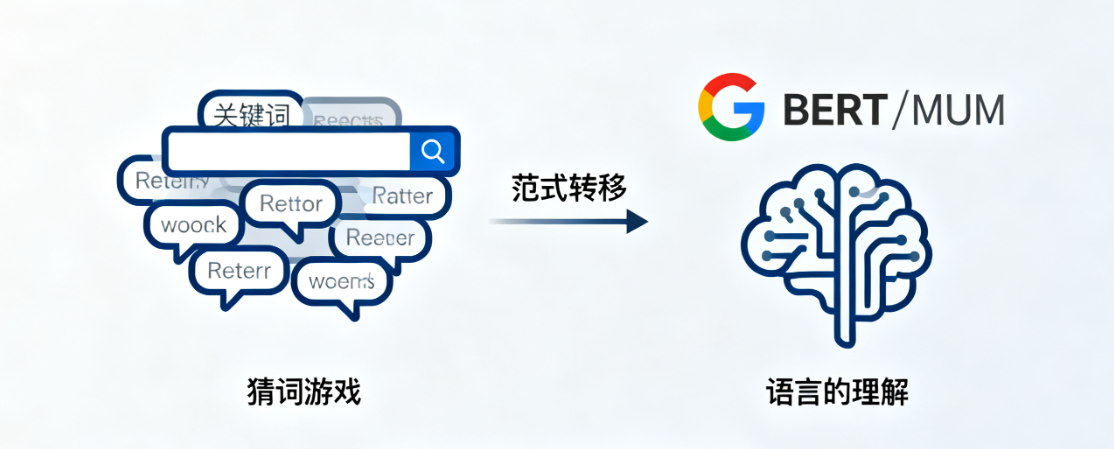
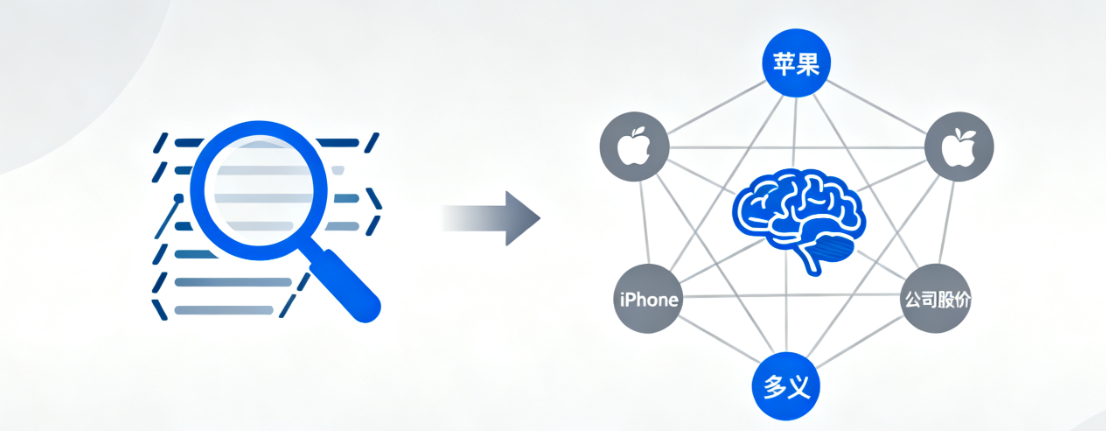
Search is no longer just about string matching, but has evolved into a search for thecontent entitytogether withuser search contextThe depth of understanding. Users searching for "Apple" may intend to buy fruits, learn the latest information about iPhone, or inquire about Apple's stock price. In this context, mobile optimization software that relies on traditional keyword density checks is outdated. The value of modern professional tools lies in their ability to help us understand and optimize the entity network and semantic relationships behind the content, so as to remain competitive in the era of intelligent search.
II. Professional Focus: Three Semantic Analysis Core Capabilities of Modern SEO Tools
To adapt to this change, it's important to understand the core semantic analytics capabilities offered by the next generation of mobile-based ranking tools.
1. Entity mapping and linkage analysis
Entities are the basic semantic units of the search domain, referring to clearly recognizable objects, concepts, or events in the real world, such as "Elon Musk", "Tesla Cybertruck", or "Carbon Neutral". ".
- Mechanisms for operationalizing the tool: A professional tool scans and analyzes the entire content of a page like a careful librarian. It automatically recognizes all the entities mentioned in the text and builds an "entity map".
- Strength of association assessmentMore importantly, the tool evaluates the strength of the semantic association of these recognized entities with your target core topic. For example, an article about "electric cars" is considered semantically rich if the tool recognizes highly relevant entities such as "lithium batteries," "charging networks," "self-driving," and so on. If the tool recognizes highly relevant entities such as "lithium battery", "charging network", "autonomous driving", etc., the content is considered semantically rich. Conversely, the presence of a large number of weakly related entities may suggest that the content is off-topic or lacking in depth.
2. Assessment of the authority of the topic
Google ranking systemIncreasingly, there is a tendency to view the entire website as a source of knowledge and to evaluate its overall topic area-specific(having) authorityThe
- Content breadth and depth analysis: The tool scans all the content within your website that is related to the core topic and assesses whether you have comprehensively covered the various sub-topics of that topic. For example, does a fitness website systematically cover all relevant areas such as muscle building, fat loss, nutrition, sports injury protection, etc.?
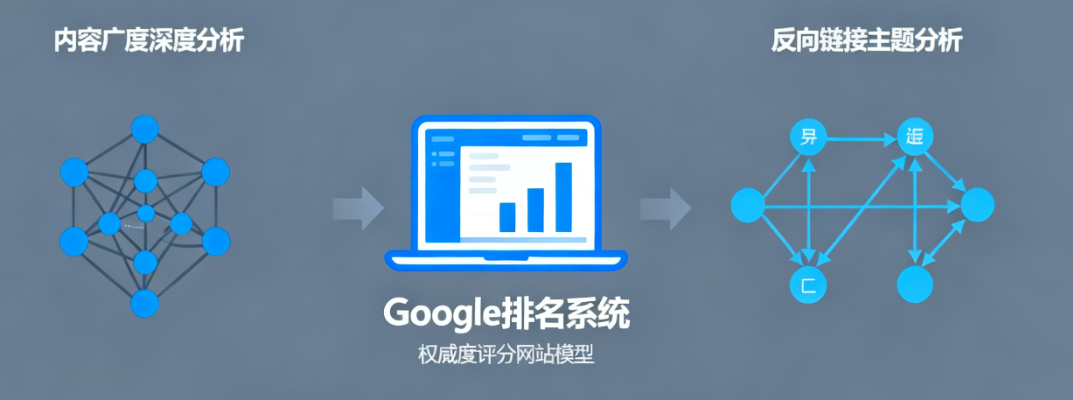
- Backlink Theme Analysis: The tool analyzes the information from other websitesbacklinkThe focus is no longer simply on quantity, but on the topic focus of the site from which the link originated. A link from an authoritative fitness blog carries much more weight in building authority on the topic of "fitness" than a link from an unrelated pet supply site. Specialized tools can quantify this vote of confidence from authoritative sites on the same topic.
3. Semantic search intent classification
Understanding "why" users search is just as important as understanding "what" they are searching for. Search intent is typically categorized as navigational, informational, commercial research, and transactional.
- Intent recognition technologyModern tools use machine learning models to automatically categorize the intent of target keywords based on large amounts of search data. It will determine that "best smartphone" belongs to the business research type, while "iPhone 15 official website" belongs to the navigation type.

- Diagnosis of content-intent match: The tool further diagnoses whether the content attributes of your page match the search intent. If the target keyword is the informational "how to change tires" and your page is a product listing page, the tool will issue a warning that the content type does not match the user's expectations, which can lead to highbounce rateand poorly ranked.
III. The old versus the new: a paradigm revolution from keyword density to entity richness
This comparison clearly reveals the fundamental evolution of SEO optimization concepts.
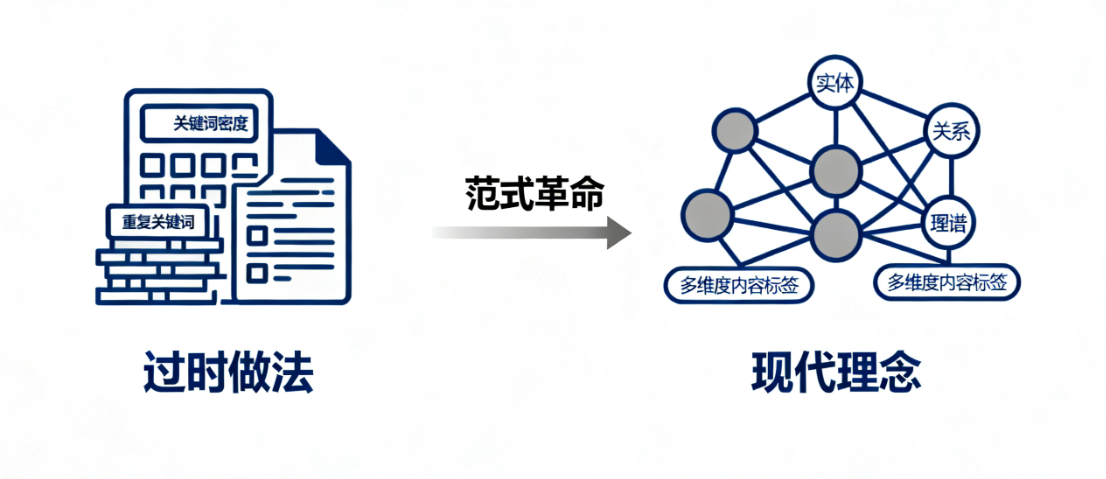
1. Outdated practices: keyword density checking and stacking
In the past.SEOWorkers use tools to double-check the percentage of targeted keywords that appear on a page. They believe there is a "magic number" and try to reach it by mechanically repeating keywords in headlines, body text, and image ALT attributes. Not only does this practice impair reading fluency, but it can be viewed by modern search engines as deliberate manipulation, which can lead to negative results.
2. Modern methods: entity richness analysis and semantic network construction
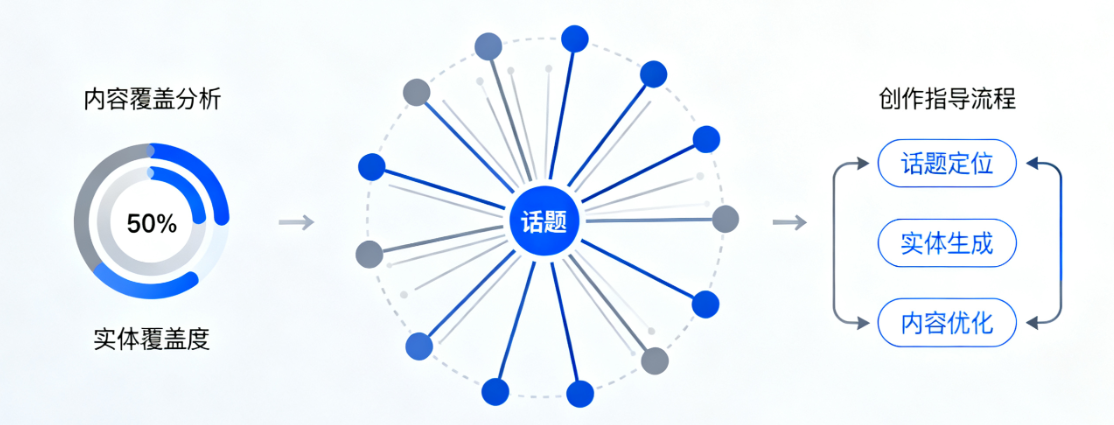
Contemporary professional approaches have completely abandoned the quest for fixed density in favor of the semantic quality of content and the comprehensiveness of entity coverage.
The optimization process shifts to first identifying the core topic, then using the tool to generate a network of entities related to that topic, followed by an analysis of how well existing content covers those related entities. Finally, the guiding principle for creating content is no longer the repetition of keywords, but the conscious coverage of key entities and sub-topics that have not yet been fully elaborated in the topic's semantic network. This approach produces natural, comprehensive content that perfectly meets the user's need for in-depth understanding of a topic, and fits right in with Google's criteria for evaluating high-quality content.
IV. Conclusion: Embracing Semantic Search as an Inevitable Choice
In today's mobile search-dominated world, semantic understanding has become the cornerstone of ranking algorithms. Continue to cling to the keyword density of such surface indicators, is tantamount to using the old map to find a new continent in the age of intelligence.
The value of professional mobile ranking optimization software has evolved from a simple rank tracker to a powerful semantic analysis and content strategy consultant. By leveraging its entity mapping, topic authority assessment and intent classification features, we can optimize the structure and meaning of content at the atomic level, building a topic authority that truly meets the needs of users and search engine algorithms. This shift from "keywords" to "entity and intent" is not a simple technical upgrade, but a revolution in thinking that all SEO practitioners must keep up with.

Link to this article:https://www.361sale.com/en/80298The article is copyrighted and must be reproduced with attribution.













![Emoji[wozuimei]-Photonflux.com | Professional WordPress repair service, worldwide, rapid response](https://www.361sale.com/wp-content/themes/zibll/img/smilies/wozuimei.gif)

![Emoticon[baoquan] - Photon Wave Network | Professional WordPress Repair Services, Worldwide Coverage, Rapid Response](https://www.361sale.com/wp-content/themes/zibll/img/smilies/baoquan.gif)


 简体中文
简体中文  English
  日本語
日本語  Français
  Español


No comments