




What truly determines whether a page gains visibility isn't the size of your website or how often you update it, but whether you've chosen keywords that are easiest to rank for on Google. If the keywords themselves have a clear competitive landscape, well-defined search intent, and high content relevance, even new or low-authority websites can achieve stable rankings in a relatively short time.
This article will systematically break down which keywords are more likely to be indexed, understood, and ranked by Google, focusing on the core concept of keywords that are easiest to rank for on Google. It will also provide actionable methods for determining this.

I. What are the "keywords most likely to rank on Google"?
The keywords that rank most easily on Google aren't necessarily those with the highest search volume. Instead, they are keywords that are more likely to achieve organic rankings through content quality and relevance within the current competitive landscape.
According to Google's official documentation, the core objective of a search system is "to provide users with the most relevant and helpful content," rather than prioritizing the display of websites with the highest rankings.
According to Google Search Central's official guidelines, ranking evaluation focuses on:
- Does the content meet the search intent?
- Is the page centered around a single theme?
- Is the information clear, accurate, and verifiable?
- Does the page offer genuine value, rather than being duplicated or stuffed?
Therefore.The keywords most likely to achieve Google rankingsThey typically share the following common characteristics:
- Clear search intent
- The scope of the topic can be controlled.
- Content can be deeply covered
The current search results exhibit significant gaps in content.
II. Keywords with clear search intent are easier to rank for.
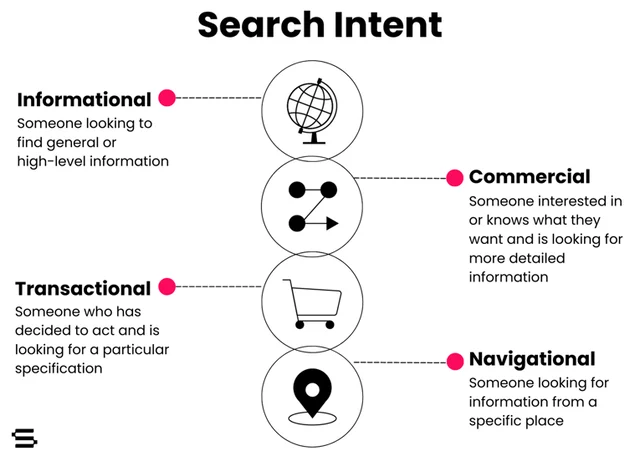
Among all influencing factors, the clarity of search intent is the primary criterion for determining keyword difficulty. Google states in its official documentation that...How Search WorksIt explicitly states that the system prioritizes understanding "what problem the user wants to solve" before determining which pages to display.
1. Question-based keywords are easier to rank for.
In practice,Question-based keywordsOften more likely to achieve Google rankings than generic terms.
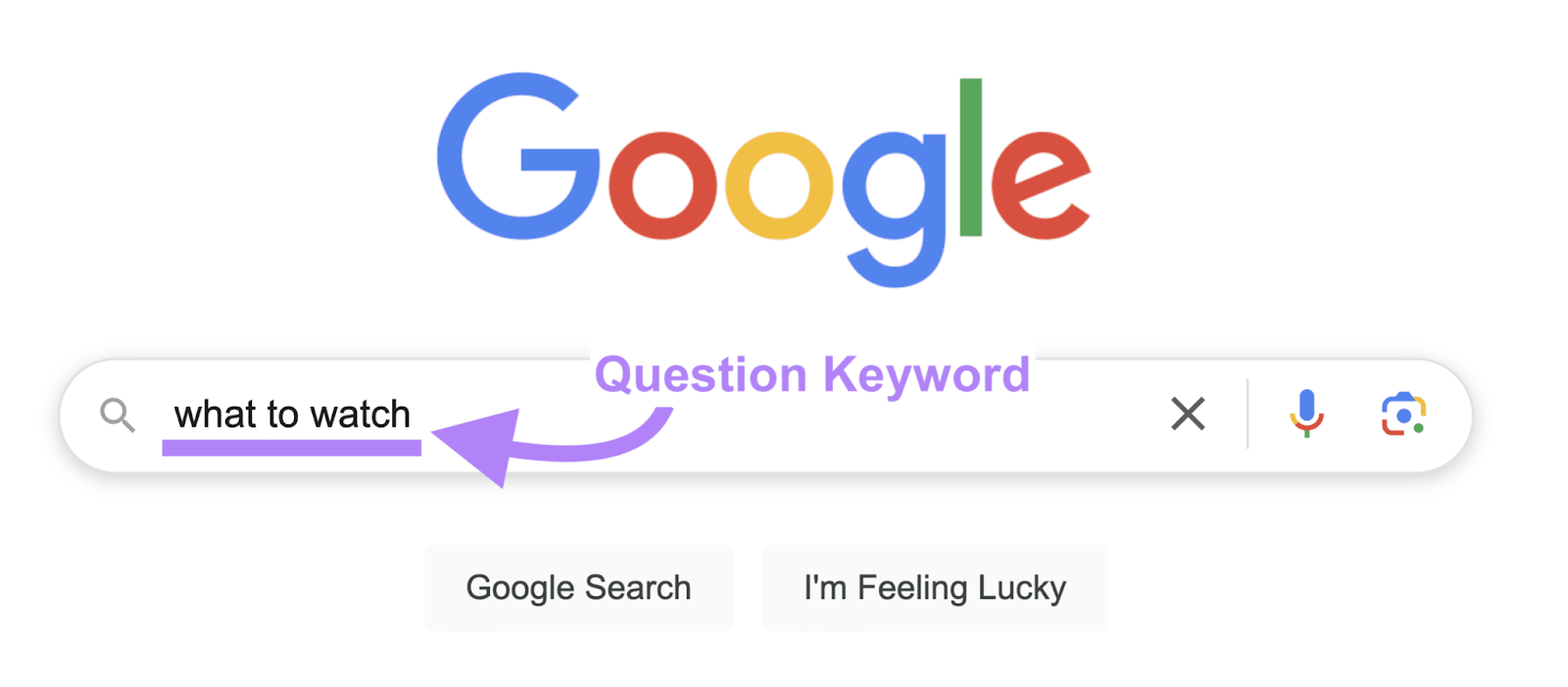
Example:
- How to Choose
- How to determine
- Is it worth it?
- What's the difference?
The common characteristics of this type of keyword are:
- User objectives are clear
- Content structure is easy to match
- Search results heavily depend on in-depth interpretation.
For content creators, these types of keywords are closer to the ones that are easiest to rank for on Google.
2. Avoid keywords with ambiguous intent
If a keyword could refer to tutorials, purchases, or news, Google will prioritize displaying authoritative websites. Such terms are not among the easiest keywords to rank for on Google, making it difficult for new or small-to-medium-sized websites to compete.
3. The more specific the search scope, the lower the ranking difficulty.
The narrower the keyword coverage, the lower the ranking threshold tends to be.This is a repeatedly proven fact in SEO.
1. The Real Problem with Broad Keywords
Broad keywords typically exhibit the following characteristics:
- High search volume
- Highly competitive pages
- Brand Site Centralization
Even with high-quality content, it's difficult to achieve rankings in the short term.
2. Keywords focused on specific scenarios are more user-friendly.
On the contrary, keywords that focus on specific scenarios and needs are closer to the keywords most likely to achieve Google rankings.
Example:
- Specific groups
- for specific purposes
- Specific conditions
- Specific Comparison
Although these keywords have low search volume, they represent genuine user demand, making it easier for Google to assess content value.
IV. The structure of search results pages can indicate keyword difficulty.
Analyzing the current search results page is key to determining whether a keyword belongs toThe keywords most likely to achieve Google rankingsThe most direct approach.

1. If the homepage displays a large number of blog posts
When the homepage results primarily consist of blogs, guides, and tutorials, it indicates:
- Google-approved content pages
- Not entirely monopolized by brands
Such keywords are typically more suitable for content sites.
2. If the homepage is almost entirely filled with authoritative official websites
When the homepage is dominated by major platforms or authoritative institutions, it indicates:
- High competitive intensity
- Search intent leans toward authoritative information
These keywords are not among the easiest to rank for on Google and should be chosen with caution.
5. Keywords with substantial content potential are more likely to achieve higher rankings.
Google repeatedly emphasizes in its official Helpful Content Guidelines: "Whether content genuinely helps users is the key factor."Key Factors for Long-Term Ranking."
1. Keywords that can be deeply dissected hold greater advantages.
If a keyword can be naturally split into:
- define
- principle
- Method of Determination
- application scenario
- Common Misconceptions
It typically has strong content-carrying capacity and is closer to keywords that are easiest to rank for on Google.
2. Keywords with excessively limited content space can actually be counterproductive.
If a keyword can be answered in just a few sentences, it is often:
- Selected Abstracts
- Official Page
- Large-scale Q&A platforms dominate
Such keywords are not suitable for long-term planning on general content websites.
6. Keywords highly relevant to the website's theme rank more easily.
Google explicitly states in its EEAT documentation that thematic consistency is a key factor in determining a website's trustworthiness.

1. Focusing on a specific theme helps improve overall rankings.
When a website consistently publishes content within a specific field over an extended period, related keywords are more likely to be recognized as "expert-level matches."
These types of keywords are more likely to become the easiest keywords to rank for on Google.
2. Deviating from the topic significantly increases the difficulty.
Even if the keywords themselves are not highly competitive, their ranking success rate will significantly decrease if they are inconsistent with the website's overall theme.
Conclusion: Keyword selection determines the ceiling of SEO.
SEO is not a game of "resource competition," but rather a long-term accumulation of "understanding search intent." The keywords that truly deliver stable traffic are often not the hottest terms, but those that meet the following criteria: clear search intent, reasonable competitive landscape, potential for in-depth content development, and high thematic relevance. These are the keywords most likely to achieve Google rankings. Even without a massive backlink profile, you can gradually gain Google's recognition. Starting today, invest your time in selecting the right keywords, and SEO will finally enter a positive feedback loop.

Link to this article:https://www.361sale.com/en/82890The article is copyrighted and must be reproduced with attribution.

















![Emoji[wozuimei]-Photonflux.com | Professional WordPress repair service, worldwide, rapid response](https://www.361sale.com/wp-content/themes/zibll/img/smilies/wozuimei.gif)

![Emoticon[baoquan] - Photon Wave Network | Professional WordPress Repair Services, Worldwide Coverage, Rapid Response](https://www.361sale.com/wp-content/themes/zibll/img/smilies/baoquan.gif)


 简体中文
简体中文  English
  日本語
日本語  Français
  Español


No comments