




When creating website content, should tables be included in articles, and how can tables genuinely enhance page performance? Centered around Elementor tables, this article explores how tables impact information architecture, user experience, and SEO from a search engine optimization perspective.How Search Engines UnderstandThe impact of Elementor tables on search rankings, along with a detailed analysis of their positive effects on rankings across various scenarios.

1. In which content scenarios does using Elementor tables enhance SEO performance?
1.1 Parametric Data and Specifications
When articles contain technical specifications, product features, or functional lists, presenting this information in Elementor tables enhances search engine recognition of the information structure. For instance, using tables for hardware comparisons or plugin feature descriptions helps sharpen the page's focus, highlights data differences more clearly, and increases user dwell time.
Structured tables enhance users' information absorption efficiency within data-driven content.Therefore, it contributes positively to SEO behavioral metrics.
1.2 Comparative content structures are better suited for tables.
When introducing product variations, feature differences, or version distinctions, Elementor tables can visually highlight the differences between various options. For example:
- Product A vs. Product B
- Premium Edition vs. Basic Edition
- Feature X vs Feature Y
Presenting this content in standard paragraphs results in high information density and poor readability. Using Elementor tables, however, clarifies the content's logical structure and accelerates user comprehension.
1.3 Informational content such as price ranges, tier classifications, and step-by-step organization
When content involves multi-level information, tables can reduce reading burden. For example,
- List of Plan Options
- Step-by-Step Process Breakdown
- Function Module Guide
Using Elementor tables allows for more effective presentation of this structured content and makes it easier for search engines to grasp the core intent of the page.
2. How does Elementor's table feature enhance page readability and indirectly boost rankings?
2.1 Help search engines quickly identify page structure
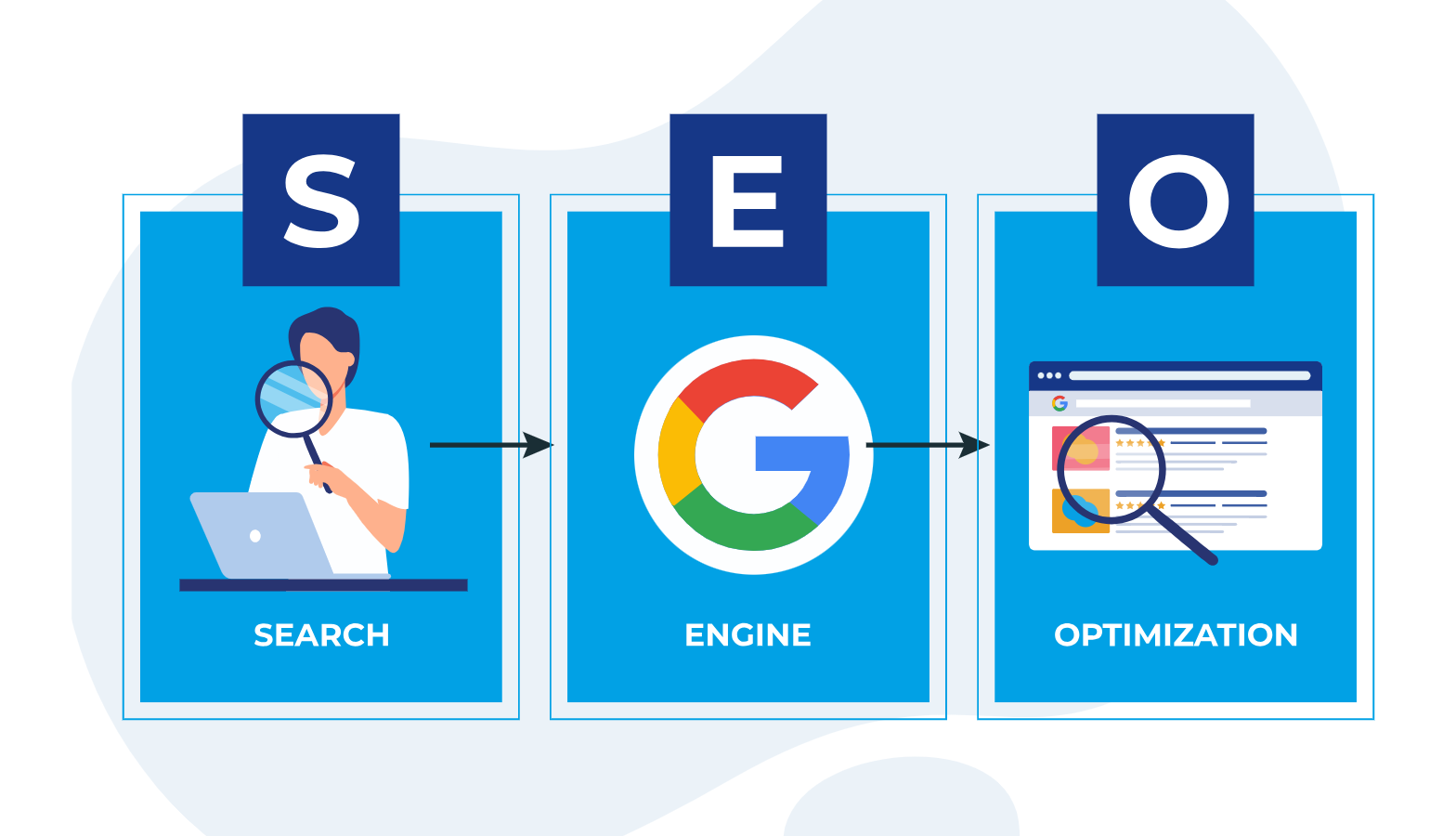
In the essence of SEO, structured information is easier to understand than scattered paragraphs. Elementor tables enable Googlebot, BingBot, and other search engine crawlers toInternet search engineQuickly scan information structures, identify keyword relationships and information hierarchies, thereby enhancing topic relevance.
2.2 Reducing Bounce Rate and Increasing User Dwell Time
Tables provide a more intuitive way to present core content, allowing users to quickly identify key points. In SEO performance metrics, metrics such as time spent on page, scroll depth, and bounce rate are all considered indicators of page quality, and Elementor tables can improve these metrics.
For example: When parameter lists are presented as a series of elements, users must scroll endlessly; however, Elementor tables allow users to see the entire structure at a glance, improving content absorption efficiency.
2.3 Enhancing the Professionalism and Credibility of Page Content
In most professional fields—such as technology, finance, product reviews, and software tutorials—readers naturally expect structured content. Elementor tables provide a more formal and rigorous visual organization, lending the entire page a more professional appearance and thereby earning greater user recognition.
3. Potential Risks and Considerations for Elementor Forms in SEO
While Elementor forms have a positive impact on SEO, incorrect usage can backfire. Therefore, avoid the following issues during implementation.
3.1 Avoid Overly Complex Table Structures
Tables with excessive rows and columns or too much text can make reading difficult on mobile devices. We recommend
- Clear dial
- Column width is reasonable
- Concise content
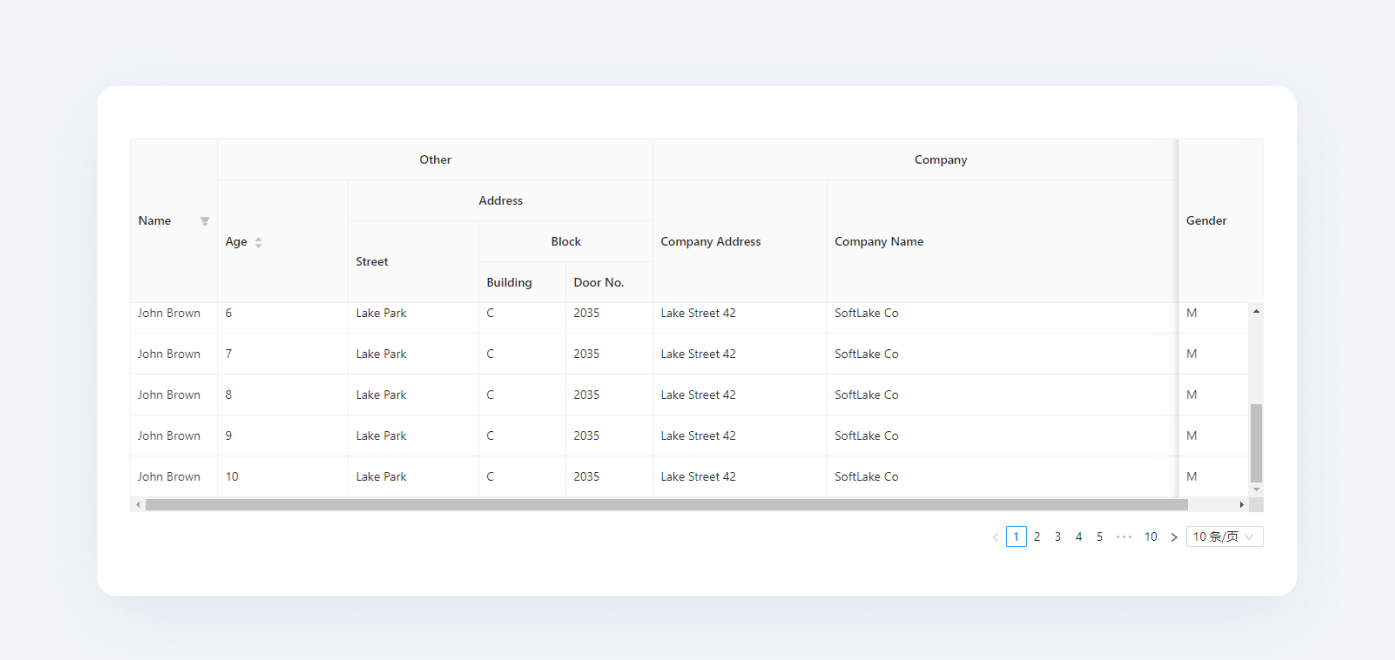
If tables appear compressed horizontally or misaligned on mobile devices, it will compromise the user experience and negatively impact search rankings.
3.2 Avoid Using Images to Replace Table Text
Some webmasters save tables as images and insert them into pages, which can cause
- Content is not searchable.
- Search engines cannot understand
- Extremely poor accessibility
This completely violates SEO principles. Elementor tables must retain their text attributes.
3.3 Consistent formatting and style must be maintained.
Fonts, borders, and spacing should be consistent to avoid appearing disorganized and undermining user trust. Elementor tables offer flexible layout options, but theme style consistency must be maintained.
4. How can I make Elementor tables more compliant with SEO best practices?
4.1 Enhance Topic Comprehension Using Semantic Header Tags
The header of an Elementor table should be formatted as <th> Markup presentation informs search engines of the summary intent within each column, helping to reinforce the page's semantic structure—a method highly recognized by search engines.
![Image [4] - Elementor Table SEO Usage: Best Practices for Boosting Rankings](https://www.361sale.com/wp-content/uploads/2025/12/20251209200816618-image.png)
The sample code is as follows:
<table>
    <tr>
        <th>Diethylammonium chloride</th>
        <th>prices</th>
        <th>Inventory status</th>
    </tr>
    <tr>
        <td>Apple iPhone</td>
        <td>$999</td>
        <td>In stock</td>
    </tr>
    <tr>
        <td>Samsung Galaxy</td>
        <td>$899</td>
        <td>Out of stock</td>
    </tr>
</table>
4.2 Add descriptive titles or paragraphs to tables
Add structural descriptions before tables to help search engines understand the table's purpose. For example:
The following Elementor table highlights core feature differences between versions.
Text assistance can enhance the contribution of tables to the subject matter.
4.3 Ensure Mobile Compatibility
Elementor tables must maintain a good reading experience on mobile devices, including
- Auto horizontal scrolling
- Cell margin/padding adjustment
- Font Size Adaptation
These factors can all impact the reading experience and SEO performance.
4.4 Table content must be highly relevant to the page's subject matter.
Search engines assess whether tables are closely related to the main content. Data displayed in Elementor tables must clearly serve the article's subject matter; otherwise, it may be deemed redundant content.
concluding remarks
In the context of SEO, Elementor tables serve not only as page layout tools but also as core carriers of structured information. Utilizing Elementor tables for parameter displays, comparative analyses, and step-by-step guides significantly enhances readability, user experience, and search engine comprehension.

Link to this article:https://www.361sale.com/en/82416The article is copyrighted and must be reproduced with attribution.


















![Emoji[wozuimei]-Photonflux.com | Professional WordPress repair service, worldwide, rapid response](https://www.361sale.com/wp-content/themes/zibll/img/smilies/wozuimei.gif)

![Emoticon[baoquan] - Photon Wave Network | Professional WordPress Repair Services, Worldwide Coverage, Rapid Response](https://www.361sale.com/wp-content/themes/zibll/img/smilies/baoquan.gif)


 简体中文
简体中文  English
  日本語
日本語  Français
  Español


No comments