




A lot of articles don't rank well, not because they chose the wrong keywords, but because they didn'tIntegrate keywords naturally and logically into the body structure. Keywords appear too little, the search engine can not determine the theme; appear too much, and will damage the reading experience, and even trigger the risk of over-optimization.
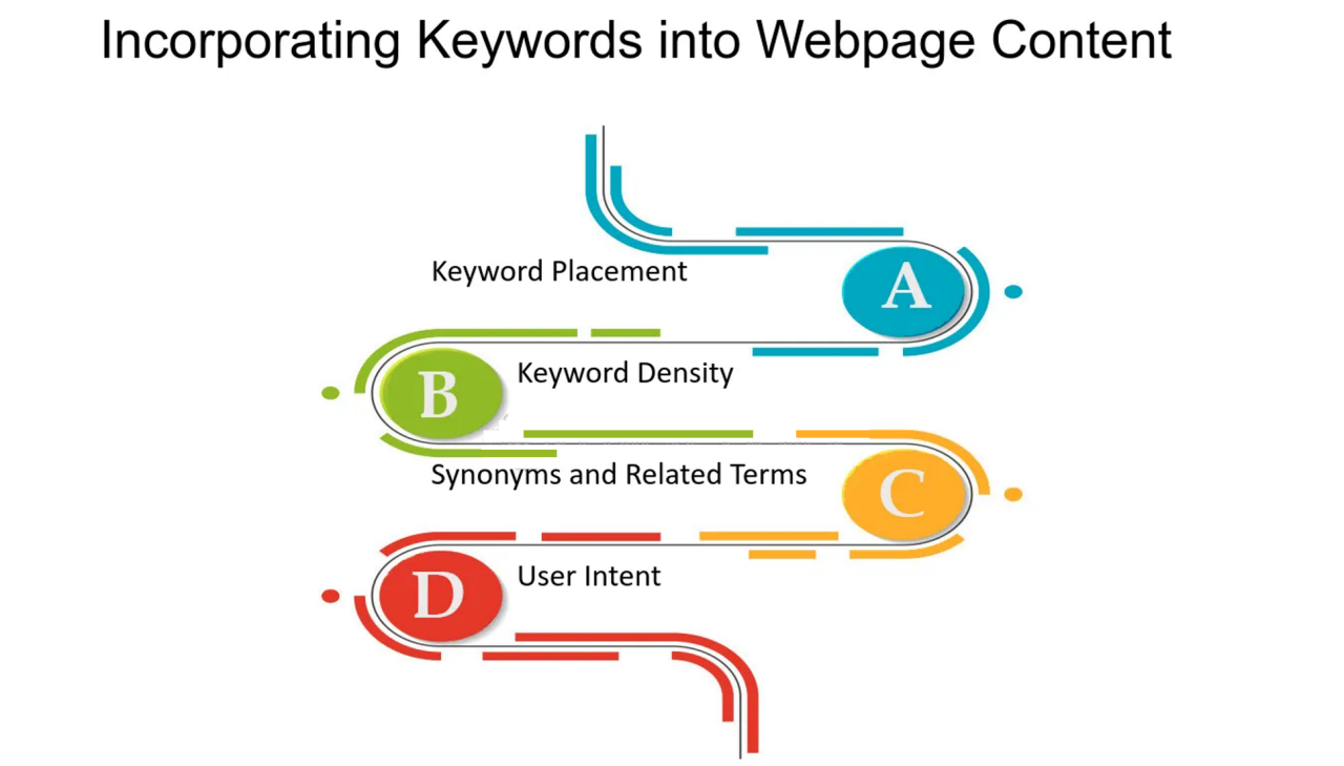
To really do a good job of keywords into the article, the core is not "write more keywords", but "let the keywords become part of the content". The following will be from the logic of writing, structural design and specific methods of operation of the three levels, the system to make clear how to integrate keywords into the article more naturally.
First, why keywords into the article than "pile of keywords" is more important
Many beginners will mistakenly think that as long as the keywords appear repeatedly in the article, you can get better rankings. But the logic of search engine judgment has long changed, it is more concerned about semantic integrity and content relevance.
Natural keyword incorporation into articles has the following advantages:
- promoteSearch Engines Accurately Understand Articlesthematic
- Doesn't disrupt the reading flow of the article
- Easier to cover synonyms and related searches
- Reduce the risk of being judged as deliberate optimization
When keywords are truly integrated into the context of an article, search engines see the entire piece of content as centered around that topic, not just a collection of keywords.
Second, the most common wrong way to incorporate keywords into an article

In actual writing, the failure of keyword incorporation into an article often stems from the following situations:
- Keywords for the sake of appearing
- Sentence structure is forcibly interrupted by keywords
- The same keyword appears repeatedly and mechanically in neighboring paragraphs
- Exact repetition of the same expression in the title, body, and conclusion
The essence of these problems is to treat keywords as a "task" rather than a part of the content. Truly effective keyword incorporation should serve the message, not override the content.
Third, keywords into the core principles of the article
1. Complete the expression before deciding whether or not to put in the keywords.
Write the paragraph as a "human-readable version" first, and then determine in which sentences the key words would fit most naturally. This makes it easier to avoid "sentence breaks".
2. The same keyword assumes different "semantic roles" in different paragraphs.
Multiple occurrences of the same keyword is not necessarily a problem, the key is that each time it appears in theDifferent mandates, for example:
- define: Explain what problem the essay actually solves
- account for: Make the concept clear
- carry on: linking the previous paragraph to the next
- summarize: Summarize ideas rather than repeat sentences
3. Wrapping keywords in "semantically related words"
Google emphasizes natural writing and clear structureInstead of betting on "how many times a word is repeated", the page should allow the theme to be sustained in relevant expressions.
For example, if the core term is "keywords into articles", related terms can come from three categories:
action word: split, take over, explain, summarize, cover
synonyms and close equivalents: natural occurrence, reasonable substitution
scene word: titles, paragraphs, meta-descriptions, reader intent, readability
Fourth, how to naturally complete the keywords into the article in different locations
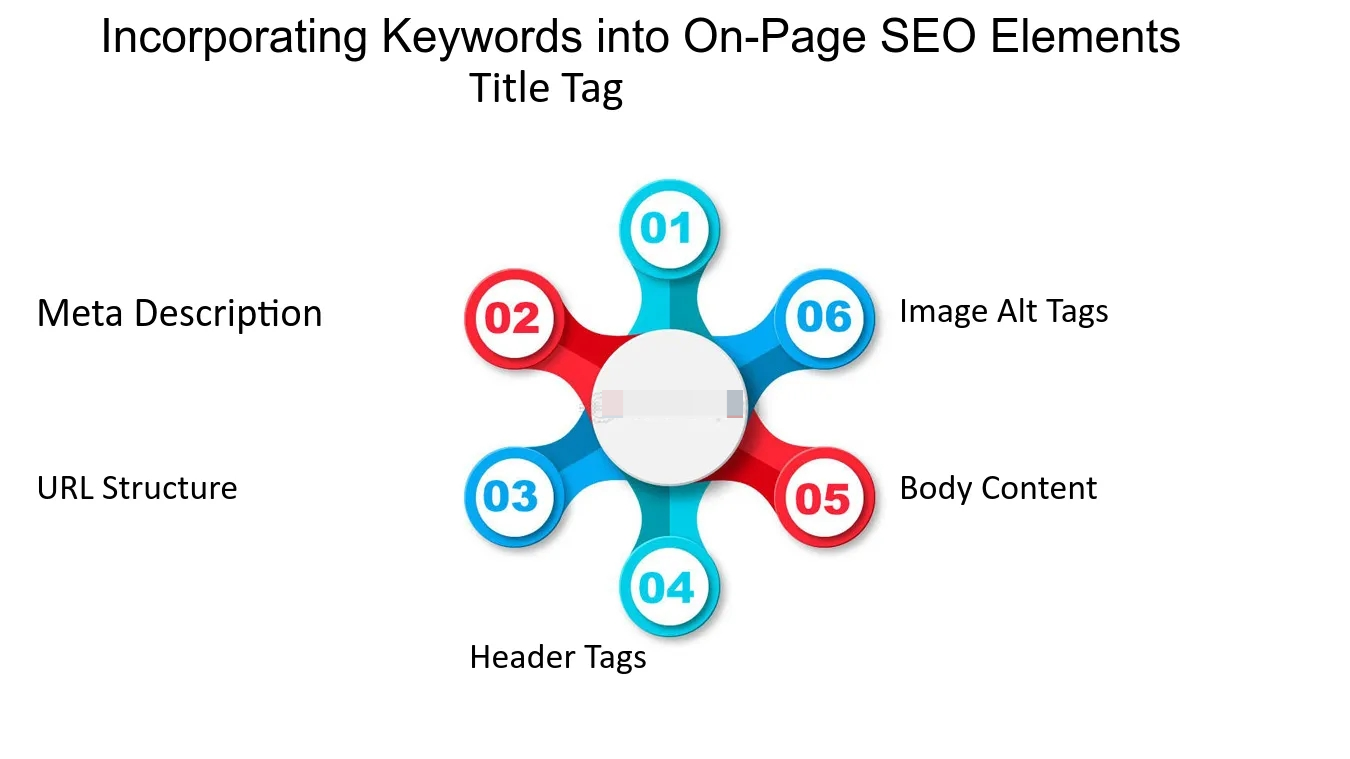
To make it easier to understand, here's a table showing how keywords can be used in different positions in a sensible way:
| appearing position | Primary SEO Role | Integration modalities | Writing focus |
|---|---|---|---|
| Title Title | Clarify page themes to increase click-through rates | Nature into the full keyword | Ensure readability without piling on |
| Meta Description | Improve search result click-through rates | use plain language to describe the content | Emphasize the value of content rather than repeating keywords |
| URL structure | Helps search engines understand page topics | Use short, clear keywords | Avoid long or meaningless parameters |
| Header Title (H1-H3) | Structuring content to reinforce themes | Splitting keywords into subheadings | Reads logically, not rigidly |
| text | Judging content relevance and quality | Naturally occurring in semantically relevant positions | Problem-solving at its core |
| Image Alt Tags | Improve Image Search and Accessibility | Include keywords in descriptive language | Describe the image content itself |
With a structured layout, keywords incorporated into the article will appear more logical rather than scattered.
Fifth, Google and the third-party site is how to "judge whether the keywords are reasonable"
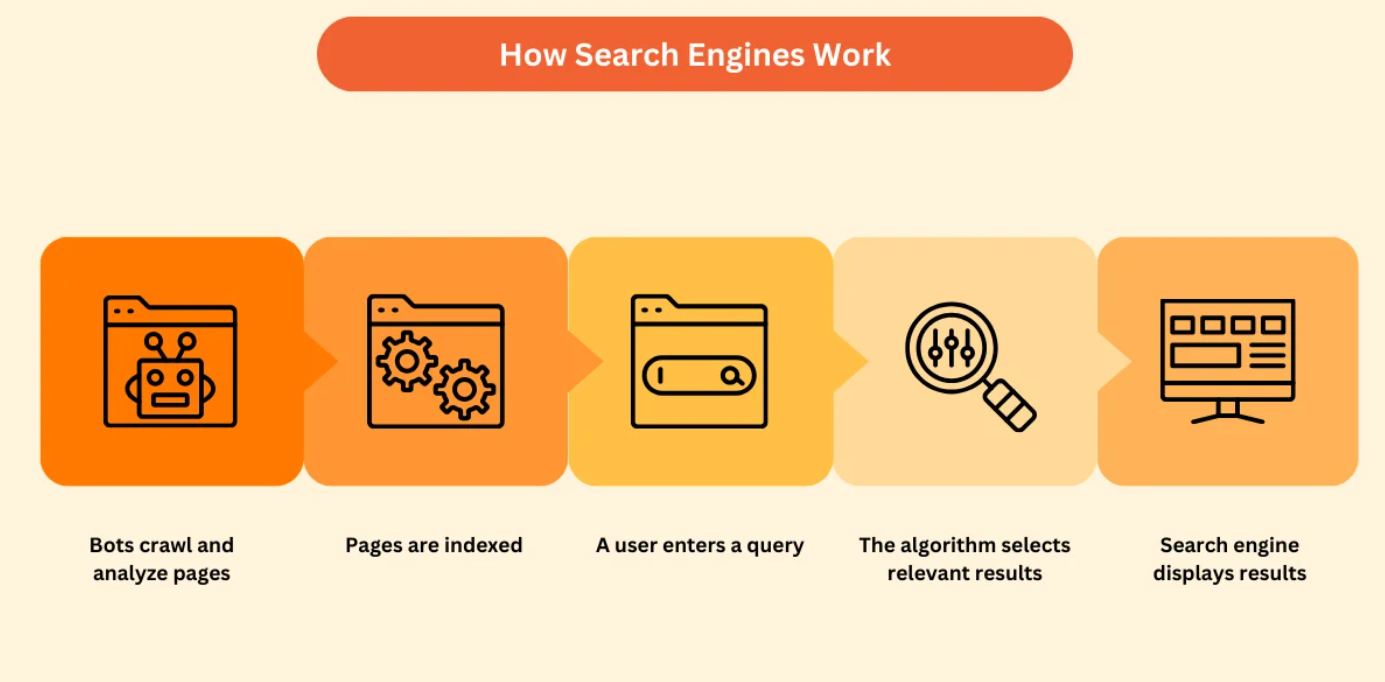
Here is the most easy to step on the pit: many people take the plug-in "green light standard" mistaken for the search engine "ranking criteria". The correct understanding is:
- Google's judgmental bias: whether the content helps the user, whether it is natural, whether there are traces of ranking manipulation
- Third-party toolsjudgmental bias: actionable writing check items (number, distribution, readability)
- Domestic mainstream search engine in common: against the title and body of the keyword stacking, more emphasis on the ability to summarize the title, content relevance and readability
| judging parties | What does it value more | Clarification of attitudes/rules (official caliber points) | Writing Inspiration |
|---|---|---|---|
| Google (official) | Natural language, user value, anti-manipulation | Explicitly categorize "keyword stacking" as one of the spammy content behaviors, emphasizing that repetition that reads unnaturally and is not contextually relevant can be seen as ranking manipulation. | Instead of chasing "density targets", chase "completeness of explanation and naturalness of expression". |
| Yoast/Rank Math/Semrush (tools) | Quantifiable check items (number, distribution, readability) | Mostly "hint rules."The tool is used to assist in checking for run-off or stacking and is not a ranking formula (the tool often suggests the risk of over-optimization). | Use the green light as a "quality control reminder," not as an "algorithmic answer." |
| Baidu | Consistency between title and content, clarity of subject matter, anti-cheating and experience | Baidu'sWeb Page Title Codeexplicitly listHeavy repetition/stacking of title keywordsand other negative types, and gives suggestions for quality headlines. Baidu'sSearch Algorithm Specification ExplainedAlso listed separately in the "title specification" in theKeyword Stacking Problem. (Baidu Ziyuan) | The title must "summarize the content", do not pile synonyms/near-synonyms into the Title as if they were tags; the body of the text should not spoil the sentence for the sake of the words. |
| 360 Search | Anti-Black Hat, Content Relevance, Page Readability | 360 "Nezha Algorithm" AnnouncementRoll call: presence in title or contentKeyword StackingBlack hat practices such as bad reprinting will be cracked down on, and page neatness and readability will be emphasized. | Keywords must serve the "content and the theme of consistency, reading without interference", do not stack words, do not write for the SEO "can not read" sentences |
| Sogou | Relevance and Anti-Cheating, Title Compliance | The Sogou Webmaster Guidelines emphasize that titles should be relevant to the body of the text thatDon't stack keywords in your title that are not relevant to the body of the textThe "Cheating Issues" page also explicitly lists **duplicate keywords (keyword stacking deception)** as a form of cheating, which is penalized. Its "Cheating Issues" page also explicitly lists **repeating keywords (keyword stacking deception)** as a form of cheating, which will be penalized. | The title is a "summary", not a container for keywords; keyword repetition in the text should be readable and natural in context |
Six, how to keep the frequency of keywords in the body of the natural
Taking a medium-length article as an example, the reasonable frequency of keyword integration into the article is usually controlled at about 1% of the whole article. At the operational level, the following methods can be used:
- Core keywords only appear in key sentences
- Avoid using exactly the same sentence structure in neighboring paragraphs
- Replacing partial direct occurrences with explanatory expressions
- Use keywords in the middle of a paragraph for a more natural effect
In this way, keywords are incorporated into the article to satisfy search engine judgment without affecting the reading experience.
Seven, let the keywords really become part of the logic of the article
There are three questions you can ask yourself to determine the success of keyword incorporation into your article:
- Does the passage still make sense if the keywords are removed
- Does the keyword drive the point of view
- Do the keywords form a natural connection with the context
If the answers are all yes, it means that the keywords are truly integrated into the structure of the article and not an added element.
Eight, conclusion: natural keywords into the article is the long-term effective strategy

In the long run, search engines are more inclined to reward content that is logical, naturally expressed, and on topic. Truly effective keyword incorporation into an article is to make the entire article revolve around the keyword without deliberately emphasizing its presence.
When the keywords become the "center axis" of the article narrative, rather than repeatedly inserted "decorations", the content is not only easier to obtain stable rankings, but also easier to win the trust of readers. This is the keywords into the article should be the state.

Link to this article:https://www.361sale.com/en/83220The article is copyrighted and must be reproduced with attribution.




















![Emoji[wozuimei]-Photonflux.com | Professional WordPress repair service, worldwide, rapid response](https://www.361sale.com/wp-content/themes/zibll/img/smilies/wozuimei.gif)

![Emoticon[baoquan] - Photon Wave Network | Professional WordPress Repair Services, Worldwide Coverage, Rapid Response](https://www.361sale.com/wp-content/themes/zibll/img/smilies/baoquan.gif)


 简体中文
简体中文  English
  日本語
日本語  Français
  Español


No comments