




In practical SEO and content operations, many people encounter the same dilemma: a keyword may appear to have search volume, but does it truly drive conversions? Centered on this critical assessment, this article systematically deconstructs the question of whether keywords possess commercial value from a hands-on perspective. It aims to help filter out keywords that "seem popular but are actually ineffective" during the selection phase, thereby enhancing the actual return on investment for content and pages.

I. What is the core logic for determining whether a keyword has commercial value?
Determining whether a keyword has commercial value does not depend on search volume or competition level, but rather on whether there is a clear, actionable user need behind that keyword.
From a business perspective, a valuable keyword typically meets the following three prerequisites:
- The searcher has clearly defined the problem or objective.
- Search behavior indicates potential for next steps
- The search results page contains genuine commercial pages.
If a keyword remains stuck at the "awareness," "curiosity," or "casual interest" stage, it's unlikely to translate into tangible revenue—even with substantial search volume.
II. Search intent is the primary criterion for determining whether a keyword possesses commercial value.
Among all determining factors, search intent is the primary criterion for assessing whether a keyword possesses commercial value.
2.1 The Fundamental Differences Between Informational, Comparative, Commercial, and Transactional Intent
From a practical perspective, keyword search intent can be categorized into four types:
| Search Intent Types | User Core Purpose | Commercial Value Characteristics |
|---|---|---|
| Informational | Acquiring knowledge, conceptual understanding | Weak commercial value |
| Comparative | Compare options, evaluate choices | Moderate commercial value |
| Commercial | Purchase Process Search | High commercial value |
| Exchange-traded | Find the purchase or service portal | High commercial value |
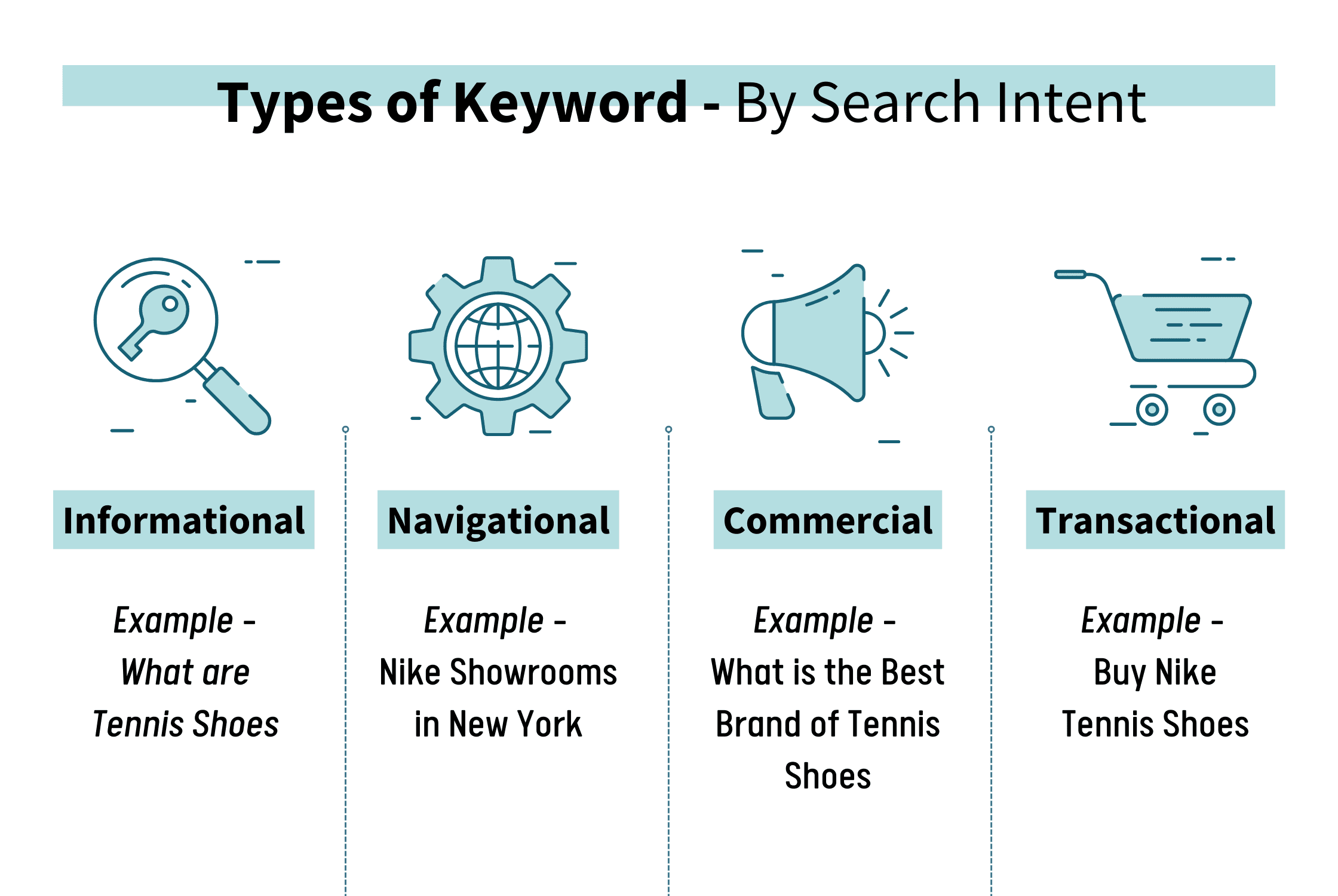
When determining whether keywords possess commercial value, prioritize the latter two categories, especially comparative and transactional keywords that clearly indicate a decision-making intent.
III. SERP Page Structure Serves as Direct Evidence for Assessing Commercial Value
If you're unsure whether a keyword has commercial value, the most straightforward approach is to examine the search results page itself.
3.1 Do commercial pages appear in search results?
A commercially valuable keyword typically displays the following content on its search results page:
- E-commerce Product Page
- Service Landing Page
- Brand Official Website Page
- Conversion-oriented content pages
If search results are almost exclusively encyclopedias, Q&A platforms, or pure knowledge articles, it indicates that the keyword has limited commercial value.
3.2 Reference Table for Page Type Distribution in SERPs
| SERP Page Type Distribution | Business Judgment Conclusion |
|---|---|
| Commercial pages predominate. | Clear commercial value |
| Content pages and commercial pages coexist | Content can be leveraged to drive conversions. |
| Primarily informational content | Weak commercial value |
Through SERP analysis, you can quickly determine whether a keyword has commercial value without relying on complex tools.
4. Keyword modifiers often directly reveal commercial intent.
Keywords themselves may be neutral, but modifiers can significantly alter their commercial attributes.
Typical Characteristics of High Commercial Value Modifiers
In practical operations, the following types of modifiers typically indicate higher commercial potential:
- "Recommendations," "Comparisons," "Which One is Better"
- Featuring "Pricing," "Plans," and "Services"
- With a specific target or use case
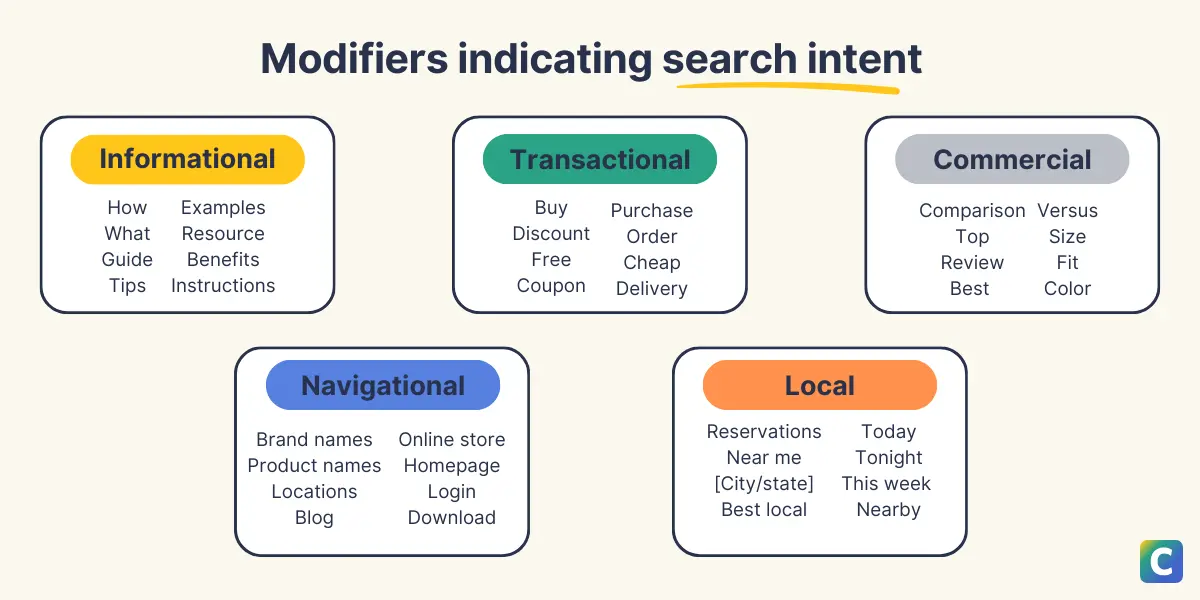
For example, when determining whether a keyword has commercial value, "keyword tool" itself is relatively neutral, whereas "tools for beginners doing keyword research" is clearly closer to convertible demand.
V. Whether genuine paid scenarios exist is the fundamental logic of commercial value.
Determining whether a keyword has commercial value cannot be separated from the actual business environment.
Practical Methods for Determining Paid Scenarios
Judgment can be made from the following perspectives:
- Are there any related products or services?
- Are there any companies creating content or running campaigns around this keyword?
- Can it naturally transition into the closing action?
If a keyword cannot be associated with any real-world transaction or service scenario, its commercial value is typically low.
VI. Commercial Signals Revealed by Keyword Competition Content Itself
The content structure of competitive pages can also serve as a reverse validation of whether keywords possess commercial value.
Common Characteristics of Pages Targeting High-Commercial-Value Keywords
Keyword rankings with commercial value typically exhibit the following characteristics:
- Clearly address user issues
- Content structure that guides subsequent actions
- Page content is highly relevant to the product or service.
If all ranking content is merely general in nature, it indicates that the keyword leans more toward informational intent.
VII. The commercial value of keywords varies across different stages.
Whether keywords possess commercial value is not absolute but closely tied to the stage of the business.
Keyword Value Focus Comparison Table Across Different Stages
| Business Phase | More suitable keyword types |
|---|---|
| New Site Phase | Low competition, clear demand keywords |
| Growth phase | Comparative keywords, solution-oriented keywords |
| Maturity stage | Brand keywords and high-conversion keywords |
At any stage, determining whether a keyword holds commercial value requires evaluating it against current resources and objectives, rather than simply pursuing terms that "appear lucrative."
VIII. Avoiding Common Misconceptions in Commercial Value Judgments
In practice, the following judgment methods often lead to incorrect direction:
- Based solely on search volume
- Competition difficulty only
- Treat all traffic keywords as commercial keywords
The truly effective way to judge should always revolve around whether it can drive the next step of action.
IX. Translate Keyword Commercial Value Assessments into Actionable Strategies
Ultimately, the purpose of determining whether keywords possess commercial value is to guide content and page development.
Executable Decision Flow Summary
| Judgment Steps | Key issue |
|---|---|
| Search Intent | What problem are users trying to solve? |
| SERP Structure | Does a commercial page exist? |
| Modifier | Whether decision-making tendencies are present |
| Payment Scenarios | Can it correspond to real transactions? |
| Content Competition | What does the ranking page do? |
This process allows you to filter out a large number of low-value keywords during the selection phase, focusing your efforts on areas that are truly worth investing in.

Link to this article:https://www.361sale.com/en/83167The article is copyrighted and must be reproduced with attribution.




















![Emoji[wozuimei]-Photonflux.com | Professional WordPress repair service, worldwide, rapid response](https://www.361sale.com/wp-content/themes/zibll/img/smilies/wozuimei.gif)

![Emoticon[baoquan] - Photon Wave Network | Professional WordPress Repair Services, Worldwide Coverage, Rapid Response](https://www.361sale.com/wp-content/themes/zibll/img/smilies/baoquan.gif)


 简体中文
简体中文  English
  日本語
日本語  Français
  Español


No comments