




Want to make a group of keywords "can continue to rise" ranking, the key is not more articles, but the path between the page design. Internal chain andbywordThe core value of the relationship between theAllow search engines to discover pages fasterThematic hierarchies are more accurately understood, and important pages are placed in clearer positions. For most sites, it's not the content that's stuck in the rankings, it's the structure that's not "understandable" enough.
One,internal chainWhat exactly is being solved in relation to keywords
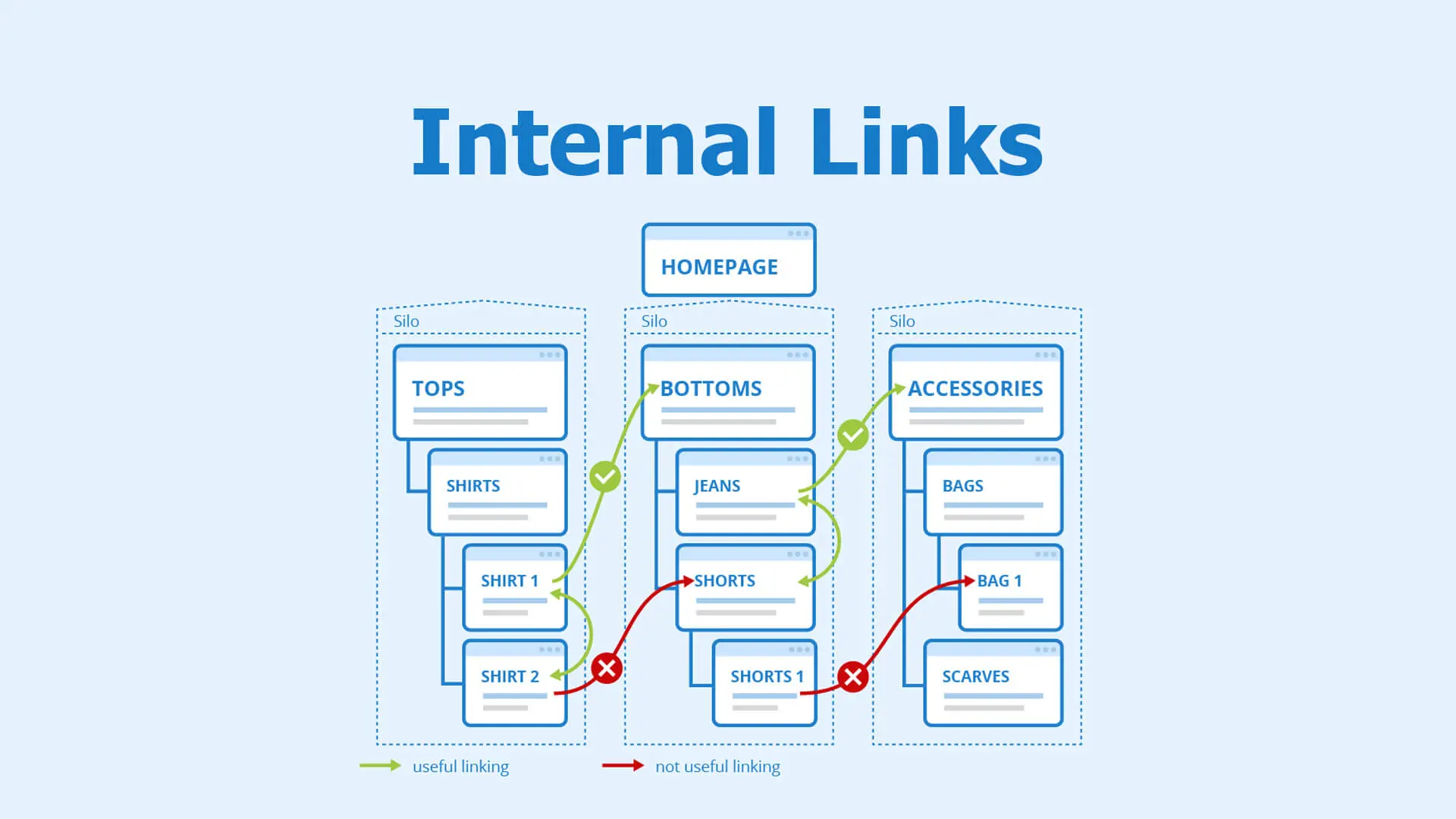
The relationship between internal links and keywordsInstead of "putting up a few more links", it addresses three realities:
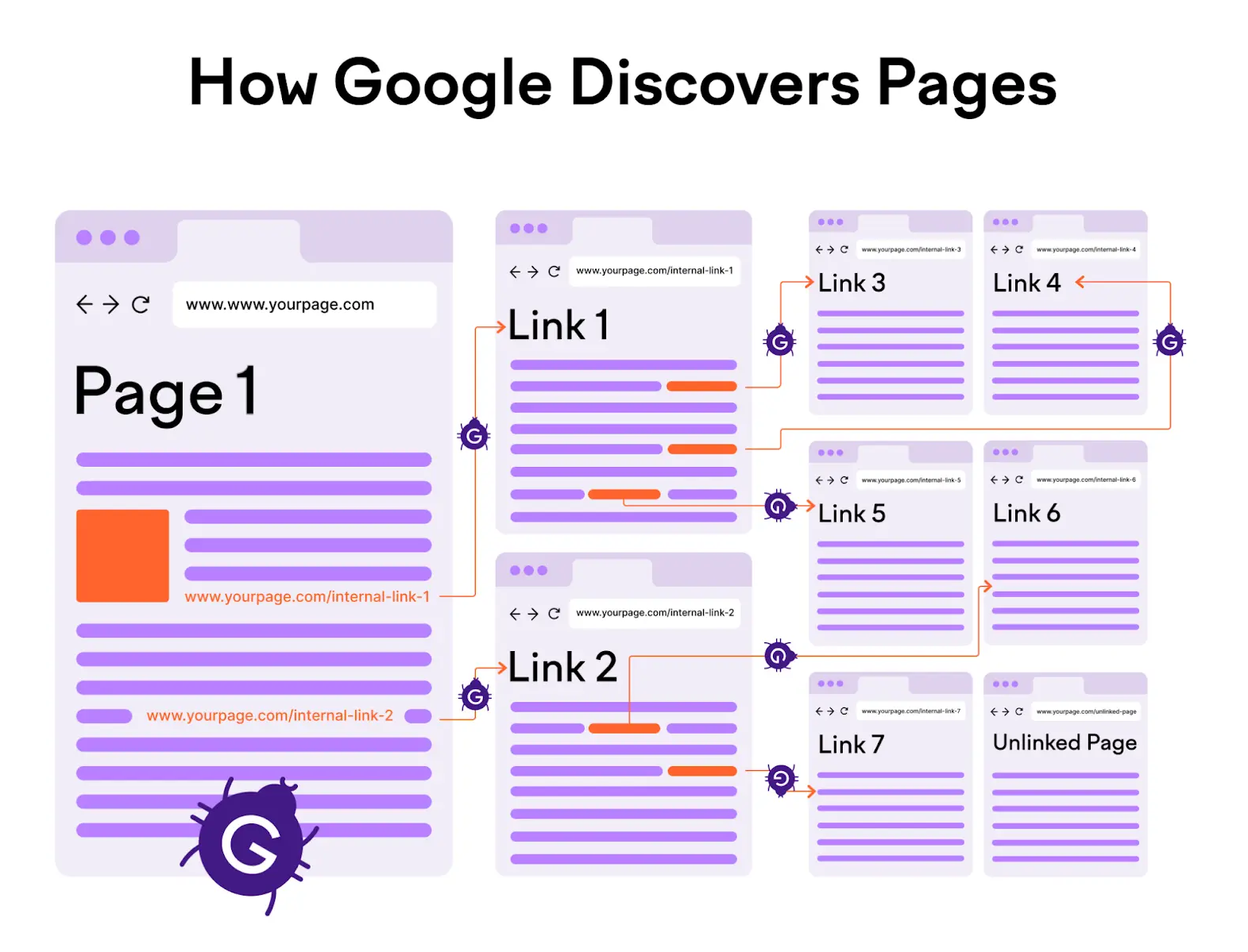
- Discovering efficiency::Search engines find new pages through crawlable linksand continue to crawl along the link.
- Thematic understanding: How pages point to each other affects the determination of "what content belongs to the same topic and which page is more central".
- semantic cue: Link text (anchor text) helps users and search engines understand what the target page is about.
When these three points are established at the same time, the keyword is no longer a "single article of the battle", but "the whole site structure of the joint force". This is also the relationship between the inner chain and keywords can really rank the string of reasons.
Second, the first keywords layered, the internal chain will not be chaotic
Do the internal chain before the first keyword hierarchy, otherwise there will be "mutual chain, primary and secondary, weight dispersion". A good layering method is to divide the keywords into three categories:
- Main word (backbone page): Great coverage and wider intent, suitable for column/topic pages
- Subtext (companion page): more specific questions, usage, comparisons, tutorial steps
- Trading Words (Business Pages): product pages, category pages, landing pages, targeting conversions
Here is the point: under the same theme, the main word page should be like a "catalog", and the sub-word page should be like a "chapter". When the structure is clear, the relationship between internal links and keywords will be directly reflected in the crawl path and theme aggregation.
Third, the anchor text is the keywords "say it clearly" place
Many in-site links seem to be there, but the anchor text is too general, such as "click here" and "learn more", which is the same as not providing semantic information.Google's linking best practices also emphasize that the anchor text should be easier for users and search engines to understand the meaning of the content. Google's linking best practices also emphasize that anchor text should make it easier for users and search engines to understand the meaning of content.
The table below can be used directly as a writing rule to make the relationship between internal links and keywords fall more naturally into the copy:
| Link purpose | Anchor text writing (more stable) | Avoid writing | Writing focus |
|---|---|---|---|
| webpage that points to the backbone of a website | "Internal link structure planning" "Theme maps on the site" | "Click to view." | Use of general terms, highlighting "catalogue/system" |
| Pointing Package Tutorial | "How to write anchor text.""Steps for internal chain layout" | "Read more" | Use question-based phrases that are close to the search intent |
| Points to business page | "XX Product Page Selection" "XX Category Comparison" | "Go buy." | Use demand words, not hyperbole. |
When the anchor text to undertake the task of "explaining the target page", the relationship between the internal link and keywords from the "number of links" upgraded to "link semantics".
Fourth, the three most rankings can be strung together the structure of the internal chain
To make a system of keywords, it is recommended to prioritize these three structures. What they have in common is: clear paths, clear priorities, and sustainable expansion.
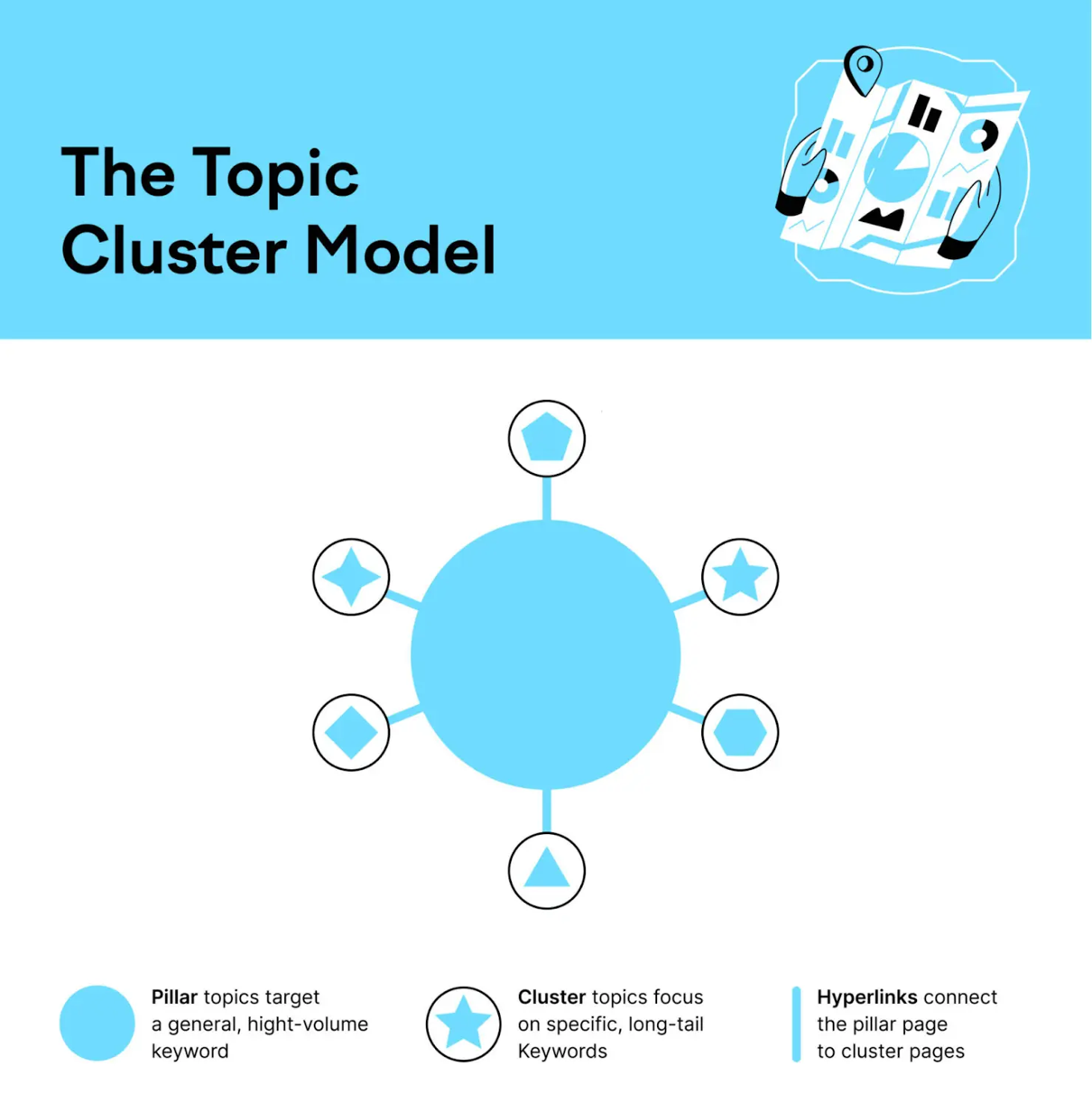
1) Pillar-Cluster: main page for navigation, supporting pages for coverage
- Trunk pages link to each of the companion pages
- Supporting pages link back to the main page, and horizontally interlink similar problem pages
This structure makes it easiest for topics to coalesce, and internal links to keywords will be in "This is evident in the "one theme covers more wordsThe
2) Push focus pages from high power pages
- Home page, section pages, strong traffic article pages
- Targeted pushes on "keyword pages that need a boost" (e.g. conversion pages or core tutorial pages)
The point here is not to distribute them evenly, but to think of the links as "directions".
3) Shorter paths and fewer layers to reduce "deep silos"
The farther away the page is from the home page, the more likely it is to become "visible but not caught, caught but not valued". Reasonable link structure can reduce the probability of deep pages becoming islands.
Make this point solid, the relationship between internal links and keywords will be directly reflected in the inclusion of stability and long-tail coverage.
Fifth, the internal chain into the content, rather than written outside the content
A lot of people make internal links like "after-the-fact patches" that break the reader's flow. A more natural approach is to place the link in the "what the reader will want to know next" position:
- post-definition: Explain the concepts and then give "more in-depth pages".
- post-step: Give an "extended tutorial" for each key step.
- post-comparison: Concluding paragraph to "Scenarios page"
- post inventory: Tools, templates, check necklaces to corresponding pages
When the links appear in a location that is logical to read, the relationship between the internal link and the keyword does not appear deliberate, but rather enhances the stay and the depth of the page view.
Sixth, do an "internal link map", the system to run up
Trying to make a system out of keywords, it is recommended to use a simpleInternal Link Mapto land. The way to do this is to make a list of pages on the same topic and then specify the linking actions that must be accomplished for each post:
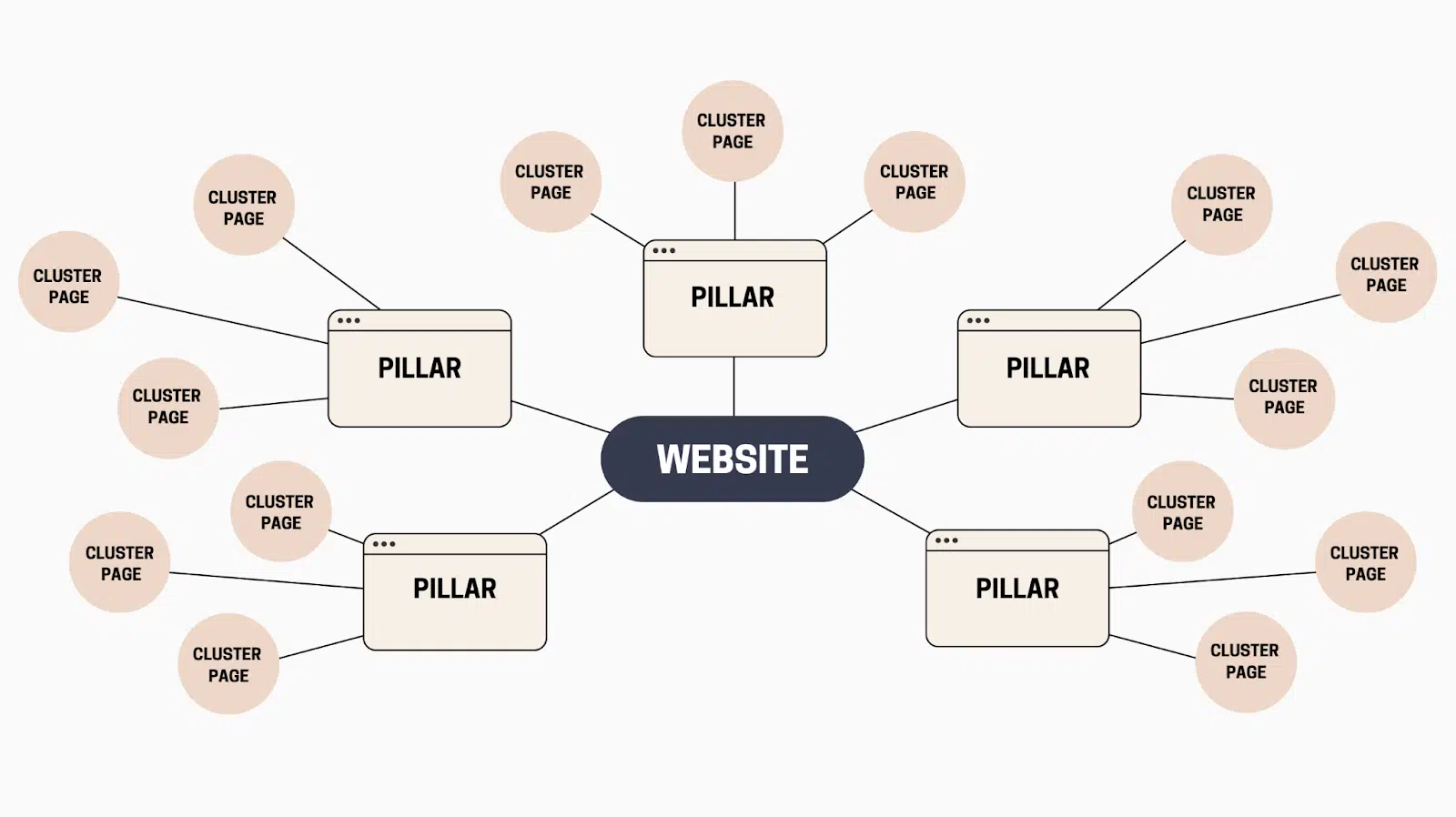
- Each supporting text: at least 1 link back to the main page
- Each companion article: at least 1 link to another companion article on the same topic
- Trunk page: must link to all supporting text and regularly replenish new entrances
This step is done, the relationship between the internal chain and keywords from the "idea" into the "system", the follow-up as long as the content is continuously updated, the system will run more and more smoothly.
Conclusion:
When the page is layered, the path is planned, anchor text can say the theme, the relationship between the internal link and the keywords will become very direct: keywords rely on the structure of the whole site continues to accumulate. The real stability of the rankings, often from the "content can be understood, the structure can be through". By connecting the main page and supporting pages into an iterative network, keywords can continue to expand in the same theme, driving each other, forming a systematic growth.

Link to this article:https://www.361sale.com/en/83709The article is copyrighted and must be reproduced with attribution.













![Emoji[wozuimei]-Photonflux.com | Professional WordPress repair service, worldwide, rapid response](https://www.361sale.com/wp-content/themes/zibll/img/smilies/wozuimei.gif)

![Emoticon[baoquan] - Photon Wave Network | Professional WordPress Repair Services, Worldwide Coverage, Rapid Response](https://www.361sale.com/wp-content/themes/zibll/img/smilies/baoquan.gif)


 简体中文
简体中文  English
  日本語
日本語  Français
  Español


No comments