




When building a website from scratch, the biggest fear isn't "not knowing how to code," but "choosing the wrong platform." Once you pick the wrong one, you'll face the hassle of switching systems, migrating content, and rebuilding everything from scratch.thematicWith SEO, both time and costs will double.WordPress The reason it has long been the top choice for beginners building websites is that it achieves both "rapid deployment" and "long-term scalability."

1. How many websites actually use WordPress?
The claim that "401 out of 100 websites use WordPress" is not a marketing slogan. According to W3Techs statistics as of December 25, 2025: WordPress powers 43.01% of all websites globally; among identified CMS Among websites, WordPress accounts for 60.21% of the total. This means that nearly every other website you visit is likely built on WordPress.
For users with no prior experience, the significance behind this figure is straightforward: a vast ecosystem, numerous templates, extensive tutorials, and a multitude of service providers. When issues arise, it's easier to find answers and locate someone who can help resolve them.
II. No Prior Experience Required: The Editing Experience Is Key
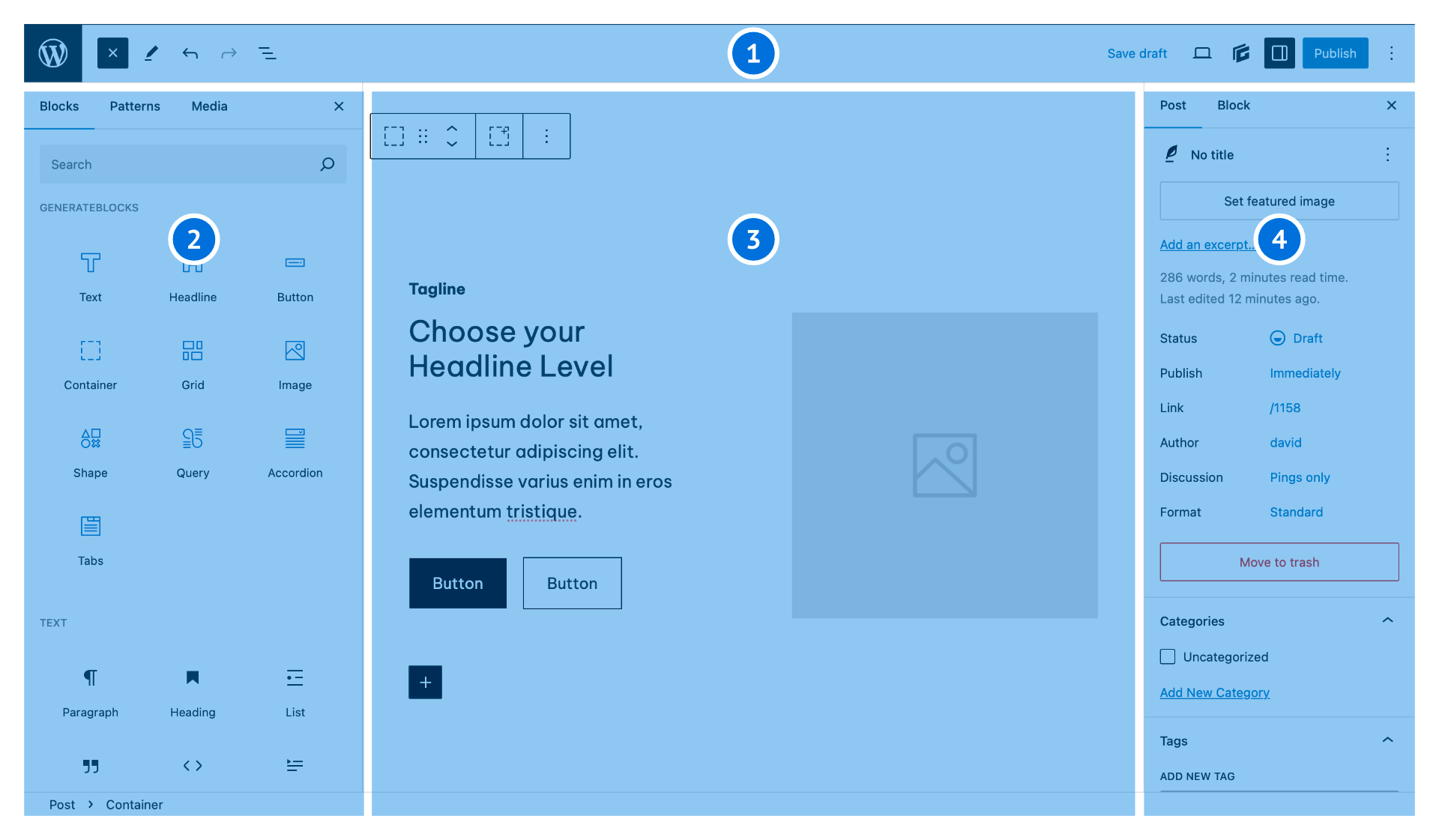
Many website builders either overdo the "dummy-proof" approach (making later modifications a nightmare) or are unfriendly to beginners (expecting you to grasp theme structures and code templates right off the bat). WordPress, however,Block EditorMerging "writing articles" and "building pages" into a single workflow: what you see is what you edit.
![Image[2] - Essential Guide for WordPress Beginners: Quick Start & Long-Term Scaling Strategies](https://www.361sale.com/wp-content/uploads/2025/12/20251225145115401-block-editor-overview-6.7-1024x579-1.jpg)
1) Laying out text like building blocks
Headings, paragraphs, images, buttons, lists, tables, quotes, and tables of contents can all be inserted as standalone modules. You don't need to know any layout code to create clearly structured pages.
2) More aligned with 2026 content production practices
By 2026, content production will increasingly emphasize "structural" and "reusable" approaches: the same set of components will be reused across different pages, and a single article will rapidly generate landing pages, product pages, and tutorial pages. Block-based editing naturally aligns with this trend, resulting in lower maintenance costs.
III. The theme determines the "appearance" and makes it easier to switch styles.
Newcomers often wonder: Can I make it look decent? WordPress's theme system lets you achieve a professional look without designing the interface from scratch.
![Image[3] - Essential WordPress Guide for Beginners: Quick Start & Long-Term Scaling Strategies](https://www.361sale.com/wp-content/uploads/2025/12/20251225145133897-themes-screen.png)
1) Start with a template, then gradually refine it.
You can start by choosing a theme close to your target industry to get your site live quickly. Once the content is up and running, you can gradually fine-tune the color scheme, fonts, and layout. This avoids getting stuck in the vicious cycle of "finishing the website before starting operations."
2) 2026 More recommended "Modular ThemesThought Process
An increasing number of websites are adopting reusable page blocks and style presets: homepages, product pages, case study pages, and article pages all share the same component library. WordPress's block-based themes and site editing capabilities align more closely with this long-term maintenance approach.
IV. Plugin Ecosystem Makes Feature Expansion as Simple as Installing Apps
WordPress's plugin ecosystem is a key reason it can power blogs, corporate sites, portfolios, educational platforms, membership sites, and portals. You don't need to build every feature all at once—instead, add functionality incrementally as your project evolves.
![Image[4] - Essential Guide for WordPress Beginners: Efficient Start and Long-Term Scaling Strategies](https://www.361sale.com/wp-content/uploads/2025/12/20251225145147456-add-plugins.png)
1) Common "Must-Have for Beginners" Abilities
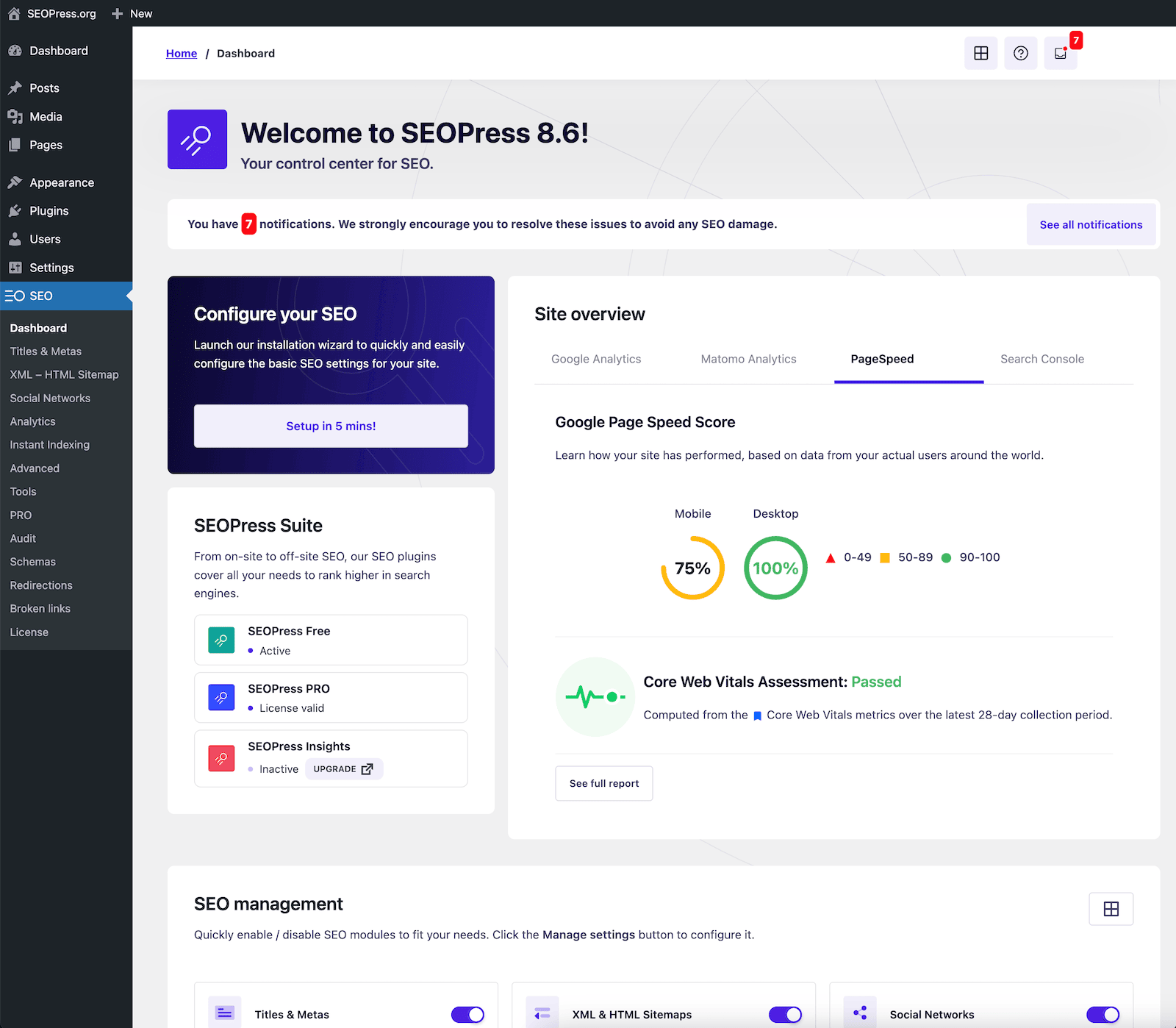
For example: Cache acceleration, SEO basic configuration, form collection, site security, spam comment prevention, image compression, backup and restore, etc. These capabilities typically have mature solutions available within WordPress.
2) Build the website as a "scalable system"
You can launch with the minimum viable product: pages + content + forms. Then layer on additional features later: multilingual support, membership systems, marketing automation, online payments, and course platforms. A website isn't a one-time project—it's a product that grows continuously.
5. Robust Content Management: Streamlined writing, categorization, archiving, and SEO
Many beginners overlook a crucial fact: a website's true long-term value lies in its content, not how flashy its homepage is. WordPress excels at content organization: categories, tags, authors, time archives, and permalink structures are all well-suited for building lasting content assets.
1) Suitable for building a "content matrix"
You can organize articles into series by topic, such as: Beginner Tutorials, Case Studies, Tool Reviews, and Industry Insights. Each series can build up search traffic over time.
2) Suitable for "sustainable renewal" sites
For users with no prior experience, the ideal path to building a website isn't achieving perfection all at once, but rather making consistent weekly updates and continuous iterations. WordPress keeps the barriers to publishing and maintaining content extremely low.
6. Media Library for Clearer Image and File Management
As your articles and images accumulate, "difficulty finding files" becomes a common pain point. WordPress's media library allows you to filter by date, search, and centrally manage images and attachments.
![Image[5] - Essential Guide for WordPress Beginners: Efficient Start and Long-Term Scaling Strategies](https://www.361sale.com/wp-content/uploads/2025/12/20251225145245706-media-library-grid-view-1-1024x518-1.png)
1) It is recommended to establish standardized practices from the very beginning.
When uploading images, make sure to include descriptive alt text and file names—this will save you a lot of time later when doing SEO and site search.
2) Better meets the performance requirements for 2026
By 2026, page speed and mobile experience will become even more critical. The more standardized media resources are, the easier it will be to implement compression, lazy loading, and format optimization, resulting in a more stable overall experience.
VII. Mature security and update mechanisms, suitable for long-term operation
Newcomers often worry: Are open-source systems secure? The key lies in whether they receive continuous updates and have a mature patching mechanism. WordPress's update portal is highly intuitive, making it easy for you to perform regular maintenance.
![Image [6] - Essential Guide for WordPress Beginners: Efficient Start and Long-Term Scaling Strategies](https://www.361sale.com/wp-content/uploads/2025/12/20251225145215889-image.png)
1) Reduce the psychological burden of maintenance
A unified update portal makes it easier to establish a routine: regularly update your core, themes, and plugins, and always back up before updating.
2) The Most Practical Safety Approach for Beginners
Choose themes and plugins with a good reputation; Install fewer unnecessary extensions; Keep everything updated; Enable basic security protection and backups. By following these steps, risks will be significantly reduced.
8. If you want to do e-commerce: WooCommerce is the most common extension path.
Many people start out just writing content, but later want to sell courses, services, or physical goods. WordPress is so resilient because it gives you the flexibility to evolve from a content site into a transactional platform.WooCommerce It is the most common e-commerce extension solution.

1) Content first, conversion later
A more stable approach is to first build up content and traffic, then use product pages, payment systems, and order processing to capture conversions. For beginners, this path offers greater control.
IX. What Exactly Are People Choosing When They Choose WordPress?
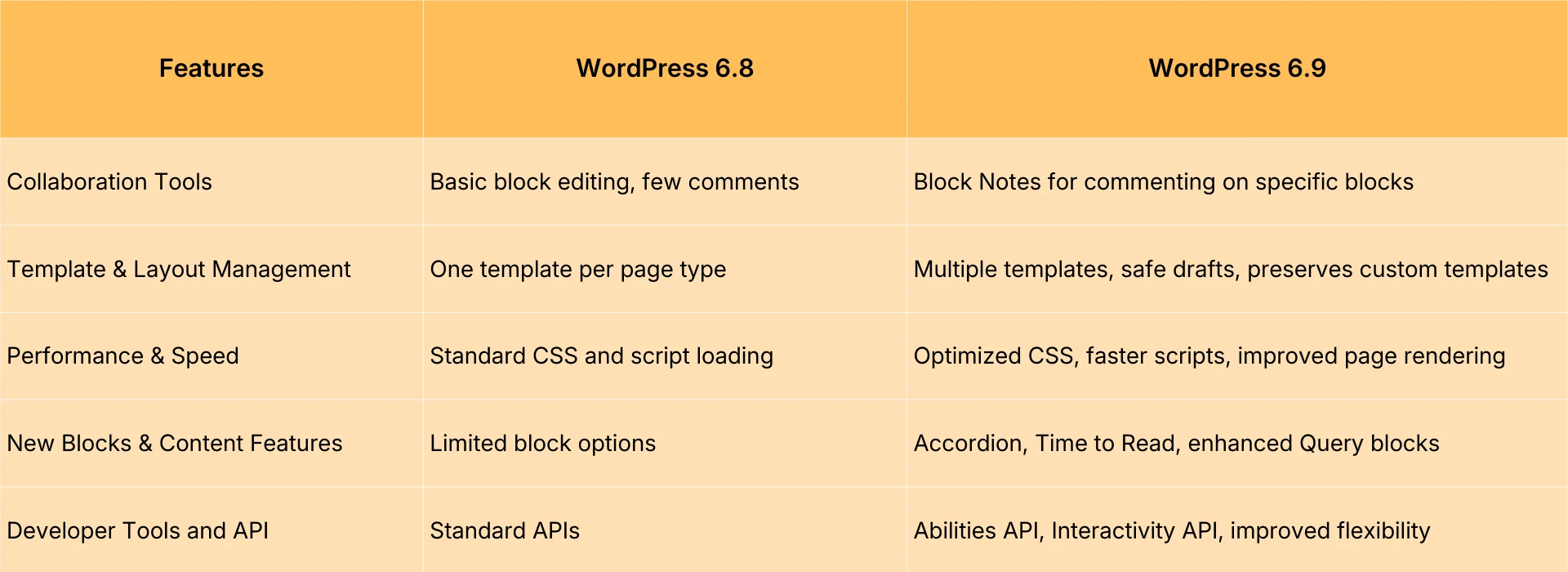
In summary, WordPress's strength lies not in being "the simplest," but in being "the most balanced." It allows you to get started with a low barrier to entry, while also preventing you from having to rebuild your site a year later due to feature limitations.
The core value you'll receive
- Quick to master: Even beginners can publish content and build pages.
- Extensible: Themes determine appearance, plugins determine functionality.
- Long-term viability: Mature content management with clear maintenance pathways
- Greater Freedom: Under the open-source framework, migration and customization offer more flexibility.
10. Recommended Website Building Path for Absolute Beginners (Just Follow These Steps)
Week 1: Get the site up and running
- First, determine the site's purpose: blog/corporate showcase/portfolio/e-commerce
- Choose a lightweight theme and set up the homepage, About page, Contact page, and blog page.
- Publish 3-5 high-quality pieces of content to validate the direction first.
Weeks 2–4: Making Content and Structure "Sustainable"
- Establishing a Column System: Classification and Tagging Rules
- Optimize image alt text and internal links
- Complete core functionalities: forms, caching, backup, security
Starting from the second month: Scale according to business growth
- To drive conversions, add landing pages and CTA components.
- If you need sales, evaluate e-commerce/payment solutions.
- To achieve scalability, create reusable content templates and components.

Link to this article:https://www.361sale.com/en/84272The article is copyrighted and must be reproduced with attribution.












![Emoji[wozuimei]-Photonflux.com | Professional WordPress repair service, worldwide, rapid response](https://www.361sale.com/wp-content/themes/zibll/img/smilies/wozuimei.gif)

![Emoticon[baoquan] - Photon Wave Network | Professional WordPress Repair Services, Worldwide Coverage, Rapid Response](https://www.361sale.com/wp-content/themes/zibll/img/smilies/baoquan.gif)


 简体中文
简体中文  English
  日本語
日本語  Français
  Español


No comments