




Content production in 2026 resembles a "high-frequency iteration" process: AI pushes draft speed to its limits, but what truly determines rankings and conversions is often the discipline and consistency of pre- and post-publication workflows. If you've already seenThe Ultimate Showdown: SEOPress vs. Yoast SEOSuch side-by-side comparisons reveal that the core of the debate isn't about whether the feature exists, but rather whether you need a scoring coach more or a more user-friendly pipeline.
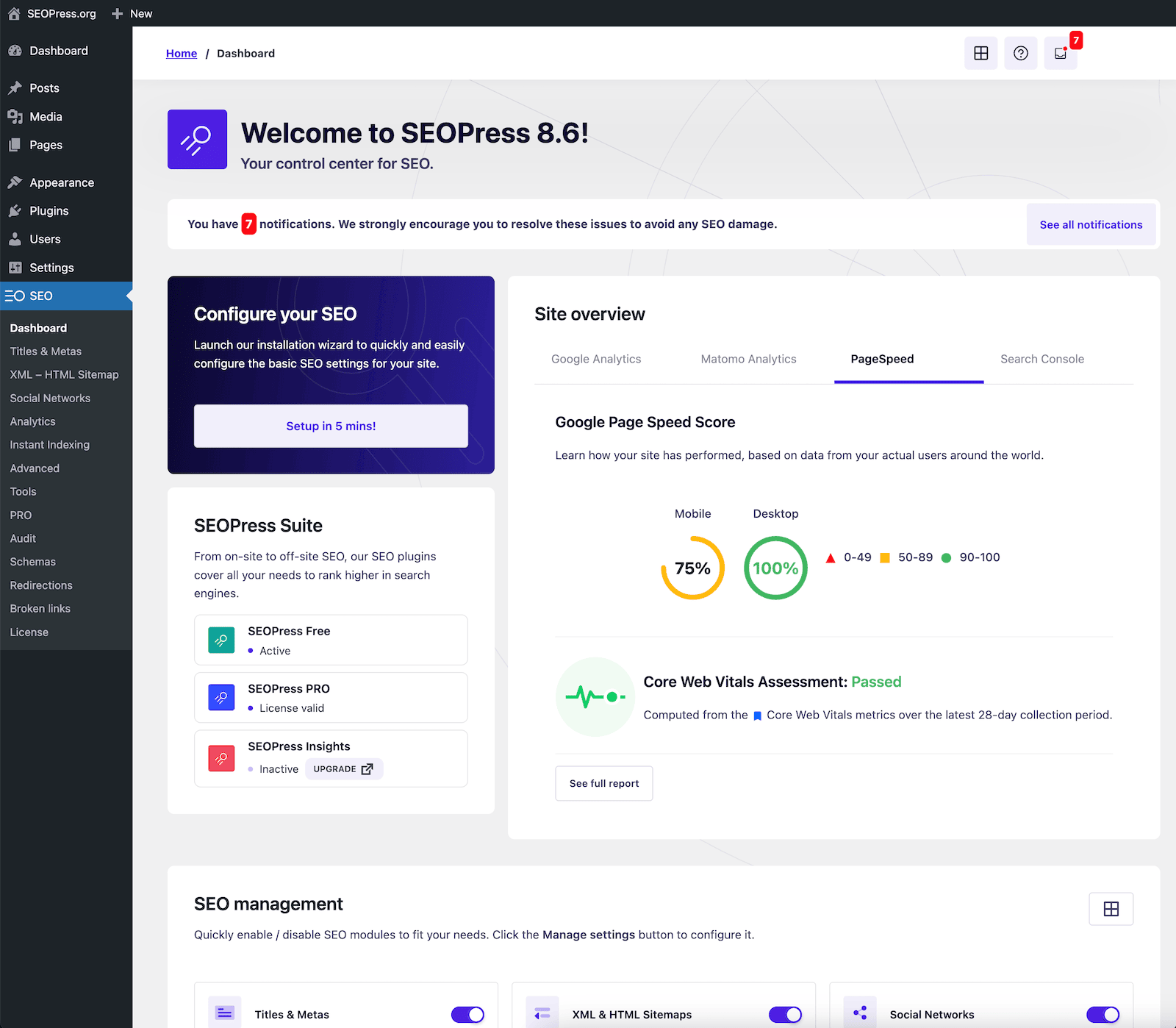
1. Content Production in 2026: AI Will Be Faster, But SEO Will Resemble "Process Engineering"
1.1 From "Write First, Optimize Later" to "Write and Validate Simultaneously"
The most common misconception in AI writing is mistaking "completing an article" for "completing a live publication." The 2026 search landscape places greater emphasis on consistent user experiences across different entry points: titles, snippets, structured data, internal linking paths, loading times, and readability must all be validated during the writing phase. Otherwise, you'll spend more time patching things up after publication.
1.2 Three Common Risks: Homogenization, Structural Misuse, and Lack of Post-Release Follow-Up
First is homogenization: AI drafts lacking site-specific tone and case details easily become "correct but forgettable." Second is structural misuse: Stuffing summaries with FAQs/how-tos without solidifying the main content. Third is lack of follow-through: Ignoring indexes and performance metrics, failing to adjust metadata and internal links—content just gets lost at sea.
2. Yoast's Strengths: Visual analysis and quality control, ideal for editorial-style content production
2.1 Using "Red, Yellow, Green" to Translate AI Drafts Back into Reader-Friendly Language
Yoast's strength lies in transforming abstract guidelines into visual feedback: whether keywords appear in critical positions, if paragraphs are excessively long, or if heading levels are clear. For teams with multiple contributors or a high proportion of new writers, these instant prompts significantly reduce rework, accelerating the transformation of AI-generated drafts into polished, readable, search-friendly, and shareable final content.
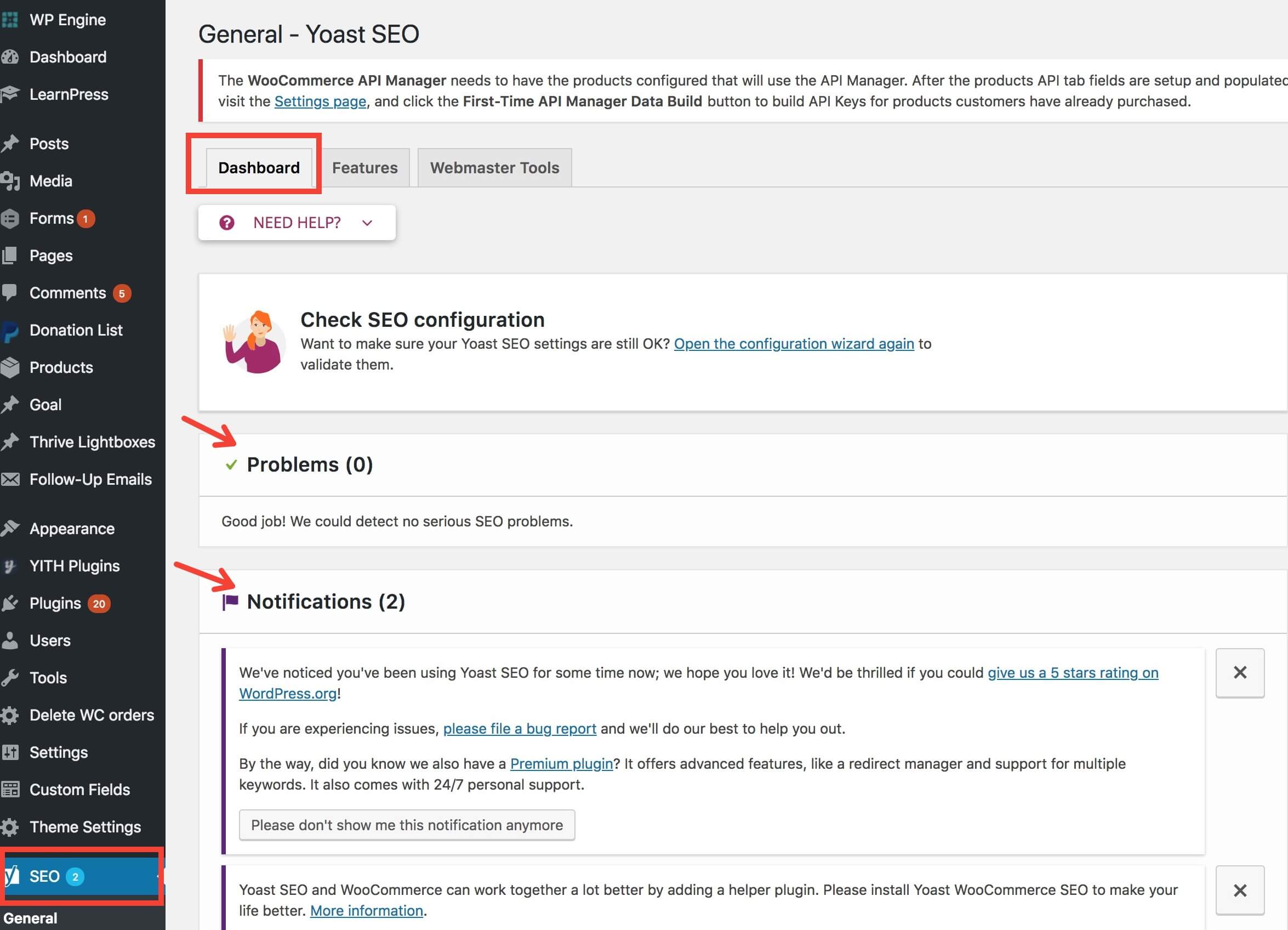
2.2 Site-Level Consistency: Streamline Search Appearance Templates by Aligning with Schema
The volume of content in 2026 is often substantial, making manual maintenance of titles and descriptions prone to drift. Yoast is better suited for setting rules upfront with "site-wide templates": default title structures, separators, homepage and organizational information, along with foundational schema-related details. This allows AI writing to focus solely on "the unique highlights of each piece," rather than rebuilding the framework from scratch every time.
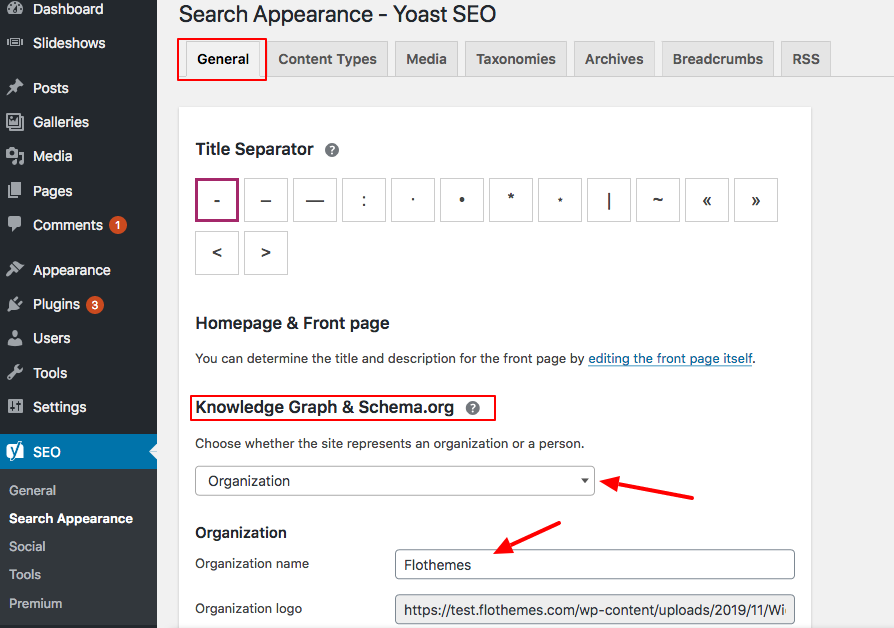
2.3 The "Template + Boundary" Combination: Which Content Types Should Be Open and Which Should Be Restricted
When a site contains articles, pages, category archives, and even product content simultaneously, the biggest SEO pitfall is applying a one-size-fits-all approach across the entire site. Yoast makes it easier to apply granular constraints at the content type level: which types are allowed to appear in search results, whether dates show in snippet previews, and whether specific meta boxes are enabled. This allows you to incorporate AI-generated high-frequency content into a unified publishing standard.
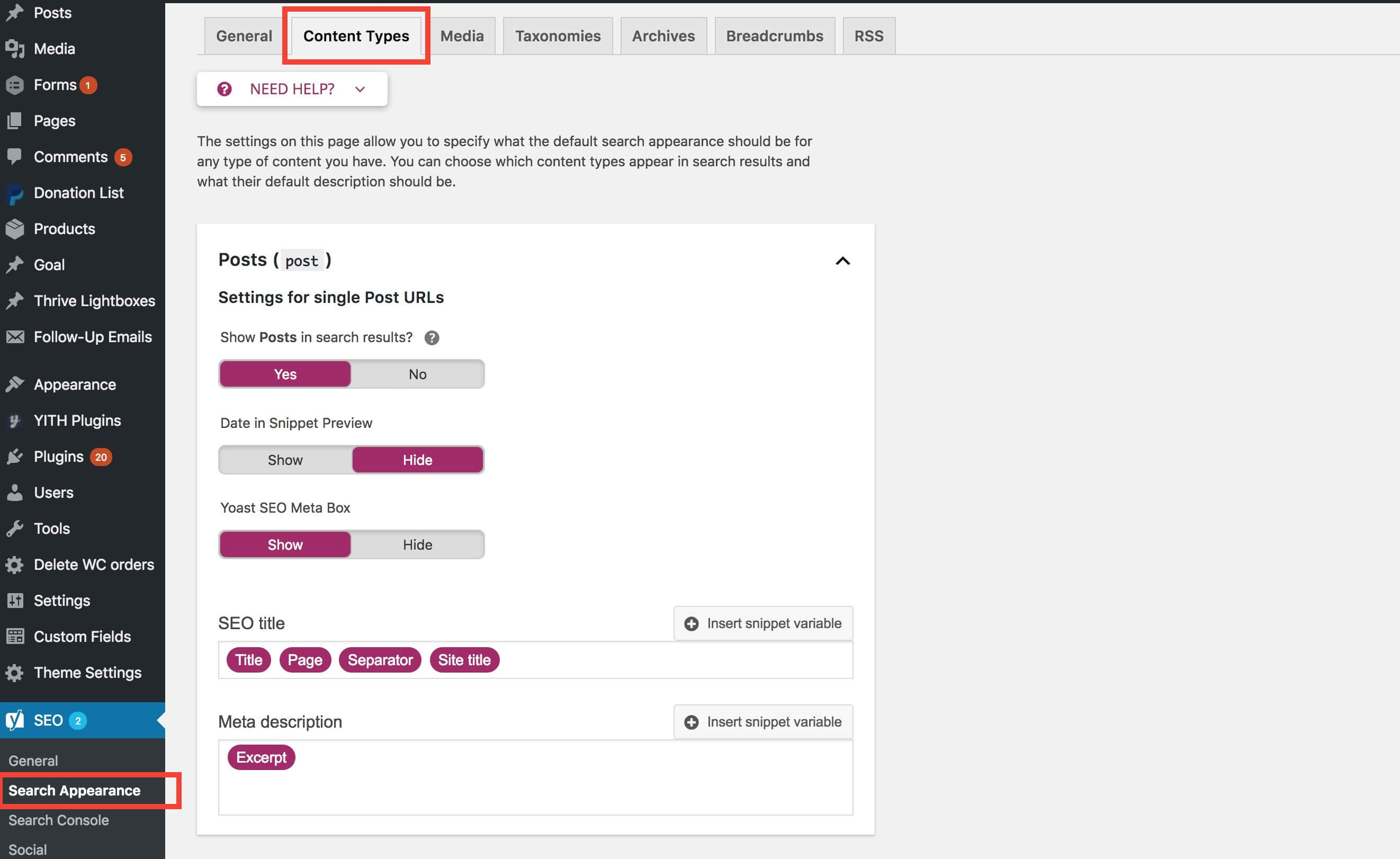
2.4 Submitting "Publish" for Verification: From Site Verification to Indexing Tracking
The faster AI writing becomes, the more crucial it is to link publishing actions with verification steps. Yoast's webmaster tool portal helps teams develop the habit: finishing a piece isn't the end—it's the start of "visibility management." If you prefer standardizing each step by following tutorials, you can easily cross-reference them.The Complete Guide to Installing and Configuring Yoast SEO PluginLock down the basic options first.
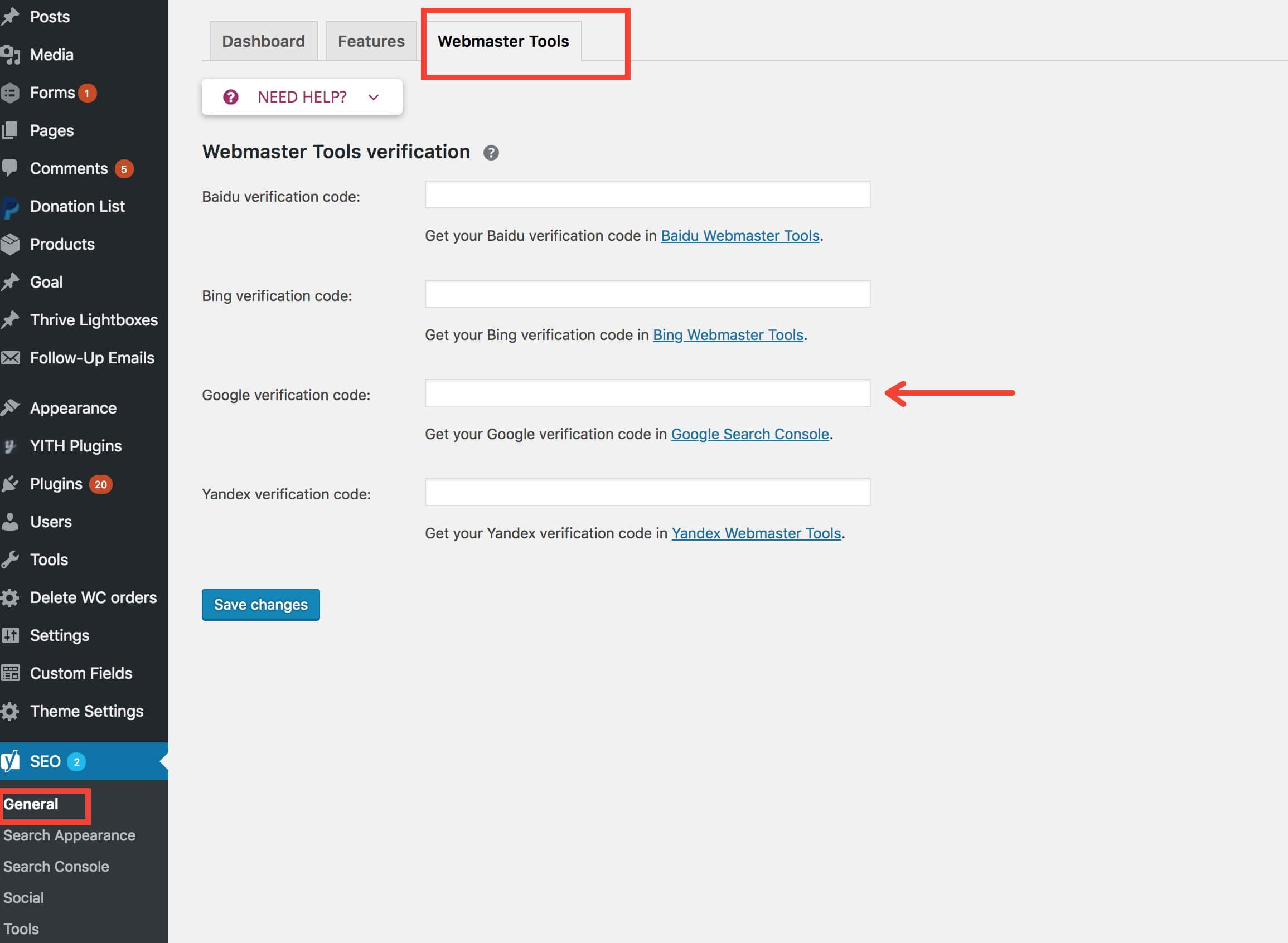
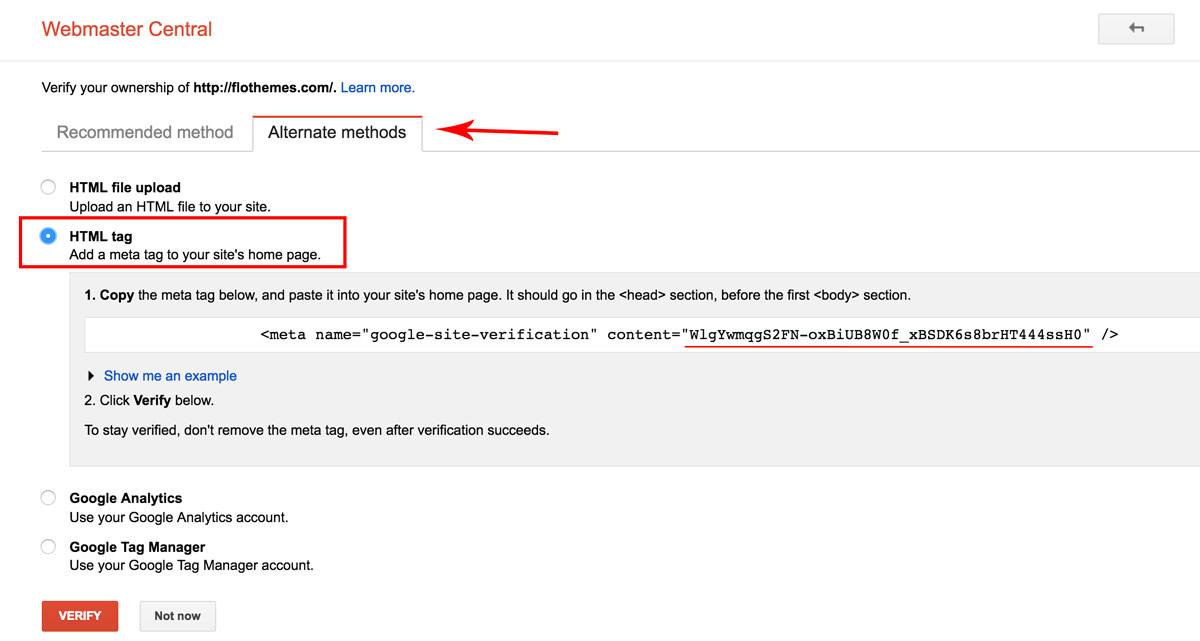
When explaining the verification process to new team members, it's crucial to clearly outline the step-by-step procedure: "Copy the HTML tag from the search platform, then paste and save it." This avoids team members figuring things out individually and potentially missing critical steps.
3. SEOPress's streamlined workflow: Fewer interruptions, better suited for "batch processing and automation"
3.1 The Value of Lightweight Design: Focus Attention on Content and Structure, Not Scoring
SEOPress functions more like a "low-friction toolkit": You can swiftly handle meta information, sitemaps, indexing configurations, and common technical tasks without being interrupted by frequent scoring prompts. For teams with established writing guidelines or centralized editorial oversight, this restraint aligns perfectly with the 2026 workflow: AI writing powers the front end, while SEO keeps the back end running smoothly.
3.2 Capturing AI Output with "Default Values + Batch Rules"
AI can amplify content output, but the greater the scale, the more "default rules" are needed to counteract fluctuations: standardized title templates, automatically generated sitemaps, and foundational settings across content types ensure new content isn't created individually each time. If you want to first validate core capabilities at low cost before gradually deepening optimization, you can start withSEOPress Free Edition: A Comprehensive GuideStart with this approach and first stabilize the site-level configuration.
3.3 AI Collaboration for 2026: Constrain Output with Checklists, Not Chasing the "Green Light"
Once a team can consistently produce semantically sound content, obsessing over rankings can lead to the side effect of "writing for algorithms": stuffing keywords into sentences, disrupting paragraph flow, and sacrificing click-worthy headlines to meet rules. SEOPress is better suited to a concise checklist that sets the baseline: Does the headline convey a unique angle? Does the above-the-fold section deliver a clear conclusion? Do internal links guide readers to the next step? Does the structured information genuinely match the main content?
4. Selection Recommendations: Prioritize implementation based on team type and content context, not on "who is stronger."
4.1 Do You Need a "Coach" or an "Assembly Line"?
If you're scaling AI writing to multi-author collaboration with varying skill levels, Yoast acts as a coach: using visual feedback to level up foundational quality. If you prioritize a clean backend, controllable rules, and stability through batch processing and automation, SEOPress functions like an assembly line: minimizing interruptions for content teams while ensuring technical elements remain consistent within default rules.
4.2 Tutorial and Knowledge Content: Structured Data Should Be "Marked Only After Content Is Present"
Tutorial content competition intensified in 2026, and structured data continues to boost visibility—provided the main text genuinely offers reusable steps and solutions. You can manually review AI-generated steps before using plugins to implement markup. When refining FAQ/how-to writing styles and checkpoints, refer to...Yoast SEO Structured Data TutorialEnsure that "page content" and "tags" correspond one-to-one, avoiding form over substance.
4.3 Minimum Viable 7-Step Closed Loop: Both Plugins Can Run Through
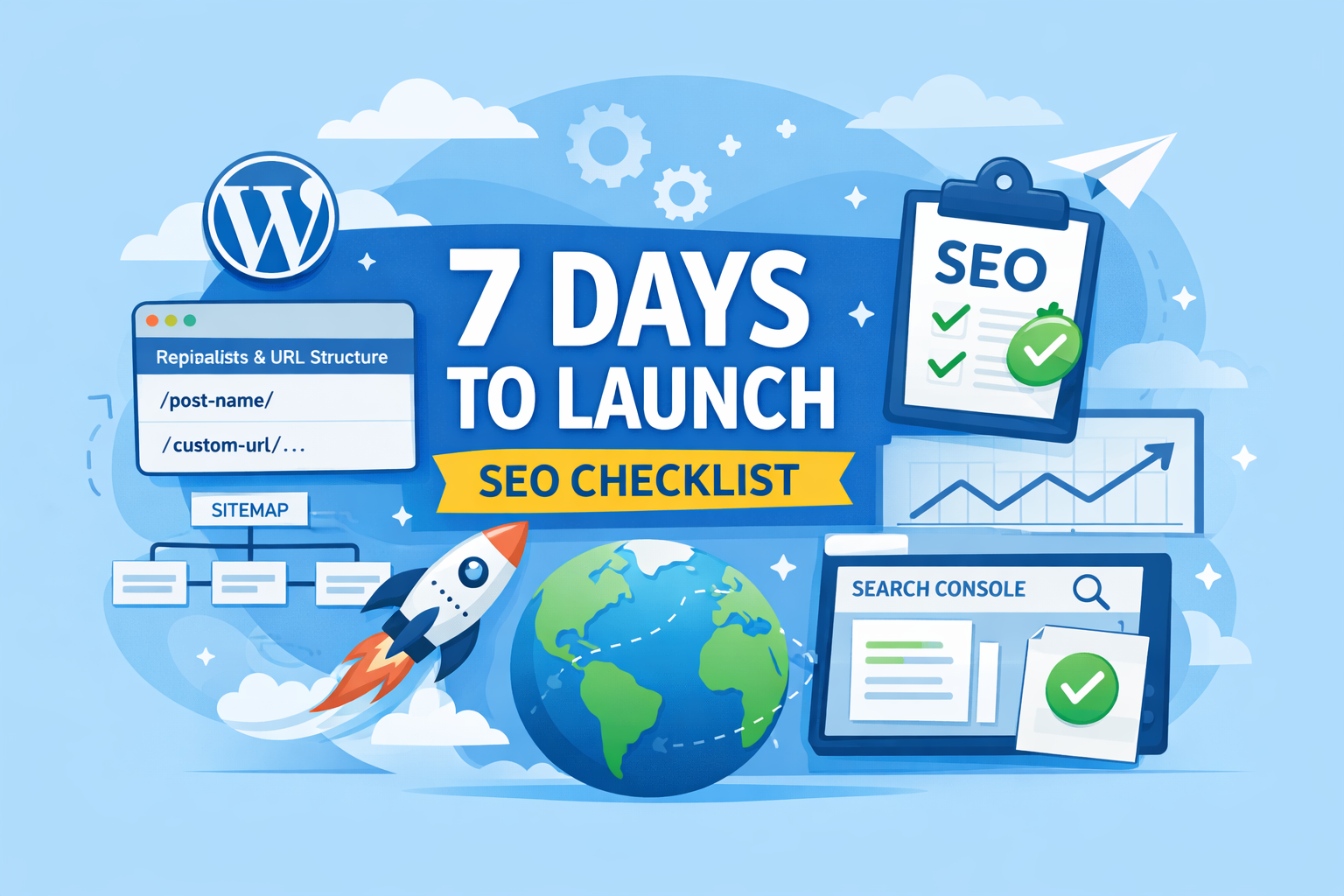
Step 1: Define the topic and search intent. Step 2: Use AI to generate an editable outline. Step 3: Manually supplement with case studies and differentiated conclusions. Step 4: Refine the title and summary while planning internal links. Step 5: Verify content type rules and indexing settings. Step 6: Generate and submit the sitemap. Step 7: Track performance post-publication and iterate. If you get stuck at Step 6, directly referenceYoast SEO Sitemap Setup and Submission TutorialChaining together "Generate-Submit-Verify" will yield results faster than simply staring at the score.
4.4 Final point: Use plugins to serve content, not content to serve plugins.
Yoast and SEOPress can both handle core SEO tasks by 2026. The difference lies in whether you want to drive your writing with "analytical insights" or maintain output with "lightweight rules." The real dividing line is whether you have a consistent topic strategy, update rhythm, and review mechanism. If you're still figuring out the overall plugin ecosystem and how different teams work together, you might also want to browse through...10 Most Popular SEO PluginsFor this type of checklist, first clearly define your requirements boundaries, then decide which workflow will run longer and more reliably.

Link to this article:https://www.361sale.com/en/84657The article is copyrighted and must be reproduced with attribution.
















![Emoji[wozuimei]-Photonflux.com | Professional WordPress repair service, worldwide, rapid response](https://www.361sale.com/wp-content/themes/zibll/img/smilies/wozuimei.gif)

![Emoticon[baoquan] - Photon Wave Network | Professional WordPress Repair Services, Worldwide Coverage, Rapid Response](https://www.361sale.com/wp-content/themes/zibll/img/smilies/baoquan.gif)


 简体中文
简体中文  English
  日本語
日本語  Français
  Español


No comments