





underway SEO When optimizing writing, the focus isn't on keyword stuffing, but on ensuring clear article structure and well-organized content, making it easy for readers to quickly find information. GenerateBlocks, as a powerful WordPress editing tool, helps us achieve this goal. By utilizing blocks and a modular writing approach, we not only enhance article readability but also make it easier for search engines to understand the article's theme and structure. This article will explain how to leverage GenerateBlocks Create an SEO-friendly content structure to help you write articles that both captivate readers and boost your rankings.
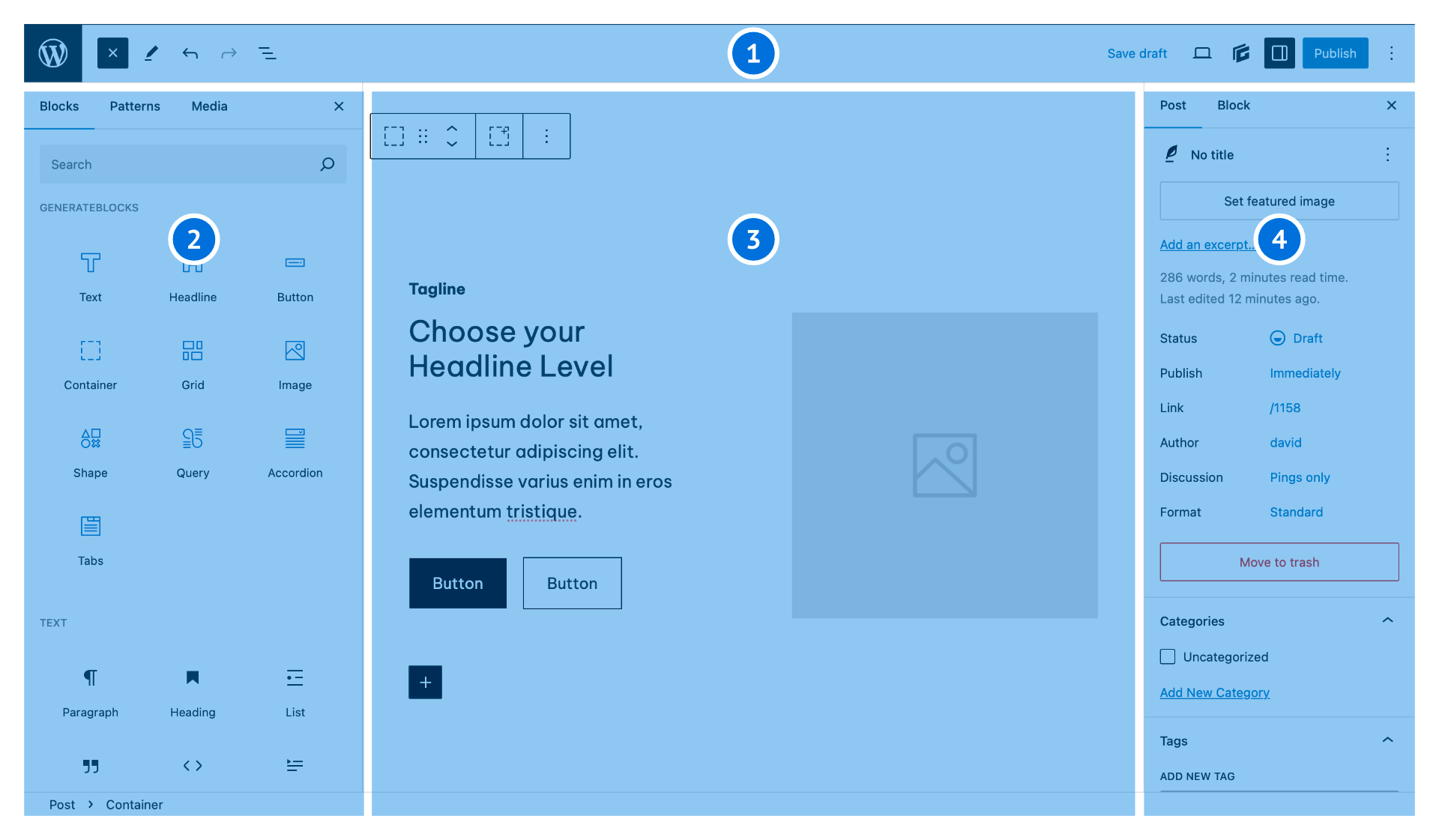
![Image[1] - GenerateBlocks Practical Guide: Crafting Stronger SEO Content Structure](https://www.361sale.com/wp-content/uploads/2025/12/20251219184515609-image.png)
1. Using GenerateBlocks to Create More SEO-Friendly Content Structure From Outline to Block: Practical Writing Techniques
To make articles more SEO-friendly, the most effective approach isn't keyword stuffing, but writing information that's clearer, easier to scan, and more easily understood by search engines. GenerateBlocks excels by breaking articles into stable modules using cleaner block structures. Readers find answers faster, while search engines more readily identify topic hierarchies and paragraph relationships.
This article explains two key points based on the actual writing process: First, what kind of content structure better aligns with search intent. Second, in GenerateBlocks Which blocks and settings should be used to implement the structure?
2. First pinpoint the search intent, then determine the article's structure.
When readers search for and enter an article, they're not there to admire the layout—they're looking for answers. Before you start formatting, first write down the core problem this article aims to solve in one sentence. For example, the core problem addressed in this article is: How to use GenerateBlocks to write articles with clear structure, highlighted key points, and easy skimability—thereby improving indexing and ranking.
A practical framework can cover most search scenarios:
- Start with the conclusion—tell readers what you can solve.
- The middle section unfolds step by step, with each chapter addressing only one issue.
- Include a checklist at the end so readers can self-check and make immediate corrections.
The advantage of this approach is that readers can determine the article's usefulness at a glance on the first screen, leading to longer dwell times and lower bounce rates. For content-driven websites, this forms the foundation for long-term stability.
3. Build a Content Map Using Heading Hierarchy Make it understandable for search engines.
Headings serve as the navigation for your content. Disorganized headings make even extensive content appear like a jumbled pile of materials. Clear headings allow readers to quickly locate information, even with concise content. GenerateBlocks' Headline block enables precise control over heading elements and styling, but more importantly, proper writing techniques and hierarchical rules must be followed.
The recommended hierarchical rules are straightforward:
- The main headline appears only once. State the theme clearly in one sentence.
- Each subheading answers a major question.
- Each subheading addresses one step, one key point, or one common pitfall.
![Image[2] - GenerateBlocks Practical Guide: Crafting Stronger SEO Content Structure](https://www.361sale.com/wp-content/uploads/2025/12/20251219185336543-image.png)
3.1 Keep titles short, but make them instantly understandable.
Avoid making titles longer just to include keywords. Shorter titles are easier to scan. Prioritize action-oriented and result-oriented phrasing, such as: How to set up How to optimize What scenarios it applies to How to fix common mistakes Readers can quickly scan to see if this section has the answers they need.
3.2 Highlight Key Sentences to Help Readers Quickly Grasp the Main Points
Many search users only read a few sentences carefully. You should make conclusion sentences, definition sentences, and step-by-step sentences more prominent. The Highlight feature in the Headline block is suitable for emphasizing a short key passage to highlight conclusions or important notes, but avoid highlighting entire paragraphs as it reduces readability.
![Image[3] - GenerateBlocks Practical Guide: Crafting Stronger SEO Content Structure](https://www.361sale.com/wp-content/uploads/2025/12/20251219185326521-image.png)
4. Use containers to structure articles into modules for greater stability.
Many articles rank poorly not because of insufficient content, but due to loose structure. Paragraphs vary wildly in length, key points lack emphasis, and readers must jump around to find answers. When writing with GenerateBlocks, treat the content under each subheading as a separate module. Container Wrap the text and maintain consistent spacing and formatting order.
The most recommended order for a module is:
- One-sentence conclusion: Give the answer first.
- Explain in two to three sentences why this is done.
- List of steps Enables readers to follow along
- Boundary Notes Who It's For Who It's Not For
Modular writing has another advantage: when you write similar articles in the future, you can directly copy the module structure, which is highly efficient and ensures a more consistent style.
![Image[4] - GenerateBlocks Practical Guide: Crafting Stronger SEO Content Structure](https://www.361sale.com/wp-content/uploads/2025/12/20251219185318744-image.png)
5. Use Grid to create step cards and comparison cards, making information easier to scan.
Users particularly love two types of content: actionable steps and comparisons that are easy to grasp at a glance.Grid Organizing information into card formats significantly enhances readability. You can use Grid to create three-step cards, pros-and-cons comparison cards, and checklist cards, enabling readers to grasp key points at a glance.
Common card structures can be written as follows:
- Three-Step Method Prepare Execute Check
- Comparison Method Option A Option B Target Audience
- Checklist Method Must Do Optional Avoid Doing
5.1 Ensure comparable data in comparisons; otherwise, readers will be confused.
When writing comparisons, the biggest pitfall is having each column address different dimensions. You should standardize the dimensions—for example, consistently covering who it's suitable for, what the advantages are, what the disadvantages are, and where it's recommended for use. Consistent dimensions allow readers to make judgments faster and make the article's value clearer.
6. Use anchor points and semantic tags to make long-form content more like a navigable answer.
When articles are lengthy, readers often prefer to jump directly to the answers they seek. Both GenerateBlocks and the block editor support setting anchors. You can add HTML anchors to key sections, then create a table of contents at the beginning or insert jump buttons throughout the text to guide readers straight to the paragraphs that interest them most.
Suitable locations for setting anchor points:
- Core Steps Chapter
- Common Errors and Troubleshooting
- Summary of Conclusions and Checklist
![Image[5] - GenerateBlocks Practical Guide: Crafting Stronger SEO Content Structure](https://www.361sale.com/wp-content/uploads/2025/12/20251219185154310-image.png)
Additionally, semantic tags are crucial. For instance, using `section` for chapter containers and `article` for main content makes the structure clearer. GenerateBlocks supports changing tag types for specific blocks, which greatly aids in the long-term maintenance of structured content.
![Image[6] - GenerateBlocks Practical Guide: Crafting Stronger SEO Content Structure](https://www.361sale.com/wp-content/uploads/2025/12/20251219185248840-image.png)
7 Clear structure alone isn't enough—the page experience must also pass muster.
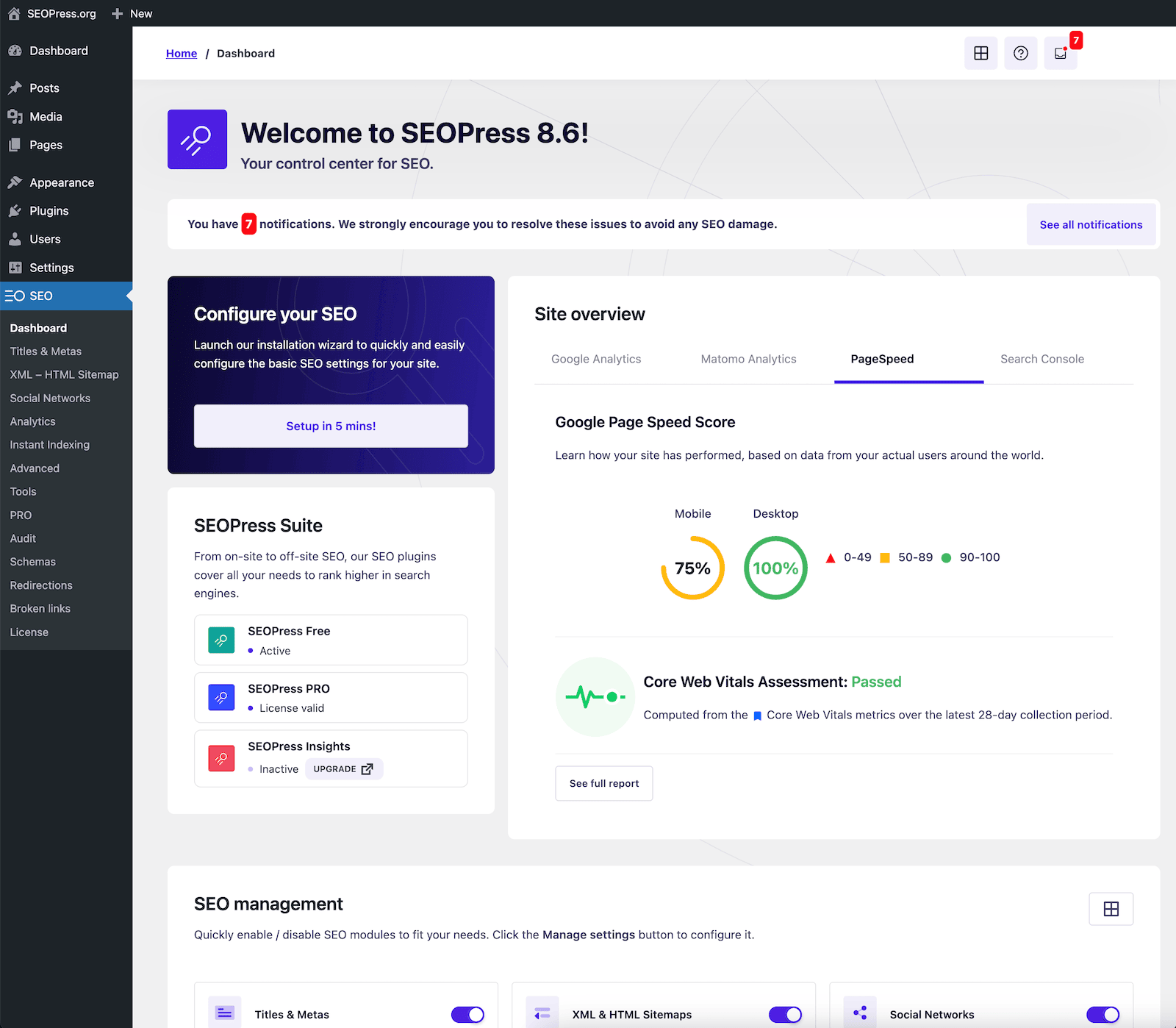
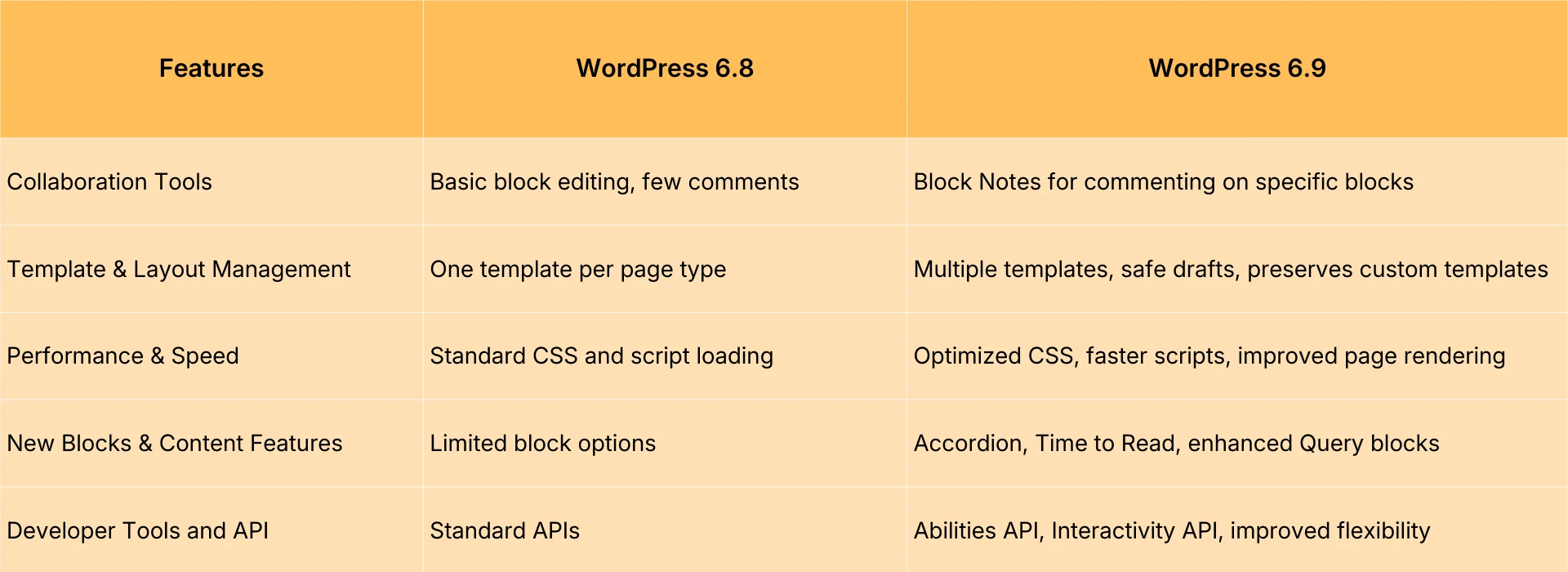
SEO isn't just about content; it's also about user experience. You can use Core Web Vitals As the minimum standard to constrain page experience goals. For content pages, the most common pitfalls are oversized images, deeply nested blocks, and excessively long mobile content that makes reading difficult.
When structuring your writing, it's recommended to do three things simultaneously:
- Compress images before uploading and choose appropriate dimensions to prevent a single image from slowing down the entire page.
- Modules should be sufficient as-is. Avoid endlessly nesting containers just for layout purposes.
- Mobile-first approach Hide or shorten unnecessary modules on smaller screens
![Image[7] - GenerateBlocks Practical Guide: Crafting Stronger SEO Content Structure](https://www.361sale.com/wp-content/uploads/2025/12/20251219185124575-image.png)
8. Pre-Release Five-Minute Checklist
Finally, wrap up with a checklist that readers can immediately use for self-assessment. This type of conclusion is highly search-engine-friendly and more likely to be bookmarked and shared.
8.1 Headings and Hierarchy
- Is there only one main title, and does it summarize the entire text?
- Does the subheading address the reader's most pressing concerns?
- Does the Level 3 heading describe steps and details rather than repeating the title?
8.2 Modules and Sweep Reading
- Does each module begin with a concluding sentence?
- Should steps be presented as a list? Avoid large blocks of text.
- Whether the comparison content uses cards or tables to make it easy to understand at a glance
8.3 Images and Captions
- Does each image correspond to an accompanying explanation? Are the images consistent with the text?
- Does the image alt text describe the information in the image rather than just stacking words?
- Do images help readers understand the operation more quickly, rather than serving as decoration?
8.4 Links and Next Steps
- Does it provide clear guidance on the next steps, such as referring to advanced tutorials or troubleshooting guides?
- Internal links should extend along the same thematic chain to avoid irrelevant redirects.
You'll find that when heading levels are clear, module structures are stable, key content is presented in card format, and images correspond directly to text, articles naturally resemble searchable answer pages—exactly the content format search users want.

Link to this article:https://www.361sale.com/en/83455The article is copyrighted and must be reproduced with attribution.













![Emoji[wozuimei]-Photonflux.com | Professional WordPress repair service, worldwide, rapid response](https://www.361sale.com/wp-content/themes/zibll/img/smilies/wozuimei.gif)

![Emoticon[baoquan] - Photon Wave Network | Professional WordPress Repair Services, Worldwide Coverage, Rapid Response](https://www.361sale.com/wp-content/themes/zibll/img/smilies/baoquan.gif)


 简体中文
简体中文  English
  日本語
日本語  Français
  Español


No comments